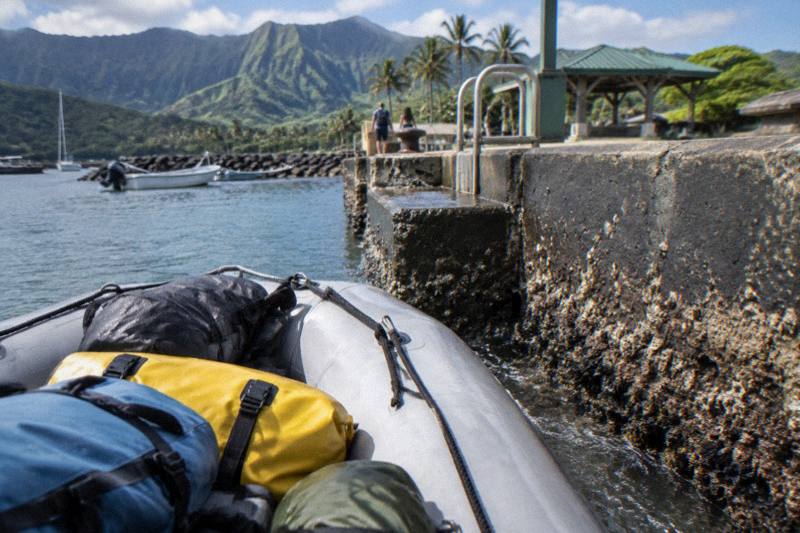
Will I Get Seasick On A Na Pali Boat Tour?
Motion, sea state and practical steps for Na Pali boat tours: catamaran versus raft, season by season seasickness odds, and what actually helps.
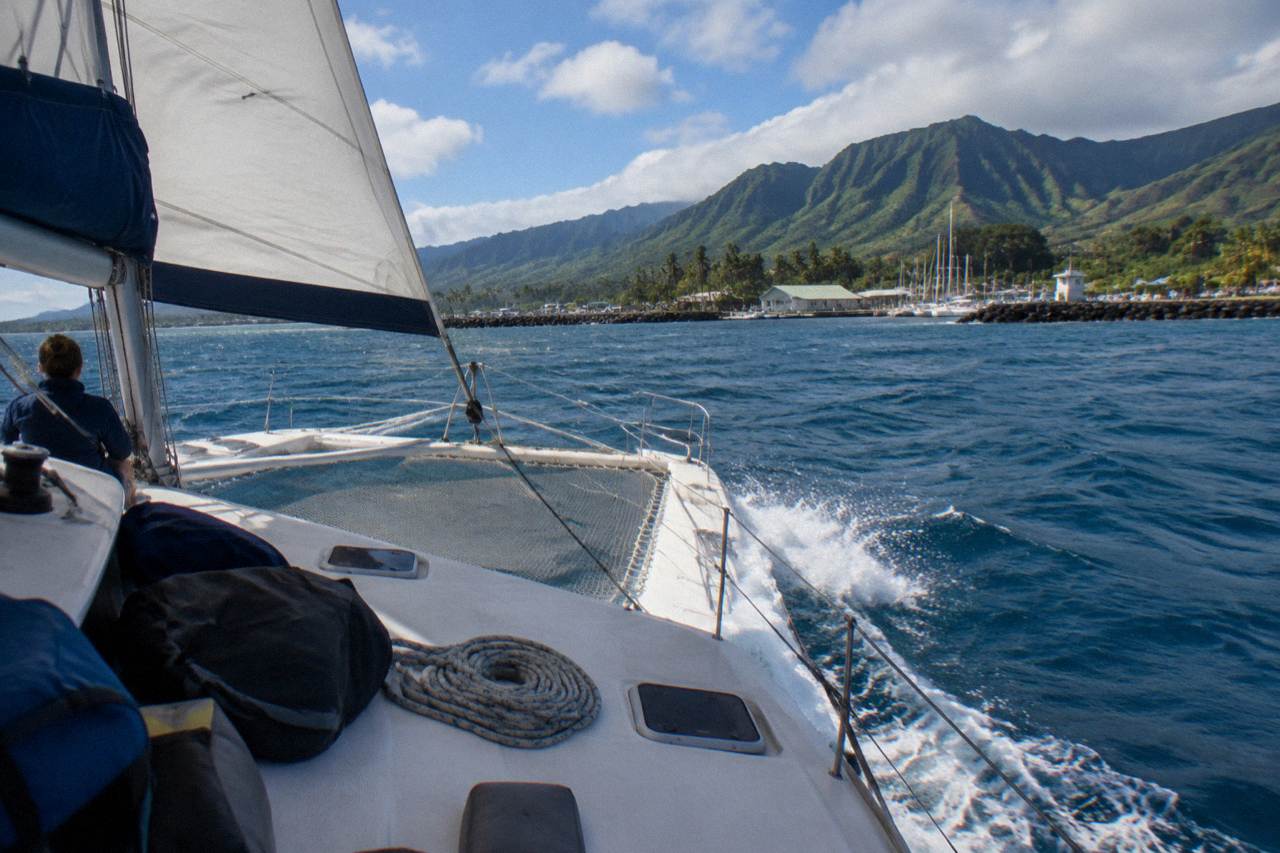
Will I Get Seasick On A Na Pali Boat Tour?
Statistically, most guests complete a Na Pali coast trip without incident, and the strongest predictors are vessel size, season and where you sit rather than luck. Rough-water risk peaks with winter north swells from October through April, and small rigid-hull rafts move far more than catamarans in the same sea. Summer months, midsize catamarans and a low, central, outdoor seat cut the odds dramatically, and simple habits do the rest.
The Na Pali coast sits on Kauai's northwest shore, fully exposed to open Pacific swell, so the honest answer is that the sea decides a lot. A calm July morning can be nearly glass; a January afternoon with a long-period northwest swell can put spray over the bow of a 24-foot raft. Operators cancel or reroute in genuinely rough conditions, so a trip that departs is a trip the captain judged safe, but "safe" and "comfortable for a sensitive stomach" are not identical. This guide walks through vessel motion, seasonal sea state and the practical steps that matter, so you can pick a trip that fits your body instead of gambling on it.
Three formats dominate the coast. Large sailing catamarans carry 40 to 60-plus passengers on 55 to 65 foot hulls that roll slowly. Power catamarans sit in the middle, faster but wide and stable. Rigid-hull inflatable rafts, the Zodiac-style boats, are small, fast and close to the water, which is exactly why they are thrilling in summer and punishing in a swell. Motion matters more than any other single factor in whether you get sick, and motion is something you can choose.
How Rough Is The Na Pali Coast, Really?
The Na Pali Coast can be genuinely rough, but the roughness is not random: the coast itself generates no waves, and what you feel is open-ocean swell arriving from the north and northwest. Because that swell follows a seasonal pattern, the conditions you will face are something you can plan around rather than a lottery. From roughly May through September the north shore sits in its calm window, with seas often in the one to three foot range, and that is when rafts and sea cave runs shine. From October through April, large northwest swells return, trips cancel more often, and the ones that do run ride bigger, longer-period motion that separates the sensitive from the settled.
The distinction that matters is sea state versus swell period. A three-foot sea at six seconds feels busy and choppy. A six-foot swell at sixteen seconds feels like a slow elevator, and many passengers tolerate it fine. Crews read both numbers every morning, and a good operator will tell you honestly on check-in what the day looks like. If the morning of your trip has a small-craft advisory or a brown, stormy harbor, ask before you board rather than after.
Kauai's position matters too. Boats depart mainly from Port Allen on the southwest side, motor west, then turn north up the coast, so the exposed run is only part of the trip. The first and last 20 minutes are typically in the lee of the west side. Passengers who feel fine in the calm stretch and rough up along the coast itself are describing exactly this geography, which is also why the return leg, often downwind, feels easier than the way out.
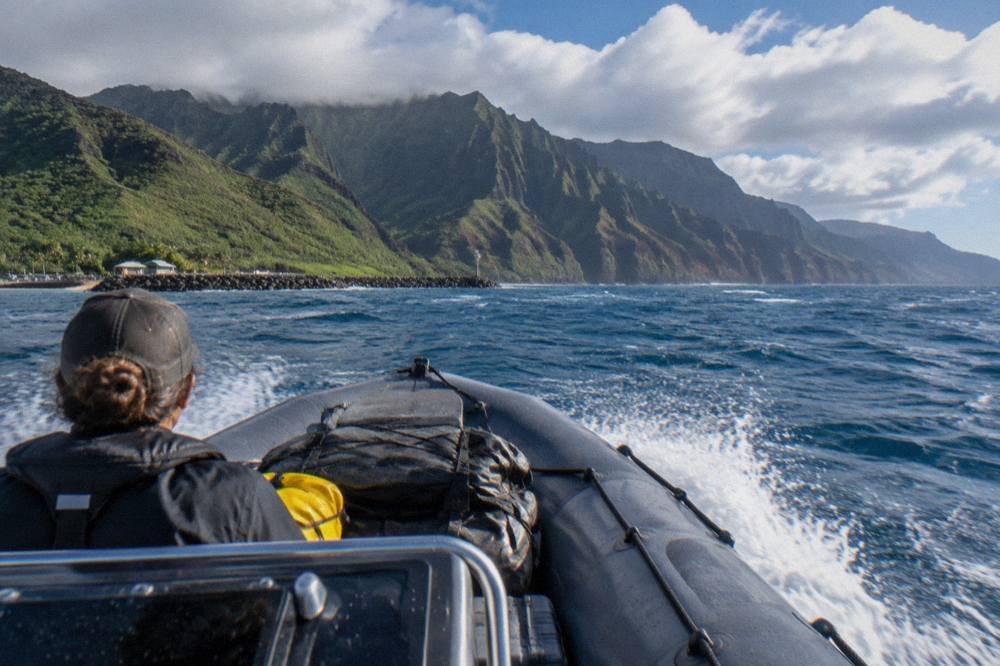
Rain and runoff play a secondary role. After heavy rain the water along the coast can turn brown and murky, which affects snorkel visibility more than motion, but standing chop after a front passes can linger for a day or two. If you are booking well in advance and your stomach is the deciding factor, the summer window is the statistically safer bet, full stop.
Catamaran Or Raft: Which One Moves More?
The raft moves more. In identical conditions, a rigid-hull raft delivers several times the vertical motion of a large catamaran, because it is smaller, lighter, and faster, and it sits low against the wave face rather than spanning the wave the way a catamaran does. If seasickness is your main worry, a large catamaran is the default answer, and a raft is the choice for adventure and sea caves when the summer sea is flat, accepted with open eyes the rest of the year.
The physics is simple. A 65-foot catamaran's twin hulls bridge the gap between wave crests, so a four-foot chop becomes a gentle rise and fall. A 24-foot raft fits inside a single wave, so the same chop lifts the bow, drops it, and slaps the next one. Rafts also travel fast, and speed plus chop equals repeated impacts; this is fun for an hour and draining for five. Catamarans motor or sail at a steadier pace and give you room to walk around, which itself suppresses nausea.
The middle option deserves more attention than it gets. Power catamarans like the Na Pali Experience trip, 4.9 from 819 reviews and about four and a half hours from $274.93 per person, pair catamaran stability with more speed and a smaller passenger count than the big sailboats. Many motion-sensitive guests land here happily: steadier than a raft, livelier and less crowded than a 60-passenger sailing cat.
Vessel choice also changes what the crew can do for you. On a catamaran with benches, nets and a walk-around deck, you can migrate to the stern when the bow starts pitching. On a raft you are strapped to a saddle or bench with a hand line, and your seat is assigned at the dock. Motion-sensitive raft riders should ask for the stern-most seat at check-in; the bow takes the hardest hits.
For a concrete catamaran comparison, read the companion piece on Na Pali catamaran versus raft, which works through the trade-offs in detail.
Which Seats And Behaviors Actually Help?
The seats and habits that help most are simple: pick a spot that is low, central and outside, and face forward while you ride. Then keep your eyes on the stable horizon rather than on the boat, and stay away from reading, phones and the diesel-and-bait smell near the engines. Those five habits prevent more seasickness than any product sold for it, and every one of them is free. The stern-center position, outdoors, is the single best seat on nearly every vessel running this coast, and claiming it at check-in costs you nothing but one polite sentence.**
Why they work: motion sickness is a sensory conflict between what your inner ear feels and what your eyes see. Fixing your gaze on the horizon gives the brain a stable reference that matches the motion, while a phone screen six inches from your face reports a steady world the body knows is lying. Fresh air does the rest; enclosed cabins are where sensitive passengers go to suffer. If the boat has a trampoline net at the bow, treat it as a fair-weather seat only, lovely in flat seas and a bouncing trap in a swell.
Eat before you board, but eat plain. A normal, non-greasy breakfast two to three hours ahead beats both an empty stomach and a heavy one. Go easy on alcohol the night before, hydrate plainly, and skip the big plate of loco moco. Once underway, stay active on deck rather than sitting rigid with dread; helming your own attention toward the cliffs, dolphins and waterline keeps the conflict manageable. Sleeping or lying down in a cabin is the classic first slide into sickness, so postpone the nap until the harbor.
Timing helps too. Morning departures usually ride lighter thermal winds and calmer inshore water before the afternoon breeze fills in, a pattern covered in the write-up on morning versus afternoon Na Pali tours. If your calendar allows it, book the first departure of the day.
Should You Take Anything For It, And When?
Standard over-the-counter motion sickness remedies work for many people, but they must be taken before departure, typically 30 to 60 minutes, because once nausea starts, swallowing pills rarely rescues the day; for product choice and interactions, talk to a pharmacist or your own clinician. Ginger chews, acupressure wristbands and plain crackers are low-risk extras many crews keep on board.**
This article will not play pharmacist, and neither should a tour review site. What reporting can say is how the mechanics work: antihistamine-based tablets cause drowsiness for many users, non-drowsy formulations exist, and scopolamine-type patches require a prescription and longer lead time. A pharmacist can match that landscape to your medications and trip length in two minutes, which is genuinely the highest-value conversation available. Do it at home, not at the marina.
The timing point deserves repeating because it sinks more trips than the wrong product. Remedies work preventively, on the dock or with breakfast. The passenger who waits until the boat clears the point is gambling, and the house usually wins. If you know you are susceptible, dose on schedule and keep a backup in a pocket, not in a bag under a pile of towels. If your stomach survives the Na Pali run, the longer crossing to the closed island is a bigger test, and what actually happens when you try to visit Niihau explains how those trips work.
Practical roster notes for the sensitive: shorter trips simply expose you to less motion. The Express Snorkel Power Catamaran aboard Imiloa runs about four and a half hours, 4.7 from 346 reviews, from $211.99 per person, trimming the classic five-hour format down while keeping the catamaran hull. The shorter the exposure, the smaller the dose of swell, which is a blunt but real strategy.
Do Children And Seniors Get Sick More Often?
Children between roughly two and twelve are the most seasickness-prone group on the water, while healthy seniors are generally no more susceptible than other adults, so the planning question in a mixed group is really about the kids in your party. For families, the formula is the same as for adults, plus a lower ceiling on how long anyone should be out there, which favors shorter trips on larger vessels.**
With kids, keep meals plain, seats outside, and attention busy; a child watching for dolphins from the rail rarely comes undone as fast as one staring at a tablet below deck. Talk to a pharmacist about any remedy dosing for children specifically, since adult tablets are not one-size-fits-all. Kauai has family-friendly formats across the roster, and the round-up of Kauai tours with kids ranks boat options by age fit.
For older passengers, the bigger constraints are boarding steps, bathroom access and shade rather than motion itself, and catamarans with real stairways and seated cabins handle all three better than rafts, which involve a scramble over tubes. If your group spans three generations, a large catamaran day tour is the format almost every operator would quietly recommend.
What Happens If Someone Does Get Sick Mid-Trip?
Crews on Na Pali boats handle seasick passengers weekly, the standard advice is to move the person low, aft and into fresh air facing the horizon, and boats do not turn around for it, so prevention is genuinely the whole game. The sick passenger usually recovers within an hour of returning to the harbor, and almost always feels fine the same evening.**
There is no shame in it, and no rescue either: these are four to eight hour commitments once the lines are cast. Tell the crew early, at the first woozy feeling, not at the rail-hugging stage, because early is when their tricks, water, crackers, a seat change, a job to focus on, still work. If you know you are prone, say so at check-in and the crew will often seat you aft before the boat is even loaded.
It is also worth knowing what rough seas mean for the schedule itself. Operators hold trips when conditions exceed their comfort range, and a weather cancellation refunds or reschedules; that is the system working. The deeper comparison between committing to a boat and viewing the coast by air is laid out in Na Pali by boat or helicopter, which is worth a read if your group has one member whose stomach is already voting no.
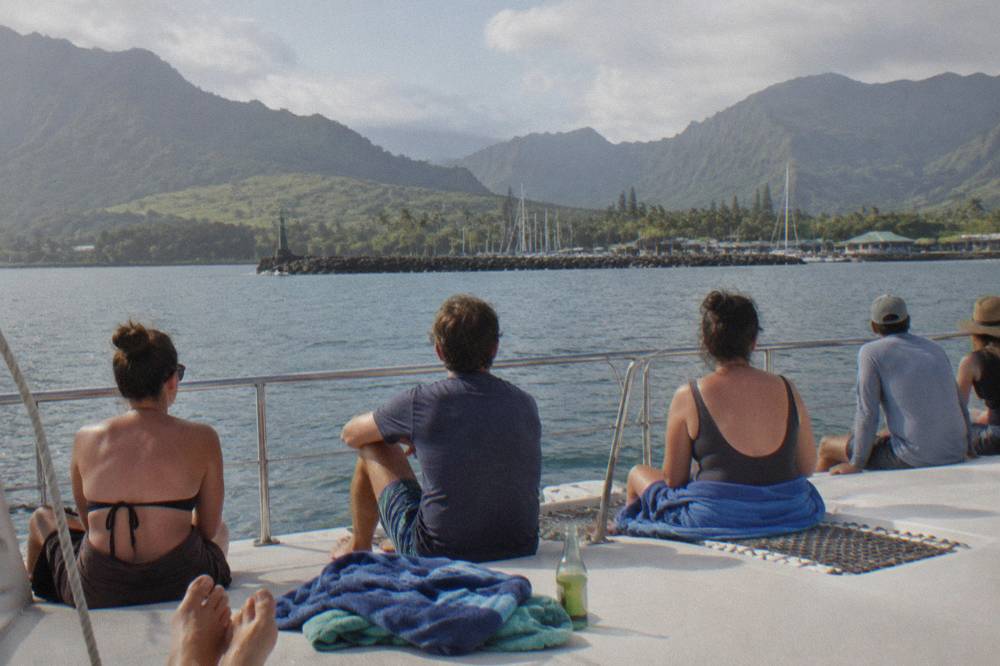
Is A Bigger Boat Always The Safer Bet?
A bigger hull almost always means less motion, but it is not the only lever: season, trip length and departure time can matter as much as vessel size, and a summer morning raft ride is often calmer than a winter afternoon on a catamaran. Size buys you a floor; timing buys you the whole room.**
Compare like with like using the roster. The Amelia K day boat with Makana Charters, about five hours, 4.9 from 2,052 reviews, from $227.13 per person, is a classic small-ship catamaran experience with a strong review pool behind it. The Lucky Lady Deluxe snorkel cruise, about five hours 30 minutes, 4.7 from 1,641 reviews, from $233.73 per person, pairs a similar size class with a hot lunch. The Na Pali Coast Super Raft Snorkel Adventure, about four and a half hours, 4.8 from 1,724 reviews, from $215 per person, is the pure adrenaline side: fast, wet, close to the water, and best booked inside the calm summer window. Since a wet raft ride and a dry catamaran deck call for very different gear, the Na Pali Coast boat tour clothing guide covers what to pack for each kind of boat.
| Trip (roster) | Format | Length | Rating (reviews) | From, per person | Motion profile |
|---|---|---|---|---|---|
| Amelia K Day Boat Tour | Small-ship catamaran | ~5 hours | 4.9 (2,052) | $227.13 | Moderate, steady |
| Lucky Lady Snorkel, Lunch Included | Snorkel catamaran | ~5 hours 30 minutes | 4.7 (1,641) | $233.73 | Moderate, steady |
| Express Snorkel Power Catamaran (Imiloa) | Power catamaran | ~4 hours 30 minutes | 4.7 (346) | $211.99 | Moderate, brisker |
| Na Pali Coast Super Raft Snorkel | Rigid inflatable raft | ~4 hours 30 minutes | 4.8 (1,724) | $215 | High, fast, wet |
| 3-Hour Sea Caves Zodiac Raft | Rigid inflatable raft | ~3 hours | 4.9 (155) | $235 | High but short |
Read the right-hand column as a planning range, not a promise: any hull can bounce on the wrong day, and any hull can be glass-flat on the right one. The pattern holds, though: catamarans trade excitement for gentleness, rafts trade gentleness for everything else.
Booking policy is the last piece of the bigger-boat question. Weather cancellations are a fact of Na Pali tourism and every operator here reschedules or refunds when the sea says no, so read the cancellation terms on the operator's live listing before you pay rather than after. Free-cancellation windows vary by trip, and knowing yours buys the freedom to rebook to a calmer morning.
Which Season Should A Nervous Passenger Book?
A nervous passenger should book May through September, the window when seasickness risk on this coast drops about as low as it gets. Layer on a morning departure and a catamaran hull, and that trio also lines up with the best snorkel visibility of the year, so smoother sailing and clearer water arrive together. Book winter only if whales are the point of the trip, accept the swell window that comes with it, and prefer the largest hull you can find. Those two sentences are, honestly, the entire decision.
NOAA's sanctuary places humpback whales in Hawaiian waters from November through April, so winter bookings buy whale odds at the price of sea state. Summer bookings buy calm water, clearer caves and smoother rides at the price of whales. Neither is wrong; it is a straight trade, and knowing it exists is most of the decision. The full seasonal breakdown lives in the Kauai whale watching season guide.
The seasonal picture in compact form:
| Window | Typical sea pattern | Best vessel fit | Trade-off |
|---|---|---|---|
| May to September | Calm north shore, seas often 1 to 3 feet | Any, including rafts and sea cave runs | No whales; peak crowds |
| October to April | Larger northwest swells, more cancellations | Large catamarans | Whales present, rougher rides |
| November to April | Whale season per NOAA sanctuary | Largest hull available | Same swell window as above |
Within any season, the first-departure logic stands. The Kauai weather by month guide shows the rainfall rhythm behind the sea pattern: Lihue's driest stretch is June and July, and the wettest is March, when runoff and swell both peak. A nervous passenger planning a once-only trip should aim for that dry shoulder, roughly June through August, and not overthink beyond it.
One more seasonal nuance the listings will not spell out: summer is peak season for the coast, so the calmest days are also the fullest boats. Book early for the summer window, because the trips that suit sensitive passengers, the steadier, midsize catamarans, sell out first on flat forecast days.
What Should You Wear And Bring To Reduce The Risk?
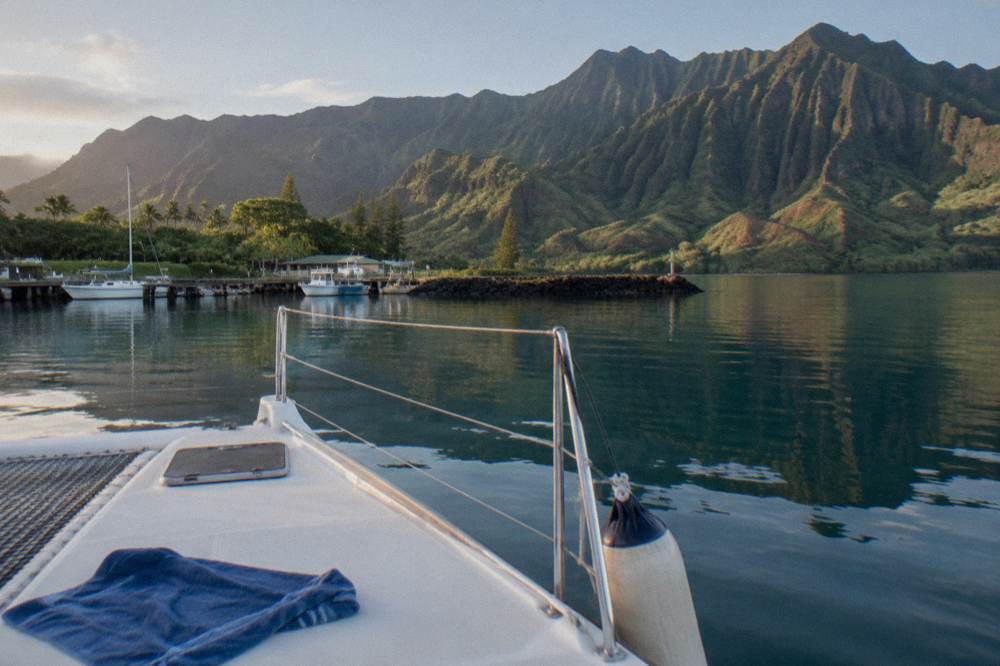
Dress in layers with a light rain shell, wear non-slip footwear you do not mind soaking, bring plain snacks, water and ginger chews, and pack everything in a dry bag, because cold, wet and clammy accelerates nausea while warm and dry slows it. Sea spray on a fast raft is a soaking, not a sprinkle, so plan for it before the dock, not at it.**
The full clothing logic, including what actually stays dry on each vessel type, is covered in what to wear on a Na Pali coast boat tour. The motion-relevant summary: morning departures start cool on open water even in summer, rafts hand you a wind chill at speed, and a shivering passenger is one step from a queasy one. A cheap poncho or shell weighs nothing and earns its keep on the return leg.
Skip anything that anchors your eyes downward for long stretches: books, crosswords, lengthy phone photography edits. Do the editing ashore. Sunglasses and a brimmed hat reduce glare strain, which is a smaller but real contributor to that woozy edge. And go easy on breakfast coffee if coffee usually moves your stomach; the boat will supply adrenaline for free.
Common Questions About Seasickness On A Na Pali Boat Tour
Will I Get Seasick On A Na Pali Boat Tour?
Most guests do not, but your odds depend on vessel, season and seat. Choose a catamaran over a raft, book May through September if your dates allow, take a morning departure, sit low and aft in fresh air, and take any remedy 30 to 60 minutes before boarding, not after symptoms start.
Is A Raft Worse For Seasickness Than A Catamaran?
Yes, in identical conditions. A small rigid inflatable raft fits inside each wave and moves with it sharply, while a catamaran spans waves and rolls slowly. Rafts are at their best in the calm summer window; in winter swells they are the hardest ride on the coast.
Does The Na Pali Coast Get Rough In Summer?
Generally no. From May through September the north shore sits in its calm season, with seas often in the one to three foot range. Afternoon breeze can raise a chop, which is one reason morning departures are the steadier choice in any month.
What Is The Best Seat On The Boat To Avoid Getting Sick?
Low, central, aft and outdoors, facing forward with your eyes on the horizon. Avoid enclosed cabins, the bow on smaller vessels, and any seat that puts you near engine fumes. On rafts, ask the crew for the stern-most saddle at check-in.
Should I Take Seasickness Medication Before A Na Pali Tour?
If you are prone to motion sickness, yes, taken 30 to 60 minutes before departure, since remedies work preventively rather than after nausea begins. For which product, dose and interactions, talk to a pharmacist or your clinician rather than taking dosing advice from a tour article.
Do Na Pali Tours Get Cancelled For Rough Seas?
Yes, and that is the system working. Operators hold trips when swell exceeds their comfort range, and weather cancellations typically reschedule or refund; check the operator's cancellation terms on their live listing when you book.
The pattern underneath every answer here is the same: you cannot control the Pacific, but you control the vessel, the month, the departure time and the seat, and those four choices are the difference between a story about dolphins and a story about a rail. Tours In Kauai Hawaii keeps the full roster of Na Pali boat trips, with prices and review counts from each listing, so you can match the hull to your stomach before you commit. Check the current DLNR park notices and the operator's schedule when you book, pick the summer window if you can, and take the pill on the dock.