Is It Better To Do A Na Pali Coast Boat Tour In The Morning Or Afternoon?
A plain-English comparison of morning, afternoon and sunset Na Pali boat departures: sea state, light, crowds, seasickness and which tour format suits each window.
Is It Better To Do A Na Pali Coast Boat Tour In The Morning Or Afternoon?
Morning is the better default for most travelers: the trades usually build through the day, so an early departure gives you the flattest water, the clearest snorkeling and the best odds against seasickness. Afternoon wins only when the sunset itself is the point, or when you want a later start. Nothing about wildlife is guaranteed at any hour.
That is the short version, and it holds up across operators. The long version is that "morning versus afternoon" on this coast is really a question about three different things: the wind, the light and what the tour is actually selling. A 7 a.m. raft expedition and a 4 p.m. sunset sail share a coastline and almost nothing else.
The Na Pali coast sits on Kauai's northwest shore, exposed to the trade winds that blow off the ocean most of the year. Those winds are typically light at dawn and strengthen through the afternoon, which is why nearly every operator schedules its snorkel-heavy trips early and its sunset trips late. You can see the pattern in the roster itself: the morning slots fill with snorkel boats like the Amelia K day boat tour, the 5-hour trip from Makana Charters that rates 4.9 from 2,052 reviews and starts at $227.13 per person, while the late-day slots belong to sightseeing sails and dinner cruises. That morning scramble makes more sense once you realize a Na Pali boat ride is the island's single most in-demand outing, and our guide to the number one thing to do in Kauai explains why it beats every helicopter or hiking alternative.
One caveat belongs at the top. Boat schedules on this coast are weather-dependent in every season, and operators can and do cancel or reschedule when swells or winds make the crossing unsafe. Book the window you want, but hold your plans loosely and confirm the operator's current schedule before you go. Checking the current state park and ocean conditions before you travel is wise as well.
Why Do Morning Na Pali Tours Get The Calmer Water?
Trade winds on Kauai typically start light around dawn and build through midday and the afternoon, so an early departure rides the flattest sea of the day. Calmer surface water also means better visibility for snorkeling, since wind chop stirs the surface and scatters the light. This is why nearly every snorkel-focused Na Pali trip departs in the morning. Once you've picked a morning departure, the bigger question is which island suits your trip best, and our straightforward Oahu versus Kauai comparison covers beaches, hiking, costs, and family travel on both.
The mechanics are simple. Overnight, the land and the ocean cool to similar temperatures and the convective engine that drives the trades is weak. After sunrise, the island heats up faster than the water, air rises over the interior, and cool ocean air rushes in to replace it. By early afternoon that flow can be blowing hard enough to put whitecaps on the open channel. The same process runs in reverse toward evening, which is part of why sunset sails are comfortable even though they leave late.
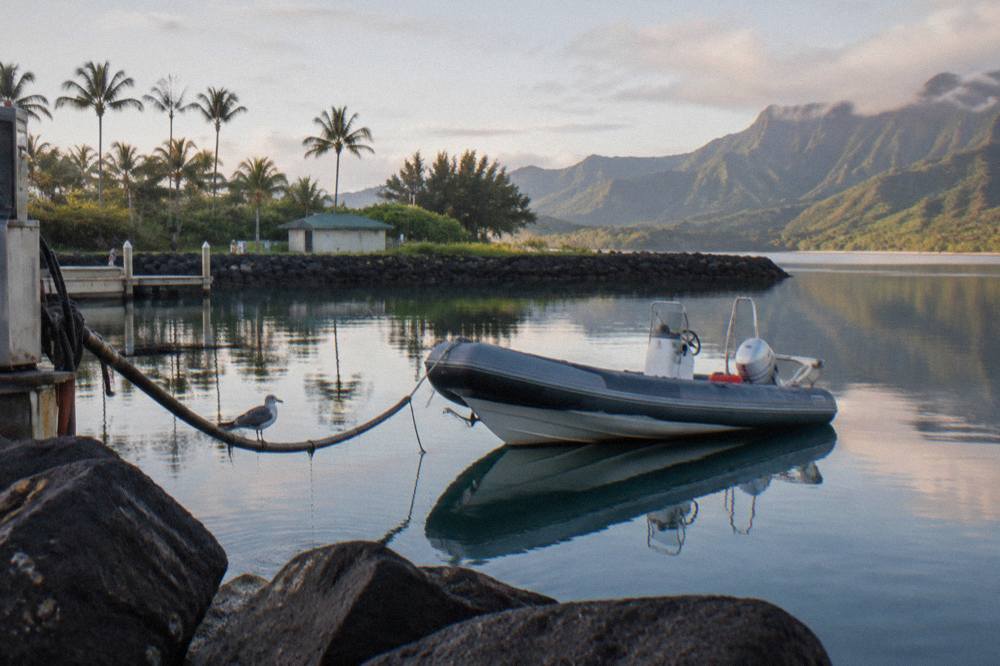
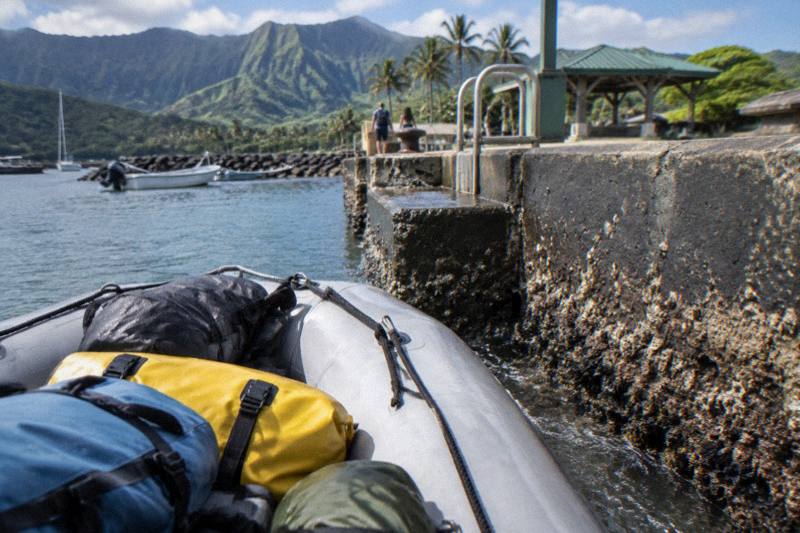
For snorkelers this matters more than for sightseers. Clear, calm water at the reef is the difference between watching turtles and fish and staring at a milky-green blur. The morning-focused trips on this coast are built around exactly that window: the Amelia K tour, the 5-hour snorkel runs from Kauai Sea Tours aboard Lucky Lady or Imiloa, and the zodiac raft expeditions from Na Pali Riders all leave early for the same reason. The express snorkel power catamaran trip aboard Imiloa, 4.7 from 346 reviews and from $211.99 per person, is a good example of a compact morning format for people who do not want a six-hour day on the water.
The counter-argument to morning is purely logistical: it means an early wake-up, often a 45-minute drive to the west-side harbor at Port Allen from the south shore, longer from the north shore or east side. If your vacation rhythm does not include a 5:30 a.m. alarm, an afternoon trip you actually show up for beats a morning trip you sleep through.
What Do Afternoon Na Pali Tours Do Better?
Afternoon trips offer a later start, warmer air, light that hits the cliffs at a dramatic angle, and in whale season more time for the day's whale activity to develop near the boats. The trade-off is a bumpier ride: by early afternoon the trades have usually built, so expect wind chop and a wetter crossing on smaller vessels. Afternoon snorkel visibility is often poorer too.
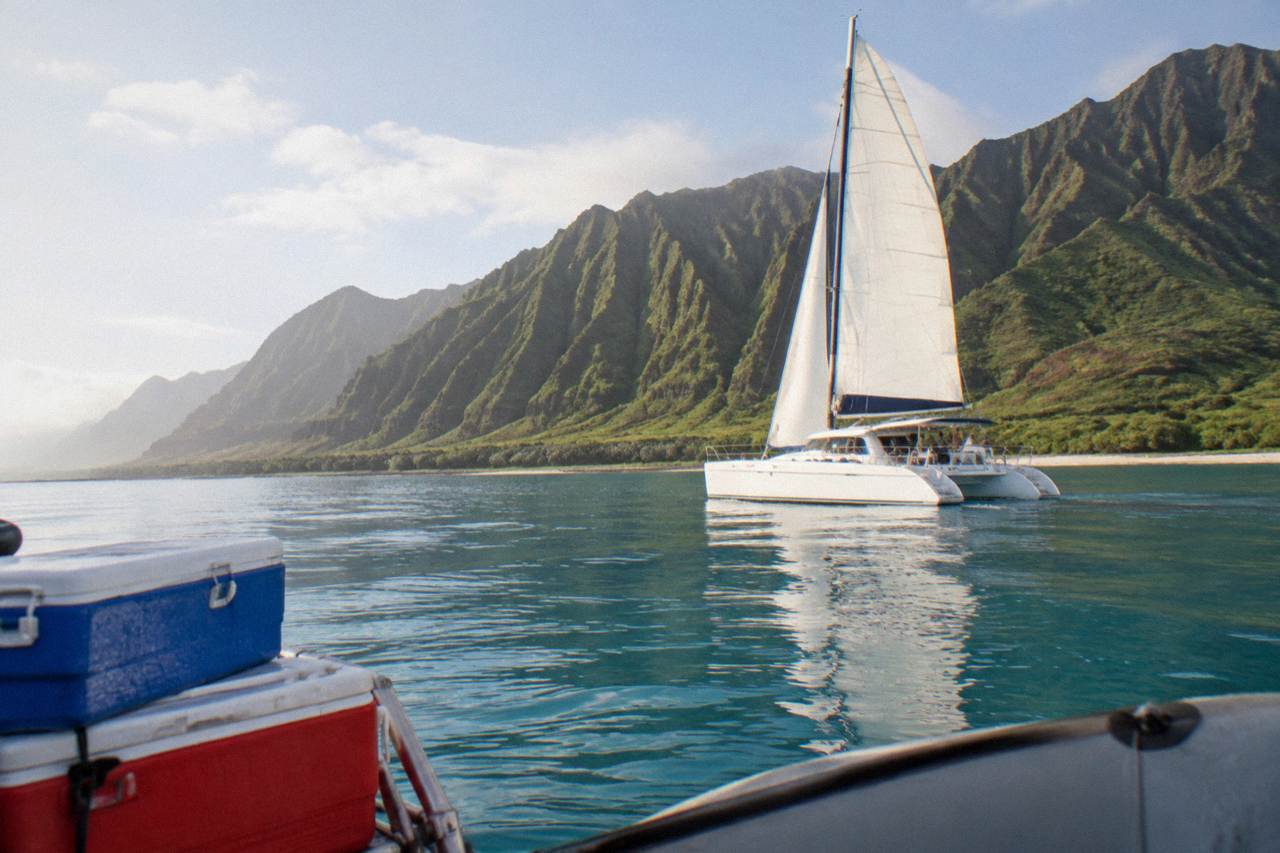
Light is the real product of an afternoon departure. The Na Pali cliffs run roughly north to south along the northwest shore, and in the later afternoon the sun moves behind the boats, lighting the full face of the pali in warm, raking light that photographers chase. Morning light on this coast is flatter and cooler, better for water color and clarity, less dramatic on rock. If your goal is the postcard shot of the ridgelines, the afternoon hours deliver it more reliably than the morning ones. Once you've settled on a departure time, the next call is where to sleep, and our comparison of staying in Poipu versus Princeville explains which shore puts you closer to the Na Pali boats.
Whale timing is subtler. NOAA's Hawaiian Islands Humpback Whale National Marine Sanctuary notes that whales can be seen from November through April, and operators run dedicated whale trips in that window, like the 2-hour winter whale watching trip from Captain J's, 4.7 from 355 reviews and from $137 per person (see Best Whale Month). No sighting is ever guaranteed at any hour, and no listing on this coast promises one. That said, whale behavior through the day varies, and plenty of guests on afternoon and sunset trips report surface activity; treat that as anecdote, not schedule.
The afternoon crowd question is smaller than people assume. Na Pali departures are limited by permitted vessel capacity, so no departure is ever a theme-park experience, but morning slots do book first because there are more of them and because the guidebooks push them. An afternoon trip can be a genuinely useful fallback when morning availability is gone, and many travelers find the later start suits a jet-lagged first day or a morning flight arrival. For a fuller comparison of vessel types rather than times, the guide to Na Pali catamaran versus raft trips covers how ride comfort differs by boat.
Are Sunset Departures A Different Product Entirely?
Yes. Sunset Na Pali trips are sightseeing and dining experiences, not snorkel expeditions, and they should be judged on that basis. Most do not put swimmers in the water, the light is golden but the snorkeling window is gone, and the sail home under color is the actual centerpiece. If you want to snorkel the coast, book a morning trip instead.
The roster reflects this split clearly. The sunset sightsee sailing tour from Holo Holo Charters, 4.7 from 1,249 reviews and from $263.82 per person, runs 3 to 4 hours and is built around the coast in evening light. The Leila sunset dinner sail, 4.7 from 609 reviews and from $263.82 per person, adds a meal. The sunset dinner cruise with buffet, 4.7 from 234 reviews and from $247.32 per person, does the same in a different format. None of these is competing with a morning snorkel raft; they are competing with dinner and a viewpoint.
Sunset departures also solve the seasickness question differently. By late afternoon the trades often begin to ease as the land cools, and the ride home is frequently downwind and gentle. The trade-off is that you are on the water during the warmest, windiest hours of the trip's first half, then rewarded with the calmest hours at the end. People prone to motion sickness should read the detailed guidance in whether you will get seasick on a Na Pali boat tour before choosing this window.
One honest limitation: photography from a sunset trip is harder than it looks. The light is beautiful but low, and a moving boat in dim conditions punishes phone cameras. If the photographs are the point, a late-afternoon departure that returns before full sunset, or a morning trip with a polarizing filter, usually produces sharper images than a sunset sail.
How Does The Season Change The Morning Versus Afternoon Answer?
In summer, roughly May through September, the north shore is typically calm and both windows work, so choose on preference. In winter, roughly October through April, large northwest swells raise cancellation rates, especially for small rafts, and the remaining operators lean harder on morning departures and west-side harbors. Book morning in winter for the best odds of going at all.
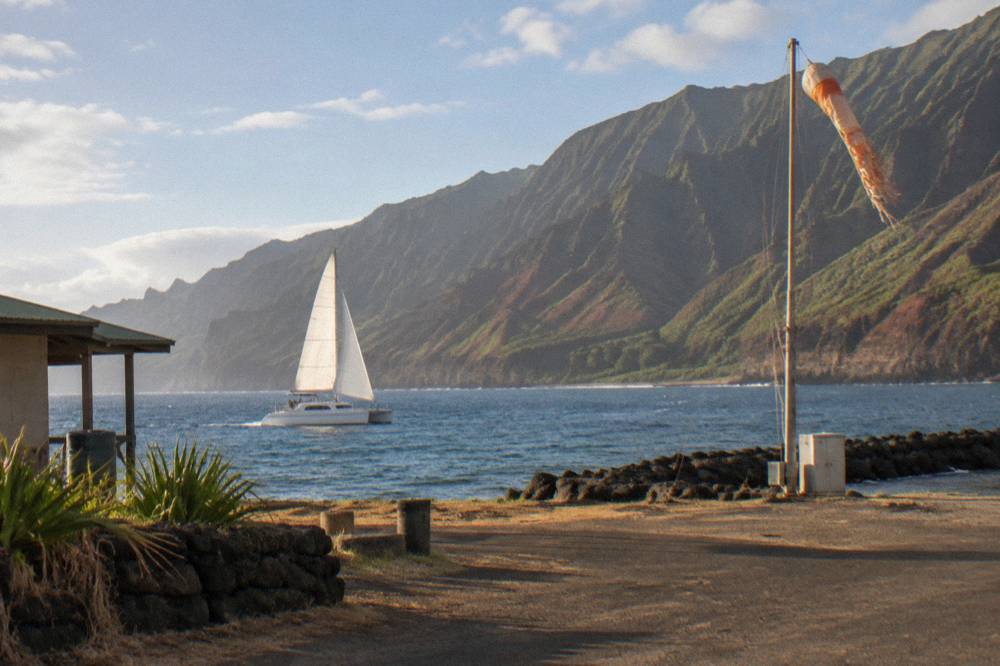
The seasonal pattern is consistent across operator guidance: north shore swell arrives mainly October through April, and the calm window runs May through September. Summer is when the small zodiac rafts shine, because the sea caves along the coast are visitable in calm conditions, and the 3-hour sea caves raft trip from Na Pali Riders, 4.9 from 155 reviews and from $235 per person, is built entirely around that accessibility. In winter those same trips cancel or divert more often, and larger catamarans become the safer booking.
| Departure window | Typical sea state (summer) | Typical sea state (winter) | Best suited to |
|---|---|---|---|
| Early morning | Calmest of the day, best clarity | Calmest available, but swell-driven cancellations still possible | Snorkelers, rafts, seasensitive guests |
| Midday | Trades building, moderate chop | Chop plus swell risk, highest chance of rough ride | Flexible travelers, shorter trips |
| Afternoon | Windy, warm, dramatic light | Often windy; some trips shorten routes | Photographers, late risers |
| Sunset | Easing winds late, calm ride home | Variable; sightseeing only | Couples, dinners, non-swimmers |
Winter also overlaps whale season, November through April per NOAA, which changes the value equation: a winter afternoon trip that finds whale activity can feel like the best money you spent all week, while a summer afternoon trip is mostly about the light. Again, no operator guarantees a sighting, and any listing that implies one should be read skeptically.
Does Departure Time Affect Seasickness?
It does. Morning trips run on the flattest water of the day, which is the single biggest environmental factor in seasickness, ahead of boat size or medication. Afternoon and midday trips spend more time in wind chop, which is what triggers most guests. If motion sickness is a real concern, book the earliest departure you can manage and medicate before boarding, not after.
The practical advice from operators is consistent: take whatever preventive you use, whether that is dimenhydrinate, a scopolamine patch or ginger, with enough lead time for it to be active before the boat leaves the harbor. Sitting midships and low, watching the horizon rather than a screen, and staying hydrated all help. None of it is news, but the timing point is the one people miss: a patch applied at the dock is already too late for a 3-hour crossing.
Boat choice interacts with time. A large catamaran like the Amelia K handles afternoon chop far more comfortably than a 24-foot zodiac, so a windy afternoon on a big boat may be gentler than a calm morning on a raft for some travelers. The 5-hour 30-minute raft snorkel trip from Kauai Sea Tours, 4.8 from 1,656 reviews and from $217.42 per person, is a wet, fast ride by design; that is the appeal for some guests and the dealbreaker for others. Matching both the hour and the hull to your stomach is the honest answer.
Which Time Gives The Best Light And Photographs?
Morning light is cooler, flatter and better for water color, reef shots and clear cliff detail from the seaward side. Afternoon light is warmer and rakes across the cliff faces, producing the dramatic golden photographs the coast is famous for, at the cost of visibility in the water. Photographers should choose afternoon for landscapes and morning for anything involving the ocean surface.
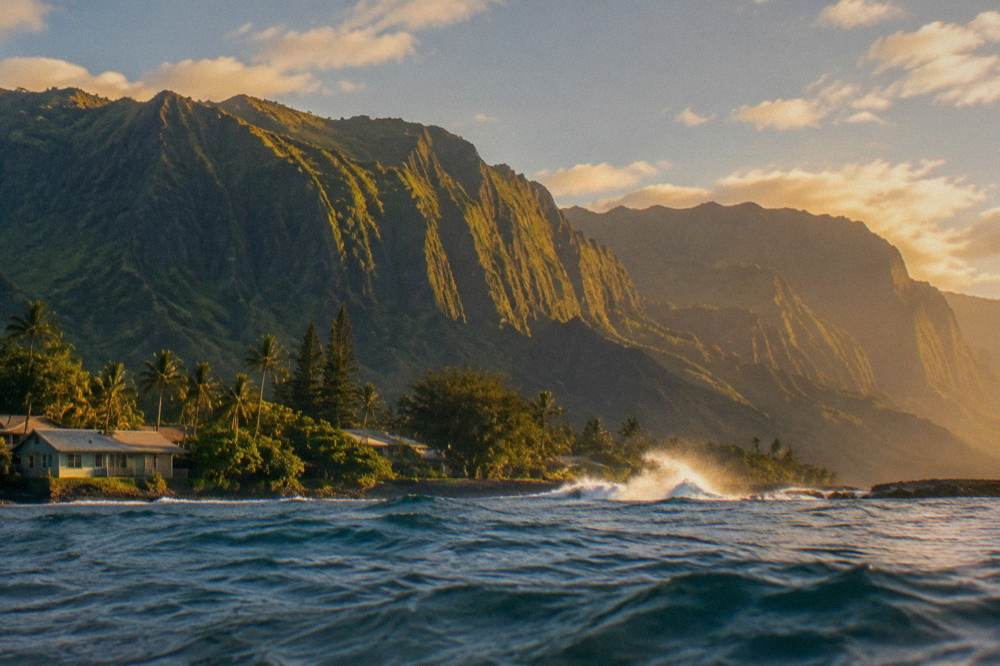
There is a mid-afternoon sweet spot worth naming. Roughly two to four hours before sunset, the light is directional and warm but still bright enough for fast shutter speeds from a moving deck. That window is why some travelers deliberately pick an afternoon snorkel departure like the express trips: they get a swim in early in the trip and the golden cliffs on the ride back. The trade-off, poorer surface visibility late in the day, is real but tolerable in summer conditions.
Wind is the hidden variable in photography. Afternoon chop puts spray on every lens, and salt spray on a telephoto shot of a cliff face ruins it in a way no editing fixes. If your camera gear matters more than your tan, morning wins on practical grounds alone.
How Should You Actually Book Around The Time Question?
Book the earliest snorkel departure you can realistically make, keep the afternoon as a fallback if mornings are sold out, and treat sunset as a separate experience to add rather than a substitute. Reserve early in your trip, not your last day, so a weather cancellation leaves room to rebook. Confirm the operator's current schedule and harbor before you go.
The rebooking point deserves emphasis. Because Na Pali trips cancel for weather in every season, a traveler who books the coast for their final day has no second chance. Booking day two or three of a week-long stay turns a cancellation into an inconvenience instead of a loss. Operators generally reschedule or refund when they cancel, but they cannot manufacture a new day at the end of your trip.
| If you want... | Best window | Example listing |
|---|---|---|
| Calmest water and best snorkeling | Early morning | Amelia K day tour, from $227.13, 4.9 from 2,052 reviews |
| A short, cheap taste of the coast | Late morning | Express snorkel aboard Imiloa, from $211.99, 4.7 from 346 reviews |
| Dramatic cliff photographs | Mid to late afternoon | Sunset sightsee sailing tour, from $263.82, 4.7 from 1,249 reviews |
| Dinner and a show on the water | Sunset | Leila sunset dinner sail, from $263.82, 4.7 from 609 reviews |
| Sea caves in calm summer conditions | Early morning, summer | Sea caves zodiac raft, from $235, 4.9 from 155 reviews |
| Whales, November through April | Any window, morning preferred | Winter whale watching, from $137, 4.7 from 355 reviews |
A note on access before you plan any Na Pali day: state parks, landings and harbors on this coast can be affected by storms, repairs and permit changes at any time of year. Check the current DLNR park notices and the operator's own updates before you lock in a date, and see the season guidance on Tours In Kauai Hawaii for how the time of year changes the whole island's tour picture.
Common Questions About Na Pali Boat Tour Timing
Is It Better To Do A Na Pali Coast Boat Tour In The Morning Or Afternoon?
Morning, for most travelers. The trades usually build through the day, so early departures get the calmest water and the clearest snorkeling. Afternoon trips offer warmer, more dramatic light and a later start. Sunset departures are a separate sightseeing and dinner product, not a snorkeling substitute.
What Time Of Day Is The Ocean Calmest On The Na Pali Coast?
Typically the first few hours after dawn, before the daytime heating of the island strengthens the trade winds. Conditions vary by season, and northwest swells from roughly October through April can cancel trips at any hour regardless of the time booked.
Do Morning Na Pali Tours See More Wildlife?
No departure time guarantees wildlife, and no listing promises one. Morning trips often report good snorkel visibility, and in whale season, November through April per NOAA, activity can occur at any hour. Treat sighting reports as anecdote and book the window that suits your comfort and schedule.
Are Sunset Na Pali Tours Worth It If You Already Snorkeled?
Many travelers think so. A sunset sail shows the coast in completely different light, usually with food and an easier ride home as the winds ease. It is a sightseeing experience rather than a swimming one, which makes it a natural second day on the water after a morning snorkel trip.
Which Is Better For Seasickness, Morning Or Afternoon?
Morning, clearly. The flattest water of the day is the biggest factor in avoiding seasickness, and that is the early window. Whatever preventive you use, take it with enough lead time to be active before the boat leaves the harbor, and consider a larger catamaran over a small raft if you are sensitive.
Should I Book A Na Pali Tour For My Last Day In Kauai?
No. Because trips cancel for weather in every season, book the coast early in your stay so a cancellation leaves room to rebook on another day. Confirm the operator's current schedule and check DLNR park notices before your date, since harbor and access conditions can change.