What Is The Best Month To See Whales In Kauai?
NOAA puts Kauai's humpback season November through April. Here is how the months compare, when sightings peak, and which whale watching tours match each part of the season.
What Is The Best Month To See Whales In Kauai?
What Is The Best Month To See Whales In Kauai?
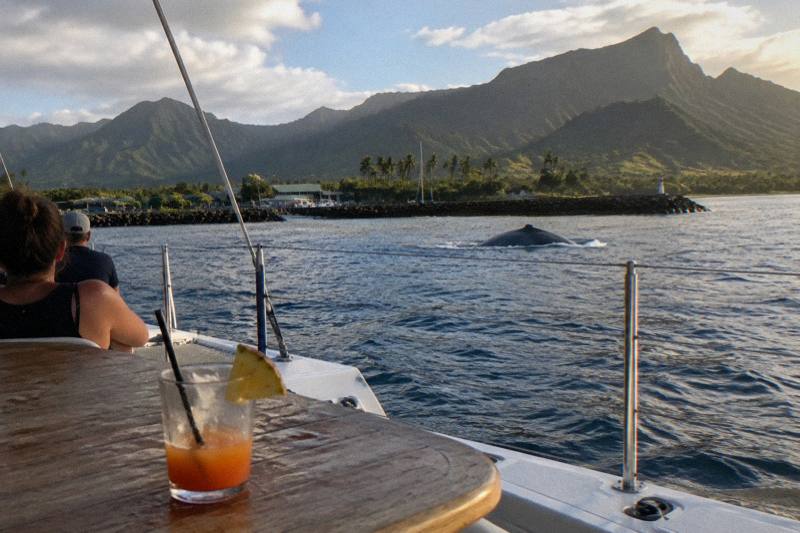
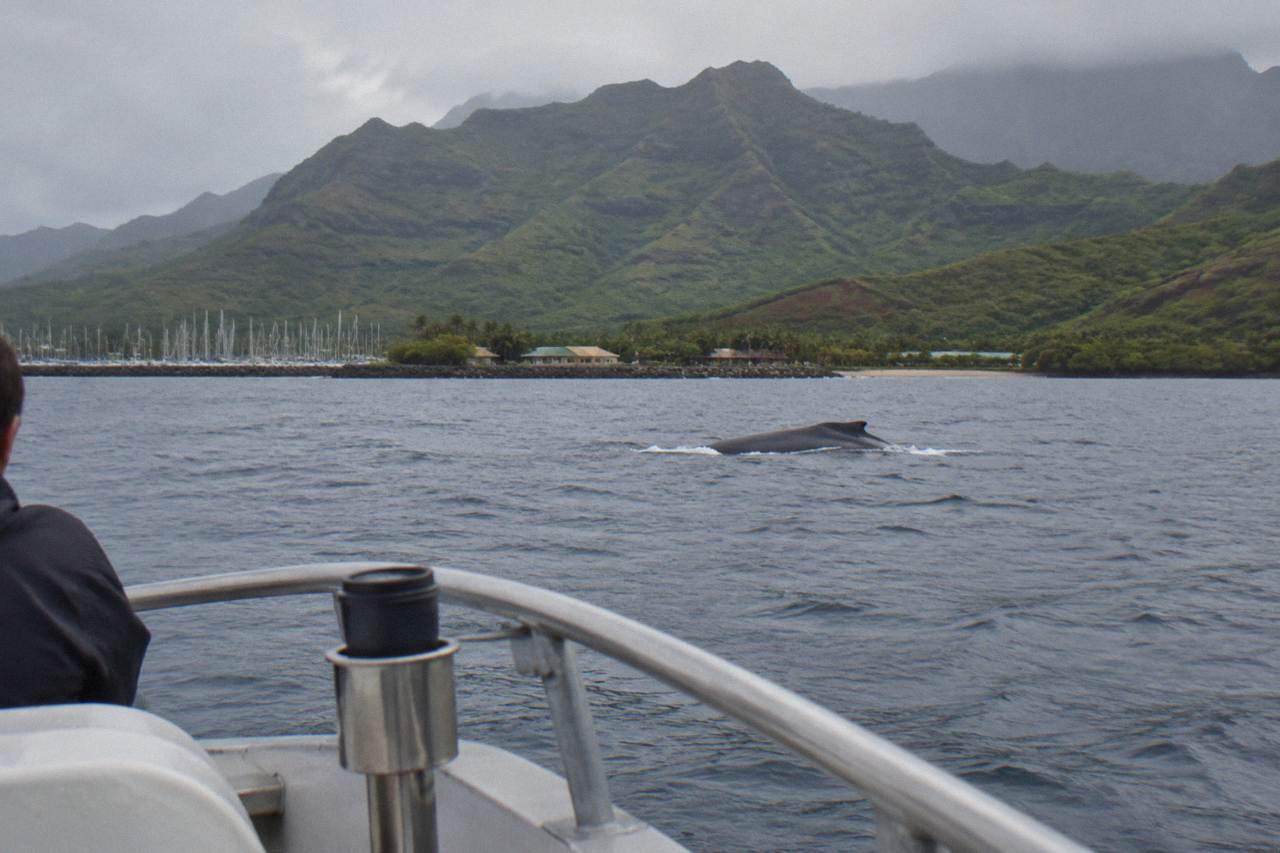
The best month to see whales in Kauai is February, with March a very close second. Those two months sit at the heart of the humpback season, which NOAA's Hawaiian Islands Humpback Whale National Marine Sanctuary describes as November through April. By midwinter the whales that migrated from Alaska are present in the largest numbers, and mothers with newborn calves begin appearing in nearshore waters.
That February and March framing is the common operator wording rather than a figure printed by NOAA itself, and it is worth being precise about the difference. The sanctuary's own page states plainly that from November through April, visitors to the sanctuary can see whales from shore and at sea. It does not rank the months. The ranking comes from years of operator experience: the first whales typically arrive in late fall, numbers build through December and January, and the population thickens toward the middle of winter before thinning again in April as the animals head north to feed. If you're weighing that midwinter whale peak against Kauai's wettest stretch, our guide to when a Kauai trip is more likely to disappoint lays out the weather side of the tradeoff.
So the honest answer has three tiers. November and December are early season, with sightings possible but sparse. January through March is the dependable core, with February the month most guides would pick if forced to choose one. April is late season, with fewer animals but still real odds, especially early in the month.
No month carries a guarantee, and no tour on this island sells one. Whales are wild animals covering one of the longest migrations of any mammal, and a calm February day can still produce a quiet trip. What the month does is set the base rate. If you want a fuller picture of how the whole season shapes up before committing to a date, the site's Kauai whale watching season guide walks through the calendar in more detail.
When Does Whale Season Start And End In Kauai?
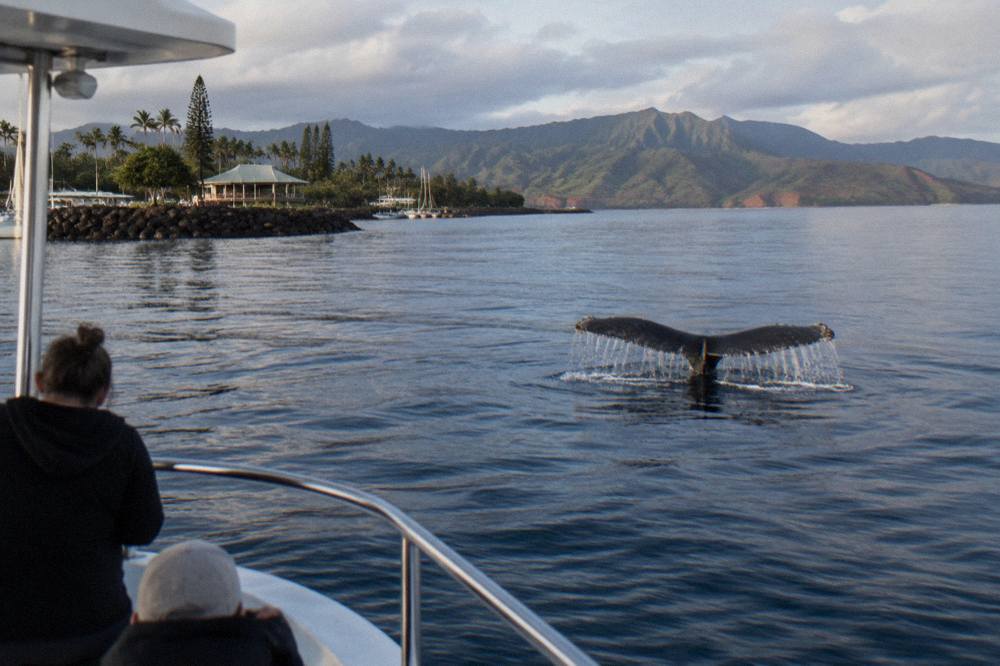
Whale season in Kauai runs November through April, the window stated by NOAA's humpback whale sanctuary for the Hawaiian Islands as a whole. The first humpbacks usually show up in late October or November, numbers build steadily into winter, and most animals have left for Alaska by late April. Outside that window, sightings are rare but not impossible.
Kauai sits inside the main Hawaiian humpback habitat, though the densest congregation in the state is traditionally the shallow banks between Maui, Molokai and Lanai. What Kauai offers is a long, exposed coastline with deep water close to shore on the west and south sides, which is where the island's whale watching boats concentrate in winter. The first confirmed sightings each season often come from fishermen or the crews of interisland flights before any tour reports them.
The season's shape follows the whales' own calendar. Humpbacks spend summer feeding in the cold, food-rich waters off Alaska, then fast through the winter breeding season in Hawaii. Pregnant females arrive first, eager to give birth in warm, protected water. Adult males follow, and juveniles come and go. That sequence is why the midseason months feel different from the edges: late in the season you are more likely to see a mother and calf traveling slowly, while peak months bring the surface-active groups that breach and slap their tails.
Which Months Have The Most Whales?
February and March have the most whales in Kauai waters, followed closely by January. This is the period when the full migrant population has arrived: adults, juveniles, mother-calf pairs and the escort males that follow them. Operators describe it as peak season for a reason, and it is when the island's dedicated whale watching trips run their fullest schedules.
The month-by-month pattern looks roughly like this:
| Month | Whale presence | What to expect |
|---|---|---|
| November | Early arrivals | Sparse sightings, mostly adults passing through |
| December | Building | Regular sightings begin, boats start seasonal trips |
| January | Strong | Reliable sightings, active surface behavior common |
| February | Peak | Highest numbers, mothers with calves appearing |
| March | Peak to strong | Calves more visible near shore, adults still active |
| April | Winding down | Decreasing numbers, decent odds early in the month |
| May to October | Off season | Rare sightings only, no dedicated whale tours |
One thing worth knowing if you are weighing February against, say, a holiday trip: December and February are different experiences even though both are "in season." December delivers whales as a bonus to a trip planned for other reasons. February delivers whales as the main event. If seeing a humpback is the primary purpose of your visit, the middle of the season rewards that intention.
Where Do Kauai's Whales Come From?
Kauai's humpback whales migrate from the feeding grounds off Alaska, a journey of roughly 3,000 miles each way that the animals make every year of their adult lives. They arrive in Hawaii to breed and give birth, not to feed, and they fast through the entire winter stay. The warm, relatively shallow water around the islands protects newborn calves in their first weeks.
The migration is the biological engine behind the season calendar. Because pregnant females need to reach warm water before giving birth, they tend to arrive earliest, and the population builds as more groups complete the trip. By February the island's waters hold a mix of the whole population, which is exactly why that month tops the list.
A newborn humpback calf is a sight that changes how you read a whale watch. It stays close to its mother, sometimes tucked to her side, and both animals move slowly. Late-season trips in March and early April, when calves are a month or two old and more playful, are the best window for watching a calf breach repeatedly while its mother rests nearby. Mothers with calves also favor the calmest available water, which on Kauai often means the more sheltered leeward stretches in winter.
Which Tours Go Whale Watching In Kauai?
Kauai's dedicated whale watching trips run roughly 2 hours and cost from $135.90 to $158.43 per person, though the island's snorkel and catamaran tours in winter also double as whale watches. The core options are Captain J's Winter Whale Watching from $137 per person, the Whale Watch Cocktail Cruise from Kauai Sea Tours at $135.90, and Z Tourz's south side whale and dolphin Zodiac trip from $158.43.
| Tour | Operator | Length | Price | Rating |
|---|---|---|---|---|
| Winter Whale Watching | Captain J's Kauai Offshore Adventures | ~2 hours | From $137 per person | 4.7 from 355 reviews |
| Whale Watch Cocktail Cruise | Kauai Sea Tours | ~2 hours | From $135.90 per person | 4.7 from 422 reviews |
| Whale and Dolphin Zodiac Boat | Z Tourz | ~2 hours 30 minutes | From $158.43 per person | 4.5 from 168 reviews |
The Winter Whale Watching trip from Captain J's Kauai Offshore Adventures is the straightforward pick: a short, focused outing built around finding whales, with a naturalist's commentary and hydrophone listening when conditions allow. Its 4.7 rating from 355 reviews gives it one of the larger review pools among the island's dedicated whale trips, and the 2-hour format keeps it manageable for families and for passengers who worry about seasickness.
The Whale Watch Cocktail Cruise aboard the Imiloa, Kauai Sea Tours' power catamaran, leans social, with drinks served as the boat works the winter waters off the south and west coasts. It holds a 4.7 rating from 422 reviews. Both it and the Captain J's trip leave from the south side, which matters in winter: the south and west coasts sit leeward of the big northwest swells that arrive October through April, so departure from that side of the island means a smoother ride in exactly the months you want to be out looking for whales.
A third option takes a different shape. Z Tourz runs a whale and dolphin Zodiac adventure from the south side, about 2 hours 30 minutes from $158.43 per person, rated 4.5 from 168 reviews. The smaller, faster craft gets you low to the water, which some travelers love for the immediacy and others find too bouncy in a winter swell. Dolphins, when the boat finds them, are a genuine second act that the dedicated whale trips do not chase.
Beyond the dedicated trips, most Na Pali catamaran and snorkel tours treat winter whales as a free bonus. A January or February snorkel cruise along the coast will stop or slow for a breaching humpback if one appears, and it often does. If you are already booking a boat day in peak season, you may not need a separate whale watch at all, though a dedicated trip will spend its full two hours searching rather than pressing on to a snorkel spot.

Can You See Whales From Shore In Kauai?
Yes, shore-based whale watching in Kauai works well in peak season, and it is free. NOAA's sanctuary explicitly notes that whales can be seen from shore as well as at sea. The best shore watching happens from elevated lookouts and long open coastal stretches on the south, west and north shores, especially in January through March.
The keys to shore viewing are height, patience and a long view of open water. Whales surface on their own schedule, often at a distance, and the classic shore sighting is a distant blow, a dark back, or the white splash of a breach. Bring binoculars if you have them; almost any work. Scan with your eyes, not the binoculars, and zoom in on anything that flashes white.
Good shoreline stretches for whale spotting include the open coast around Poipu on the south side, the long views from Polihale and the west side beaches toward Niihau, and the elevated north shore overlooks above Hanalei Bay. Coastal access and conditions can change, especially after heavy weather, so check the current DLNR park status before you set out for any state park or remote shoreline. The site's rundown of free things to do on Kauai includes more shore-based ideas that pair well with a whale watching afternoon.
Shore watching and boat watching are complements, not substitutes. From land you get the long view, the zero cost and the option to walk away. From a boat you get proximity, the guide's trained eye, and a hydrophone that lets you hear the whales singing underwater, an experience no cliff top can reproduce.
Is A Boat Tour Better Than Watching From Shore?
A boat tour is better if seeing whales up close is a priority, while shore watching is better if budget, time or seasickness is the constraint. Boats can approach to the legal viewing distance, follow whale activity across a wider area, and put a hydrophone in the water. Shore watching costs nothing and carries no risk of nausea, but every sighting is at a distance.
Two practical realities shape the choice in winter. The first is sea state: the large northwest swells that arrive October through April can make small-boat trips rough or cancel them outright, particularly for rafts and Zodiacs. South side departures, where Kauai's whale watching fleet is based, sit in the lee of those swells and usually run more comfortably. The second is time: a dedicated whale tour commits only about two hours, which fits between a morning beach session and a sunset without consuming a day.
There is also a legal layer that favors the professionals. Humpbacks are protected under federal law, and vessels must follow approach rules, including distance limits, that guided tours know how to operate within. A tour does not guarantee a sighting, and no listing on this island promises one, but a crew that watches whale behavior all winter knows where the animals like to be on a given morning far better than a first-time visitor.
If you do go by boat, book for the morning when you can. Kauai mornings tend to carry lighter wind and flatter water, and smoother water makes whale blows easier to spot at range. For more on that trade-off generally, see the guide to morning versus afternoon Na Pali tours, whose logic applies to whale trips too.
What About Dolphins, Turtles And Other Marine Life?
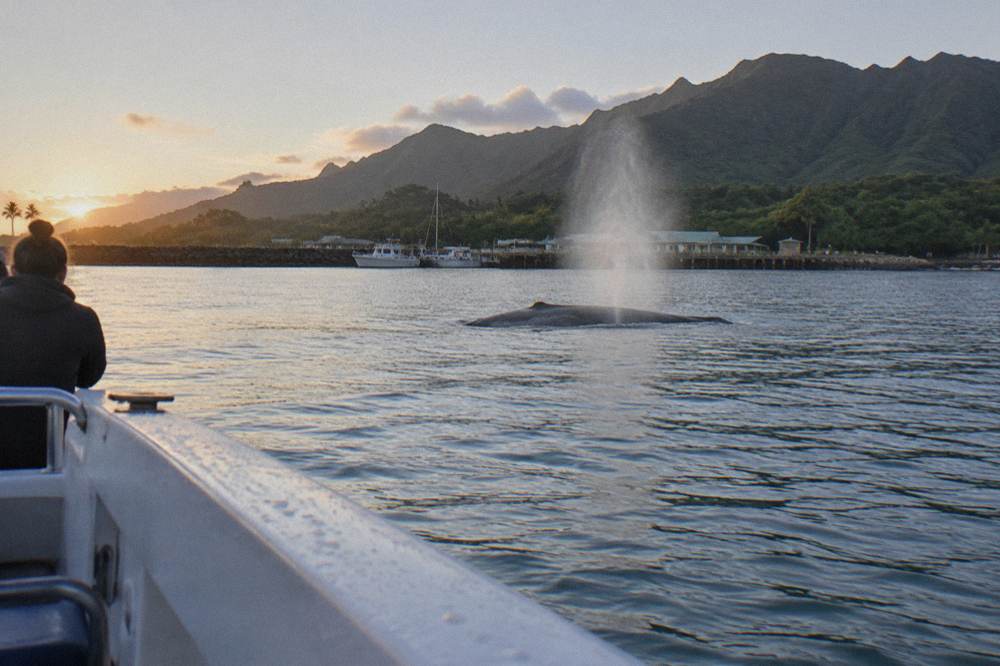
Dolphins are present in Kauai waters year round, so a winter whale trip often delivers both, while sea turtles are near-shore residents seen on most south side outings. Spinner dolphins rest in shallow bays by day and feed offshore at night, and Hawaiian monk seals haul out on remote beaches. None of these, like the whales, can be guaranteed on any trip.
The Z Tourz whale and dolphin Zodiac trip is built around exactly this doubling up, spending its 2 hours 30 minutes on whichever of the two the sea offers, and its 4.5 rating from 168 reviews reflects a mixed bag of encounters. On a February morning the realistic best case is whales in transit plus a spinner dolphin bow-ride on the way home, plus a turtle surfacing near the boat as it idles off Poipu.
Two respectful-viewing notes. Spinner dolphins are a protected species with specific approach rules, because disturbing resting pods harms them; a good operator will watch from a distance rather than chase. Monk seals likewise rest on beaches and must be left alone. A crew that follows those rules is a good sign generally, and it is a fair question to ask before booking any marine life trip.
If turtles specifically are your goal, a guided shore snorkel is the more reliable format, since turtles graze the same shallow reefs daily. The site's guide to the best snorkeling spots on Kauai covers where they congregate and which guided shore snorkel tours visit those reefs.
What Should You Know Before Booking A Whale Watch?
Book early in your trip, not late, so a weather cancellation can be retried; choose a south or west side departure for calmer winter water; pick a morning slot for the flattest sea; and read the cancellation policy before you pay. Whale watching in Kauai is weather dependent, trips do get cancelled in winter, and reputable operators rebook or refund when the sea says no.
| Consideration | Why it matters | Best practice |
|---|---|---|
| Timing within your stay | Winter trips can be cancelled for swells | Book your first full day so a retry fits |
| Departure side | South and west are leeward in winter | Prefer Port Allen or south side harbors |
| Time of day | Morning wind is lighter, seas flatter | Take the earliest comfortable slot |
| Boat type | Rafts bounce more, catamarans ride steadier | Match the boat to your stomach and back |
| Booking window | Peak February dates fill first | Reserve ahead once flights are fixed |
Price differences across the dedicated trips are small, from $135.90 to $158.43 per person at the roster's listed fares, so the decision is really about format: a naturalist-focused watch, a social cocktail cruise, or a fast Zodiac that chases dolphins too. Travelers comparing the whole island's winter lineup can start from Tours In Kauai Hawaii and its whale watching category, which gathers every current listing with prices and review counts side by side.
One last planning note: February and March are popular months on Kauai for reasons beyond whales, so lodging fills and the best tour times go first. Lock the whale watch once your stay is confirmed, check the operator's current schedule before you travel, and leave a spare morning in the itinerary in case the ocean makes the call for you.
Common Questions About The Best Whale Watching Month In Kauai
What Is The Best Month To See Whales In Kauai?
February is the single best month, with March a close second. Those months sit at the heart of the November through April season NOAA describes for Hawaiian waters, when humpback numbers are at their highest and mother-calf pairs are commonly seen.
Can you see whales in Kauai in December or January?
Yes. December brings the first steady sightings as the migration builds, and January is reliably good, with active surface behavior common. Both months are solid, just a step below the February and March peak.
Is April too late for whale watching in Kauai?
Not necessarily. Early April still offers decent odds, especially for mother and calf pairs, but numbers thin through the month as whales return to Alaska. By May, sightings are rare.
Are whale sightings guaranteed on Kauai tours?
No. No listing on the island guarantees a sighting. Whales are wild animals, and operators frame trips as high-odds searches, not certainties. Peak season simply raises the base rate.
Do you need a boat to see whales in Kauai?
No. NOAA notes whales can be seen from shore as well as at sea, and elevated coastal lookouts on Kauai's south, west and north shores produce good sightings in peak season. Binoculars help a lot.