When Not To Go To Kauai?
The honest answer to when not to go to Kauai: the wet winter months, hurricane season, and north-shore swell windows, with NOAA rainfall figures and what they mean for tours.
When Not To Go To Kauai?
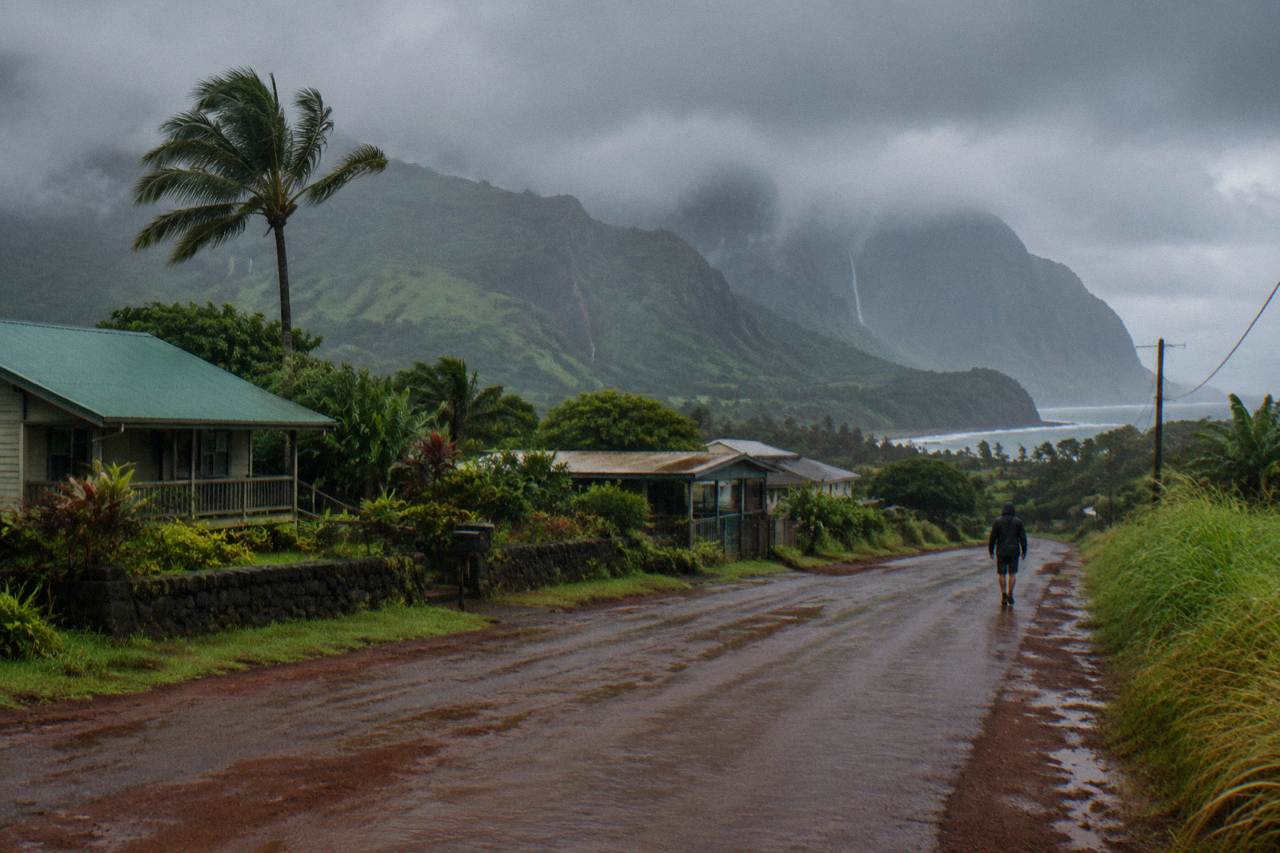
The weakest window for a first visit is mid-October through mid-March, when Lihue averages 3.27 to 5.61 inches of rain per month, north-shore swells cancel small-boat trips, and the Central Pacific hurricane season only closes on November 30. None of these months is a write-off. They are months when you should book flexible activities, expect some cancellations, and plan around weather rather than against it.
Kauai is the northernmost and wettest of the main Hawaiian islands, and its weather has a rhythm. The southeast around Lihue is comparatively dry, 36.22 inches of rain across a typical year by the NOAA 1991 to 2020 climate normals for the Lihue airport station, while the north shore and the mountains toward Haena run far wetter. The same month can be a beach day in Poipu and a downpour in Hanalei.
That rhythm matters most for the activities people actually come for. A Na Pali boat trip, a helicopter flight, and a snorkel stop are all weather-dependent products, and the season you choose changes both the odds of going and the odds of a rough ride. Before locking dates, it also pays to check the current DLNR park status and any operator notices, since access conditions on this island can shift for reasons that have nothing to do with the calendar.
If you are weighing the tradeoffs against the classic small-boat day on the coast, this trio covers the three formats that hold up best across seasons:
Which Months Are The Wettest On Kauai?
March is the wettest month at Lihue with a monthly normal of 5.61 inches, and the November-to-March stretch overall carries the five highest monthly totals, from 3.27 to 5.61 inches. July is the driest at 1.75 inches, and the summer half-year from May through September holds every one of the five driest slots. Rain still falls somewhere on the island every month; the difference is how often and how hard.
The monthly rainfall normals for Lihue, in inches, run 2.78 in January, 3.63 in February, 5.61 in March, 2.03 in April, 2.18 in May, 1.79 in June, 1.75 in July, 2.33 in August, 2.18 in September, 3.27 in October, 4.03 in November and 4.64 in December. Two things jump out. First, March stands above everything else, more than three times July's total. Second, the wet season is broad: no single month owns the rain, the whole November-through-March block does.
| Month | Lihue rainfall normal (inches) | What it means for planning |
|---|---|---|
| January | 2.78 | Moderate rain, strong whale season |
| February | 3.63 | Wet, north swells active |
| March | 5.61 | Wettest month, flash-flood risk highest |
| April | 2.03 | Drying out, crowds thin |
| May | 2.18 | Calm north shore begins |
| June | 1.79 | Dry, hurricane season starts |
| July | 1.75 | Driest month |
| August | 2.33 | Dry, warm, peak family travel |
| September | 2.18 | Quiet, late hurricane season |
| October | 3.27 | Swell season returns |
| November | 4.03 | Wet, whale season begins |
| December | 4.64 | Wet, holiday crowds and pricing |
Remember that the Lihue station is the dry-ish southeast corner. A March day can be partly sunny in Poipu while the Wailua valley and the north shore sit under clouds, so the planning move in wet months is to stay flexible on geography, not just on dates. The deeper dive on month-by-month patterns is in the Kauai weather by month guide.
Wet months change which tours make sense. River products like the Wailua River kayak routes are rain-fed and run in almost any weather, while ocean products bear the risk. Operators pause rental vessels during a flash flood watch, and hiking access beyond trailheads depends on current DLNR status, so check both before you build a wet-season day around a waterfall hike.
When Is Hurricane Season In The Central Pacific?
The Central Pacific hurricane season runs June 1 through November 30, which overlaps the entire dry half of the Kauai calendar. A storm near the islands is rare in any given week, but the season's existence is a real reason some travelers avoid August through October, the months when tropical systems are most active in this basin. The odds favor you; the tail risk is not zero.
It is worth being precise about what this means. Hurricane season does not mean constant storms. Most weeks of most seasons, nothing is anywhere near Kauai, and summer delivers the island's most reliable sunshine and calmest seas. What the season does is add a low-probability, high-impact possibility: a named system can close harbors, suspend boat departures, and shut state parks and trails while damage is assessed and repaired.
The practical protections are straightforward. Book activities that offer free cancellation or rescheduling, which most Kauai boat and helicopter operators do for weather. Keep at least one no-refund commitment, a hotel deposit say, small relative to the trip. And if a storm has passed anywhere near the island in the weeks before your visit, check the DLNR Important Park Notices page and your operators' own pages before assuming any park, trail or landing is accessible. Post-storm recovery timelines are not published far ahead, and reservations for closed park days are typically auto-refunded minus service charges.
The counterweights to the hurricane-season worry are price and space. September in particular sits in a quiet shoulder: families are home, seas are still calm on the north shore, and the Lihue normal is just 2.18 inches. Travelers who accept the tail risk often get the island closer to itself.
When Do Winter Swells Hit The North Shore?
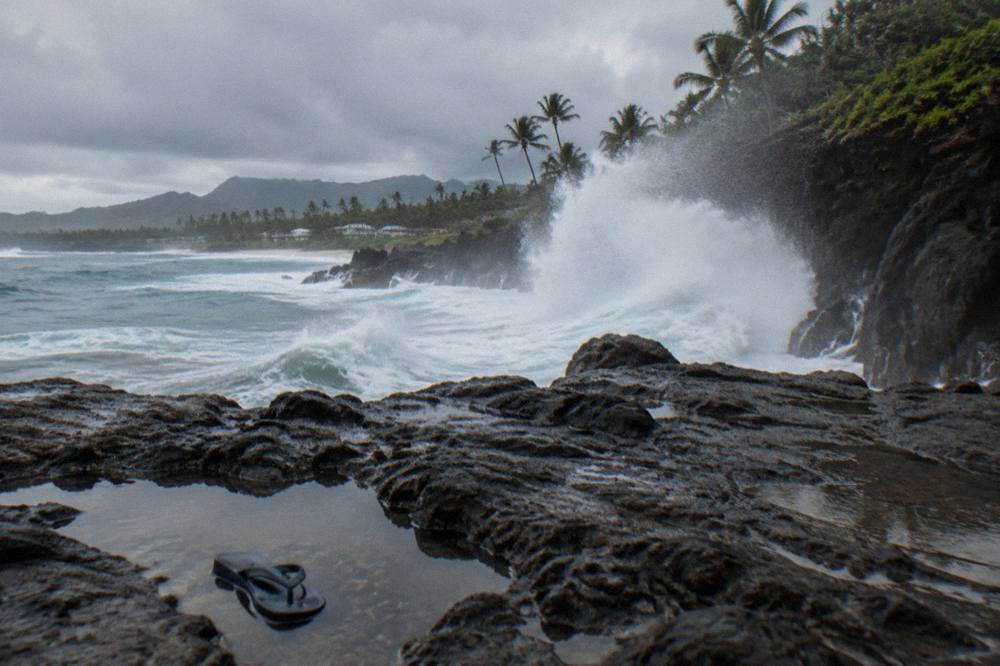
Large northwest swells run roughly October through April, and they matter because Kauai's north shore faces them directly. In those months, north-shore ocean conditions turn rough and small-boat and snorkel departures from north-side bases drop to seasonal lows or stop. The famous Na Pali trips mostly depart from Port Allen on the southwest side, which is more dependable year-round.
This is the single most underappreciated timing fact on the island. Rain gets the attention, but swell is what cancels boats. Summer, roughly May through September, brings the calm window when north-shore waters can sit at one to three feet and sea caves along Na Pali become reachable by raft. Winter flips it: the same coastline takes the full force of North Pacific weather, and operators reroute, swap snorkel stops, or cancel outright.
The format you book determines how much swell hurts. Rigid-hulled inflatable rafts are the most weather-sensitive and the most likely to be called off or to run a wet, bumpy ride in winter. Larger catamarans and cabin boats, like the Amelia K day boat tour from Makana Charters, about 5 hours from $227.13 per person with a 4.9 rating from 2,052 reviews, hold a schedule through conditions that scrub a raft trip, and the covered cabin matters when a squall passes through.
Swell also reshapes the snorkel map. North-shore spots that are glassy in July can be unswimmable from October through March, and the reliable winter options shift to the south and west sides. The best Kauai snorkeling spots guide breaks down which sites belong to which season, and the Na Pali catamaran versus raft comparison covers the boat-choice question in depth.
Is Winter A Bad Time To Visit Kauai Overall?
No, and the reasons to go are strong: humpback whales are present from November through April per NOAA, winter surf swells draw watchers, and prices sit below the December holiday peak in January and February. Winter is a bad time only for one specific plan, a trip built around calm-water north-shore snorkeling or a raft expedition into sea caves. Build around whales and drama instead and it delivers. If you want to plan around the whales rather than just avoid bad conditions, our guide to the best month for whale watching in Kauai compares how each part of the season stacks up.
The NOAA Hawaiian Islands Humpback Whale National Marine Sanctuary states plainly that from November through April, visitors can see whales from shore and at sea. No tour can promise a sighting, but the season is real, and dedicated whale-watch products fill the gap when Na Pali rafts pause. The Winter Whale Watching trip from Captain J's runs about 2 hours from $137 per person, 4.7 from 355 reviews, and the Whale Watch Cocktail Cruise aboard Imiloa is about 2 hours from $135.90 per person, 4.7 from 422 reviews.
Winter also mutes one summer problem: crowds. Outside the mid-December to early-January holiday block, winter visitation is thinner than summer, and the island's famous lookouts and beaches feel it. You will trade some beach hours for it. By the NOAA normals, January's average daily high at Lihue sits among the coolest of the year while staying firmly warm by mainland standards, so this is not a cold-weather escape in reverse; it is a wetter, greener, whale-season version of the island.
The honest framing: know which winter you are buying. If your non-negotiable is a specific boat, a specific cave, or a glassy snorkel morning on the north shore, winter is when not to go. If your non-negotiable is seeing the island lush, watching whales, and paying less, winter is quietly one of the better answers.
What About Crowds And Peak Pricing?
The times to avoid on pure crowd grounds are mid-December through the first week of January, the last two weeks of June, and the week around Christmas-flow holidays like Thanksgiving, when holiday demand stacks onto dry-season confidence. These windows combine the island's highest accommodation rates with its fullest boats and tour rosters, so the cheap dates and the empty dates are almost never the same weeks.
Peak pricing follows demand with a lag behind weather. The December holidays are the clearest avoid-if-you-can window: rates spike, tour rosters sell out weeks ahead, and you get winter swell conditions at summer prices, the worst ratio on the calendar. Mid-June through July inverts that: peak prices that at least buy the driest, calmest, most reliable weather. Whether that trade is worth it is a budget question more than a weather question.
| Window | Crowds | Weather character | Best for |
|---|---|---|---|
| Mid-Dec to early Jan | Highest | Wet, north swells, holiday energy | Whale start, festive scene |
| Late Jun to Aug | High | Driest, calmest seas | Guaranteed ocean activities |
| March | Moderate | Wettest month | Lush scenery, low rates |
| Sep to mid-Oct | Lowest | Dry to mixed, late hurricane season | Value, quiet trails and tours |
| Late Apr to May | Low-moderate | Drying, calm beginning | The sleeper value window |
Between those poles sit the shoulder windows that repeat throughout this site's planning guides because they genuinely earn it: late April through May, and September into early October. Both pair thinner crowds with reasonable weather odds. The trade in September and October is the hurricane-season tail and the return of swell from mid-October, which is exactly the balance the best time to visit Kauai guide walks through in detail. Once you've settled on dates, the plain-talk rundown of Kauai's ocean, flood, and trailhead hazards covers what to watch for beyond the calendar.
One crowd nuance worth knowing: tour capacity matters more than headcount on the beach. A zipline course or a small-group canyon tour at holiday-week prices sells out early no matter what the weather does, so in peak windows the cost of indecision is not a worse price, it is no seat at all.
When Is Kauai Cheapest And Quietest?
The cheapest quiet weeks are late January through February, excluding holiday weekends, and late September through mid-October, excluding any week a storm is tracking nearby. Both windows pair low demand with soft prices on stays and tours. The difference is that February is wet and whale-rich while early October is drier but sits inside hurricane season and the start of swell season.
Late January and February are the island's softest demand weeks. Accommodation rates ease, tour rosters have same-week seats, and the whale season is in full swing with NOAA's November-to-April window at its midsection. The cost is the wettest part of the calendar outside March, and north-shore ocean activities run reduced or paused. Travelers who structure the day around whales, gardens, luaus and food tours, and treat any Na Pali crossing as a bonus, consistently report good value.
Late September to mid-October is the mirror image. The Lihue rainfall normal is 2.18 inches for September and 3.27 for October, the summer calm often lingers into early fall, and crowds are thin. The risks are the late tail of the Central Pacific hurricane season through November 30 and the arrival of the first big northwest swells, typically from October. It rewards exactly the traveler who checks forecasts and books refundable.
| Budget window | Typical rates | Weather trade | Anchor activities |
|---|---|---|---|
| Late Jan to Feb | Lowest of winter | Wettest non-March stretch, big swells | Whale watches, luaus, food tours |
| Late Apr to May | Moderate | Drying, seas calming | Rafts, snorkel, kayak |
| Sep to mid-Oct | Lowest of fall | Hurricane tail, swell returns | Boats from Port Allen, hiking |
Cheap dates interact with tour pricing in one specific way worth flagging: most Kauai tour listings hold one price year-round, and the roster's figures, like the Amelia K at from $227.13 per person or the guided Poipu shore snorkel at from $119.80 per person, do not swing seasonally the way hotels do. Your savings in a shoulder window come from lodging and from availability, not from tour discounts.
What Weather Cancellations Mean For Boat And Helicopter Trips?
Every Na Pali boat trip and every helicopter flight on this island can be rescheduled or cancelled for weather, and operators state this plainly on their listings. In winter, small-raft trips carry the highest cancellation odds; helicopter flights carry a different risk, low clouds and rain hiding the very valleys you paid to see. Book early in your stay, keep a backup day, and read the reschedule terms before you pay.
The standard advice from operators and from this site's own Kauai helicopter safety reporting is to schedule weather-dependent tours toward the front of your trip. If Monday's raft trip cancels, a Tuesday or Wednesday retry is possible. If you booked the last day of a week-long stay, a cancellation is simply a refund and a missed coast. Morning departures also tend to beat the building afternoon clouds, especially for helicopters, a tradeoff examined in the morning or afternoon helicopter tour discussion.
Helicopters face weather differently than boats. A flight can legally and safely run while Waimea Canyon sits under a cloud deck, and the trade is a changed route rather than a cancelled day: operators fly where the weather allows, which on a wet day can mean the dry south and west rather than the famously wet interior. Weather reschedules and refunds are common practice among the major Lihue operators, and the Eco Adventure Helicopter from Blue Hawaiian, about 50 minutes from $489 per person with a 4.8 rating from 2,065 reviews, is a representative large-operator listing to read for terms.
For boats, the single most useful booking habit in winter is choosing the departure harbor consciously. Port Allen on the southwest side is the year-round hub for the big Na Pali catamarans precisely because it dodges the north-shore swell, and the operator mix there, Holo Holo Charters, Kauai Sea Tours, Makana Charters among them, runs the full range of formats from rigid rafts to cabin catamarans. The Na Pali by boat or helicopter guide compares the two head-to-head.
Are There Months When The Ocean Activities Stop Completely?
No month stops Kauai's ocean activities outright, but the mix shifts hard. From roughly October through April, north-shore kayak and snorkel options shrink to seasonal lows, Na Pali raft trips run weather-dependent or pause, and the dependable products cluster on the south and west sides: Poipu shore snorkels, south-shore dives, and Port Allen boat departures. Summer restores the full menu.
The roster tells this story cleanly. The guided shore snorkel at Poipu with Z Tourz, about 2 hours from $119.80 per person, 4.8 from 951 reviews, is a beach-based product with no boat, no crossing, and no swell exposure, which is exactly why it holds up through winter when north-shore options fade. The same operator's south-side Zodiac snorkel, about 3 hours from $161.43 per person, works a leeward coast that winter rarely shuts down. These are the winter-safe picks. Since the south shore carries your winter plans, the guide to Kauai's prettiest beaches can help you pick where to spend the rest of your island days.
The seasonal products are the ones to time deliberately. Hanalei Bay kayak and snorkel trips in the summer-only calm window, Niihau snorkel expeditions in the settled months, sea-cave raft runs when the northwest swell is absent: each belongs to a season, and each listing states its own operating window. Checking the current operator schedule is part of the booking step, not an afterthought.
One last winter note that cuts the other way: the ocean in winter is dramatic, and watching it is free. The same swell that cancels a raft trip puts on a show from coastal lookouts, and the island's beaches and free viewpoints, covered in the free things to do on Kauai guide, cost nothing to enjoy from a safe distance. The advice repeated by every ocean-safety authority is to watch winter surf from shore, never to swim into it.
So When Should You Actually Go?
For a first trip built around Na Pali boats, snorkeling and north-shore beaches, target late April through early September, with the May-June and September shoulders offering the best calm-to-crowd ratio. For whales, value and lush scenery, January or February. Avoid mid-December to early January unless festive energy is the point, and treat mid-October to mid-March as a plan-around-it season rather than an avoid-it one.
That is the whole decision in one paragraph, but the honest close is that Kauai rewards travelers who match expectations to season instead of fighting the calendar. The wettest months are also the greenest and cheapest. The calmest months are also the fullest. The storm season is real but mostly empty, and the swell season is a boat-format problem more than a travel problem. On Tours In Kauai Hawaii the season pages and this article's picks are built around exactly that matching exercise, because the worst time to visit Kauai is not a month, it is a mismatch.
Three formats carry the most season-proof value for most travelers, and they anchor this final comparison:
Common Questions About When Not To Go To Kauai
When Not To Go To Kauai?
Avoid mid-October through mid-March if your trip depends on calm north-shore water or a Na Pali raft expedition, and avoid mid-December through early January if you dislike crowds and peak pricing. Lihue's wettest stretch runs November through March, peaking at 5.61 inches in March, while north-shore swells run roughly October through April.
What Is The Rainiest Month On Kauai?
March, with a monthly rainfall normal of 5.61 inches at the Lihue airport station per the NOAA 1991 to 2020 climate normals. November and December follow at 4.03 and 4.64 inches. July is the driest month at 1.75 inches.
Does Hurricane Season Affect Kauai Travel Plans?
The Central Pacific hurricane season runs June 1 through November 30, and while direct hits are rare, storms near the islands can pause boat departures and close parks and trails. Book refundable activities and check DLNR park notices and operator pages close to your dates.
Can You Do A Na Pali Boat Tour In Winter?
Yes, when conditions and the operator's schedule allow, but winter raises cancellation odds, especially for small rafts. Larger catamarans and cabin boats departing from Port Allen on the southwest side are the most dependable formats, and no listing guarantees sea caves or snorkel stops in any season.
When Is Whale Season On Kauai?
Humpback whales are present from November through April, per NOAA's Hawaiian Islands Humpback Whale National Marine Sanctuary. Peak sightings are commonly reported January through March. No tour can promise a sighting in any month.
What Are The Cheapest Weeks To Visit Kauai?
Late January through February, outside holiday weekends, and late September through mid-October. Both pair soft demand with availability on tours, though tour listing prices themselves generally hold steady year-round; the savings come from lodging and from booking close-in seats.