What Is The Most Authentic Luau In Kauai?
An honest look at what authentic means at a Kauai luau, which luaus are actually bookable on the island, and how to read a show before you book.
Torchlight, pig, pounding drums, and a buffet line: the luau is the evening most Kauai visitors plan around, and it is also the evening most likely to disappoint if the word "authentic" is doing no work in the sentence selling it. The island has a small number of bookable luaus, each a different trade-off between tradition, theater, food, and price. This guide defines the term honestly, lists what each luau on this site's roster actually includes, and helps you decide which one deserves your evening. If you want a daytime challenge to earn that buffet plate, the guide to Kauai's most demanding hikes lays out the Kalalau Trail and other punishing routes so you know exactly what you are signing up for.
What Is The Most Authentic Luau In Kauai?
No single Kauai luau can honestly be crowned the most authentic, because the word means different things: an imu-cooked pig, a lei greeting, hula with real lineage, or a host family sharing culture. Judged on those traditional markers, Luau Ka Hikina, rated 4.6 across 851 reviews and from $183.25 per person, is the roster's most traditional-format option. The honest answer depends on which markers matter to you. If you prefer that same honesty when judging other island experiences, our look at helicopter tour safety records you can actually verify explains why no honest ranking exists and what to check before booking.
That answer needs unpacking, because "authentic" is not a protected word in Hawaii tourism. Any dinner show with a pig on a spit can print it on a flyer. A more useful approach is to separate the elements that actually connect a luau to Hawaiian culture, the imu, the oli (chant), the hula kahiko (ancient-style dance), the genealogy of the performers, from the elements that are pure production, fire knives, lasers, and narration written for a mainland audience.
On that separation, the Kauai field splits roughly in two. Luau Ka Hikina and Wailua Nui at the Hilton Garden Inn lean toward the traditional format: lei greeting, dinner, and a show built around hula and Polynesian dance. Luau Kalamaku at Kilohana Plantation is a large-scale theatrical production, staged in a dedicated amphitheater, with a story-driven show. Neither is fake. They are different products for different evenings. For a side-by-side comparison of what each one offers, our guide to the best luaus on Kauai has the details.
If you want the fuller framework for comparing every option, the site's dedicated best luau on Kauai guide walks through all of them in depth. This article takes the narrower question: what does authentic mean, and which luau best matches it?
What Does "Authentic" Actually Mean At A Luau?
Authenticity at a luau comes down to four testable markers: food from an imu rather than warming trays, a greeting rooted in custom such as a lei and an oli, dance performed with connection to hula lineage rather than as choreography alone, and a host who treats the evening as culture shared rather than a dinner theater script. A luau can score high on two markers and low on the others, which is why rankings mislead and checklists do not.
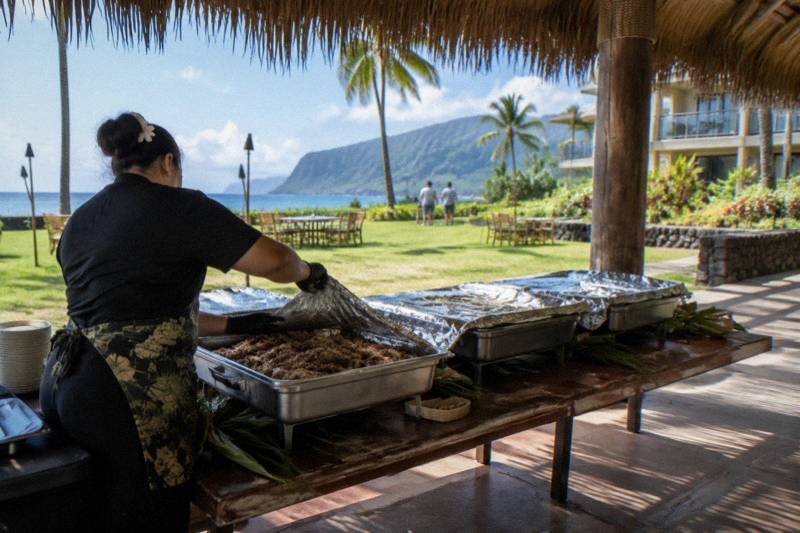
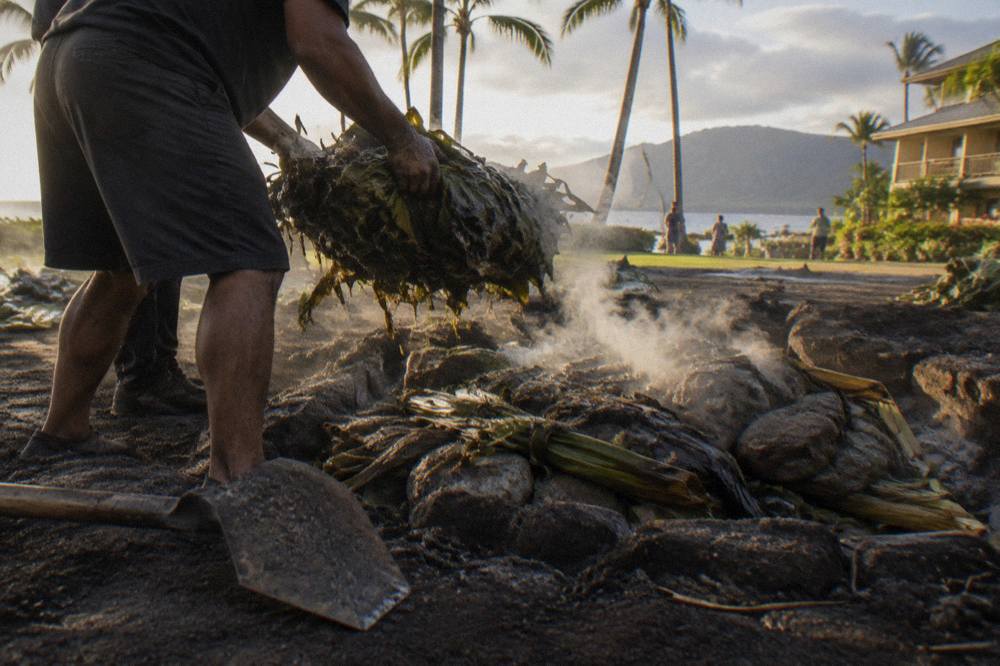
Start with the imu. Traditionally, the kalua pig is wrapped in ti leaves and slow-cooked in an underground oven, and the unearthing ceremony is a real moment at luaus that keep the practice. If a luau's pig arrives from a kitchen, the ceremony is a performance of a ceremony, which is a meaningful difference to some visitors and an invisible one to others. The listing for a luau usually says whether an imu ceremony is part of the evening; read for it.
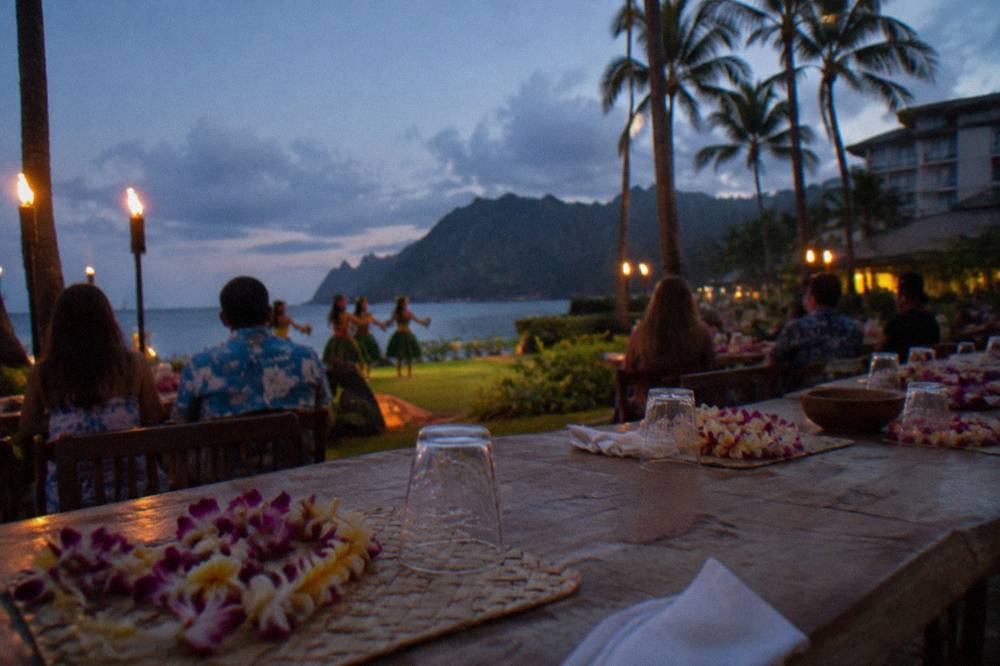
Second, the greeting. A lei greeting at the door, the kind Luau Ka Hikina includes in its standard admission, sets a tone before anyone touches a buffet plate. It is a small thing but it is a real custom, not a production element, and it signals how the host sees the evening.
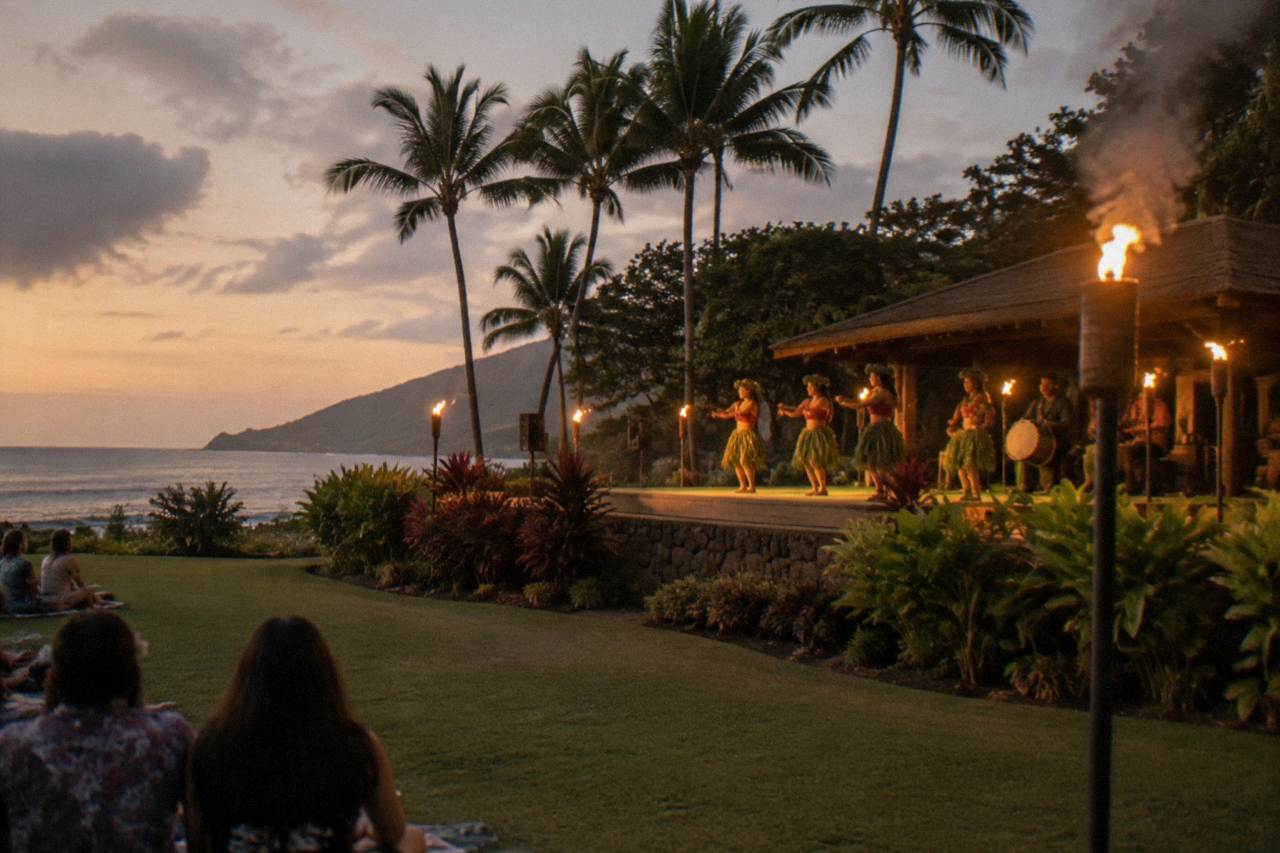
Third, the dance. Hula exists on a spectrum from hula kahiko, chant-driven and traditional, to hula ʻauana, the melodic modern style, and beyond that to the pan-Polynesian revue that folds in Tahitian and Samoan dance including the Samoan fire knife, which is thrilling and beloved but is not Hawaiian hula. A show heavy on fire knives is a Polynesian revue. That is a legitimate evening, but a visitor searching for Hawaiian cultural depth should know the difference before booking.
Fourth, the people. Luaus hosted by local families or long-running local production companies tend to carry stories, place names, and language into the show naturally. Large plantation-estate productions carry scale instead. Scale is not the enemy of authenticity, but it buys different things.
Which Luaus Can You Actually Book On Kauai?
Six luaus are bookable on this site's roster: Luau Ka Hikina, four Luau Kalamaku packages (buffet, premium, Manor House four-course, and VIP Manor House), and Wailua Nui at the Hilton Garden Inn. Every other "luau" you see advertised is either one of these under a venue name or a private event, so the comparison field is genuinely small.
That small field is worth appreciating. On Oahu you can shop among a dozen competing shows; on Kauai the decision is really among three venues and a handful of seating tiers. Here is the full bookable list with the facts from each listing.
| Luau | Duration | Rating | From (per person) |
|---|---|---|---|
| Luau Ka Hikina, lei greeting and dinner | ~2 hr 25 min to 3 hr | 4.6 from 851 reviews | $183.25 |
| Luau Kalamaku, buffet dinner and show | ~4 to 6 hr | 4.3 from 1,830 reviews | $186.52 |
| Kalamaku Premium seating, dinner show | ~3.5 hr | 4.4 from 22 reviews | $207.33 |
| Kalamaku Manor House 4-course | ~4 hr | 4.4 from 209 reviews | $259.69 |
| VIP Manor House dinner show | ~4 hr | 4.7 from 90 reviews | $236.65 |
| Wailua Nui at Hilton Garden Inn | ~3 hr | 4.5 from 146 reviews | $175 |
A note on those ratings: the Kalamaku Premium seating pool of 22 reviews is small, and the VIP Manor House pool of 90 is modest, so treat those two numbers as early signals rather than settled verdicts. The buffet Kalamaku and Ka Hikina numbers, 1,830 and 851 reviews respectively, are large pools and tell you something steadier about the typical evening. Always confirm each operator's current schedule before booking; show days and offerings can change, and the Hawaii Tourism Authority's Kauai visitor alerts are a sensible first check on island conditions.
The related pick on this page, Luau Ka Hikina with its lei greeting and dinner, earns its featured spot on the traditional markers: it is the roster's most-reviewed traditional-format luau and its standard ticket includes the greeting and dinner without a tier maze.
Is Luau Ka Hikina The Most Traditional Option?
Judged purely on format, yes: Luau Ka Hikina keeps the classic structure of a lei greeting at arrival, a served dinner, and an evening show centered on hula and Polynesian dance, without the amphitheater production values of its plantation rival. At 4.6 from 851 reviews and from $183.25 per person, it is also the strongest-reviewed large-pool luau on the island's roster.
Ka Hikina runs roughly two and a half to three hours, the shortest evening among the majors, which matters if you are traveling with young children or have an early morning planned. The shorter runtime is not a cut-down show; it is a tighter one. Reviews on the live listing repeatedly mention the performers and the intimacy of the setting, and a lei greeting is in the base ticket rather than sold as an upgrade.
Where it sits relative to tradition also comes down to what it does not do. It does not stage a narrative theatrical production with a cast playing characters across a story arc. The evening is closer to the format locals recognize from community and family luaus: food, protocol, and dance. That is exactly the register the word "authentic" is usually reaching for.
The trade-off is scale. If you want the feeling of a big night out, a produced spectacle, and a plantation estate to wander before the show, Ka Hikina will feel modest next to Kalamaku. Modest is not worse; it is a different purchase.
Is Luau Kalamaku Too Theatrical To Feel Authentic?
Luau Kalamaku is unapologetically theatrical: a story-driven show staged in a dedicated amphitheater at Kilohana Plantation, and calling it inauthentic because of that misunderstands what it is. It delivers Polynesian performance at a production scale no community-format luau can match, and the Manor House packages add a slower, sit-down dinner layer that many guests find more genuinely Hawaiian than the buffet crush.
The buffet package, 4.3 from 1,830 reviews and from $186.52, is the volume product: big crowd, buffet line, and the full show. The premium seating tier moves you closer to the stage. The two Manor House options change the evening more fundamentally: a four-course dinner in the plantation's restored manor, rated 4.4 from 209 reviews and from $259.69, or the VIP Manor House package at 4.7 from 90 reviews and from $236.65.
The VIP number deserves a careful read. It is the best rating on the whole luau roster, but from a pool of 90 reviews, so it signals strong satisfaction among a modest number of guests rather than an island-wide consensus. Still, guests consistently describe the Manor House dinner as the calmer, more personal half of the Kalamaku experience, with the amphitheater show as the finish.
Whether that reads as authentic depends on your definition. If authentic means "the evening a local family would host," Kalamaku is not that. If it means "a genuine Polynesian performance tradition delivered with real production craft," it absolutely is. Kilohana's own site is the place to confirm the current schedule and offerings before you build your evening around it.
What Should You Look For In The Food At A Luau?
Look for an imu ceremony on the program, kalua pig as a centerpiece rather than one tray among many, poi and lomi lomi salmon on the buffet, and dishes that name their Hawaiian origins rather than hiding them behind generic resort labels. A buffet's length matters less than whether the Hawaiian dishes are present and clearly explained; fifty pans of macaroni salad is not a luau menu.
The classic luau spread has recognizable anchors: kalua pig, poi (pounded taro), lomi lomi salmon, haupia (coconut pudding), lau lau, and fresh fish. When a luau lists these by name and staff can tell you where the pig was cooked, the food is carrying culture. When the menu is described only as "island buffet," ask what the Hawaiian dishes are.
The dinner format itself signals something. Buffet service, the standard at the Kalamaku buffet tier and common island-wide, is efficient and abundant. Plated or multi-course service, the format at the Manor House tiers, slows the evening down and tends to invite the conversation and hospitality that feel closer to a hosted dinner. Neither is more "real" in an absolute sense, but they produce different evenings.
One practical food note: dietary needs vary widely across the roster, from standard buffet accommodations to full four-course kitchens that can course around restrictions. If anyone in your party eats plant-based, gluten-free, or has allergies, the listing is where to check what is promised, and the operator can confirm specifics before you book.
How Much Does A Kauai Luau Cost?
Kauai luau tickets run from $175 to $259.69 per person depending on venue and tier: Wailua Nui starts at $175, Ka Hikina at $183.25, the Kalamaku buffet at $186.52, the VIP Manor House at $236.65, and the Manor House four-course at $259.69. Tiers, not venues, drive most of the price spread. Before you commit to a tier, our verdict on whether a Kauai luau is worth the price compares what each dinner actually includes.
| Price band | What you get | Bookable examples |
|---|---|---|
| Under $200 | Base admission, dinner, show | Wailua Nui $175, Ka Hikina $183.25, Kalamaku buffet $186.52 |
| $200 to $240 | Better seating, premium tiers, closer stage rows | Kalamaku Premium $207.33, VIP Manor House $236.65 |
| $240 and up | Multi-course dinner in a separate venue | Manor House four-course $259.69 |
Three honest observations from those numbers. First, the entry points cluster tightly: the difference between the cheapest and the priciest base tickets is about eleven dollars, so price should not drive your base-venue choice, format should. Second, the money question is really whether to upgrade tiers, and that is where reading the listing matters, because upgrades buy seating and dinner format, not a different show. Third, multiply any ticket by your party size and you have a real line in a vacation budget that deserves the same comparison effort as a boat tour.
If you are weighing the luau against other big-ticket evenings, this site's Kauai dinner cruise guide covers the ocean alternative, and the honest comparison piece is it worth going to a luau in Kauai tackles the value question directly.
Do Locals Actually Attend Kauai Luaus?
Yes, but selectively: Kauai residents attend luaus most often as family celebrations, weddings, graduations, and first birthdays, which are frequently private events rather than the ticketed visitor shows. A commercial luau with locals in the audience, Hawaiian language woven into the emcee's patter, and performers from the island is a genuinely good authenticity signal worth reading reviews for.
The word luau originally names the party, not the show. In local usage a luau is a gathering, and families host them in backyards and rented halls across the island every weekend. The commercial evening with a ticket price is a visitor adaptation of that tradition, and the best of the commercial houses keep the connection visible: local performers, local food sourcing, and an emcee who can shift from English to Hawaiian without it feeling like a prop.
When you read guest reviews on the live listings, look for mentions of local families in the crowd or of performers being introduced by their island lineage. Those details are hard to fake and consistently appear at the stronger traditional-format shows. Their absence does not damn a luau, but it tells you which register the evening is pitched in.
There is also a middle category worth knowing about: community fundraisers and cultural festivals on Kauai often feature hula, food, and music at a fraction of a commercial ticket's price. They are not bookable through any tour listing and their schedules are irregular, but if your dates line up with a community event, that is as close to an authentic luau as a visitor can get.
What Should You Wear And Bring To A Luau?
Wear resort-casual clothing you can sit and eat in comfortably: for most guests that means an aloha shirt or a light dress, flat shoes for grass or paving, and a light layer for the trade-wind chill after sunset. Bring photo ID, a light jacket, and cash if you want to tip or buy crafts; leave the drone, the glass, and the expectation of a guaranteed front-row seat at the hotel.
Luaus on Kauai are outdoor or semi-outdoor evenings, and the island's trade winds turn a 78-degree afternoon into a distinctly cool night by the second course. The single most common unprepared-guest problem is not dress code, it is temperature: a light layer beats a heavy one because you will carry it for the first hour.
Footwear matters more than people expect. Estate lawns, gravel paths, and beachside settings all punish heels. Flat shoes also make the pre-dinner stroll part of the evening: at Kilohana especially, the grounds and shops before the show are a genuine part of the package.
A few practical notes. Seating is assigned by tier, so arriving early buys you pre-show time, not a better table. Photography is welcome at every roster luau but flash and drones are not. And if your lei greeting is part of the ticket, as it is at Ka Hikina, accept the lei with a smile and wear it through dinner; taking it off immediately is one of those small etiquette points hosts notice.
Is A Luau Worth It For Families With Kids?
For most families, yes: the luaus on this roster run 2.5 to 4 hours of food, music, and spectacle, children are typically welcomed at reduced prices, and the format keeps kids engaged far better than a quiet restaurant dinner. The trade-offs are late bedtimes, long buffet lines at the volume tiers, and the reality that a produced amphitheater show is loud, which suits some children and overwhelms others.
The venue choice shapes the family experience more than the ticket does. The shorter Ka Hikina evening, roughly two and a half to three hours, ends early enough that younger children stay awake through the finale. The Kalamaku buffet evening runs longer, four to six hours door to door, but the plantation grounds give restless kids room to move before the show starts. Wailua Nui's three hours sits between them.
Age matters more than most guides admit. Under fives enjoy the fire and the drums and ignore everything else; that is fine and cheap if child pricing applies. Eight to twelve is arguably the sweet spot, old enough to follow the stories and ask real questions about hula and the imu. Teenagers split into those who are captivated and those who are embarrassed to be seen enjoying anything; know your teen.
If a luau does not fit your family's evening rhythm, this site's Kauai with kids tours guide lays out daytime alternatives from ziplines to shore snorkels, and the zipline category in particular carries the same wow factor with an earlier bedtime.
Can You Judge Authenticity From Reviews Before Booking?
Partly, yes: reviews reveal authenticity signals a brochure never will, so search guest reviews for the words imu, lei, uncle, auntie, ohana, and the names of specific dancers or dishes, and treat their presence as a strong positive marker. But reviews also inflate production values and punish rain, so discount weather complaints entirely and weight culture-specific mentions above generic praise.
Generic praise, "great show, good food," is noise; it appears on every luau's listing regardless of quality. The specific cultural vocabulary is the signal. A review that mentions the imu ceremony by name, that names a performer, or that describes an emcee explaining the meaning of a dance is written by a guest who noticed culture, which means culture was there to notice.
Complaints need the same filter. Bad weather, cold food after a delayed gate opening, and long buffet lines are operational issues that can hit any venue on any night. Complaints about the show feeling "touristy" or "like a theme park" are data about register, and they cluster, one is an outlier, five is a pattern worth heeding.
The volume of the pool matters too. A 4.7 from 90 reviews (the VIP Manor House) is encouraging but young; a 4.3 from 1,830 reviews (the Kalamaku buffet) is a settled consensus about a high-volume product; a 4.6 from 851 (Ka Hikina) is a settled consensus about a traditional-format one. Compare like with like, and check the operator's own booking page for the current schedule and any format changes before you commit an evening to it.
Which Luau Should You Actually Book?
Book Luau Ka Hikina if your definition of authentic is the traditional format: lei greeting, dinner, and hula-led show in under three hours, from $183.25. Book the Kalamaku Manor House or VIP package if your definition rewards craft and a slower dinner, and Wailua Nui if you want the traditional register at the roster's lowest entry price of $175. All three are honest products; only your definition of the word decides the winner.
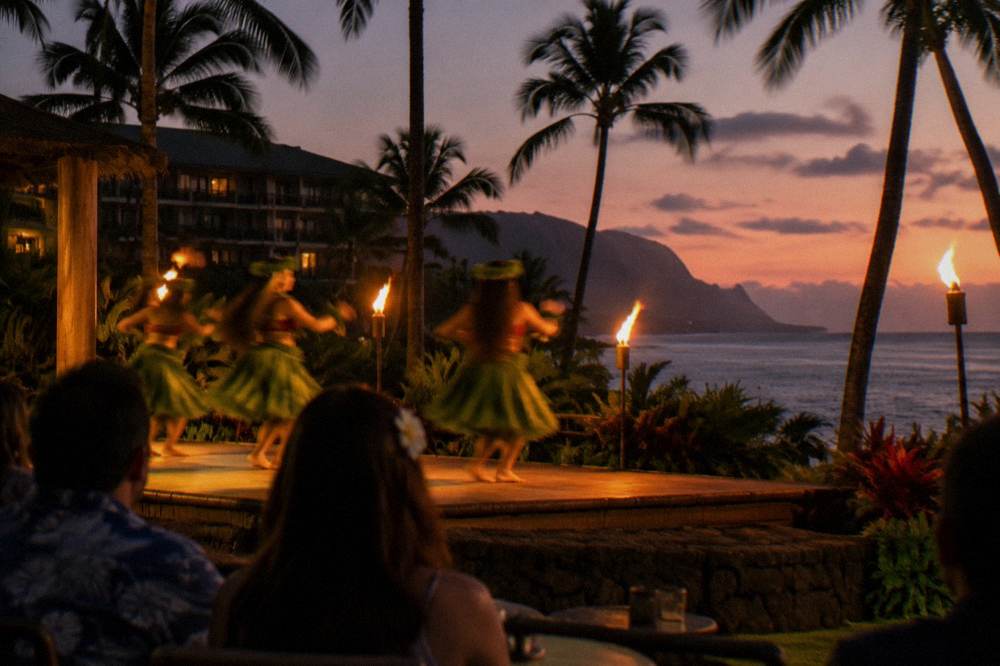
The deeper point this site keeps returning to: on Tours In Kauai Hawaii, the honest answer to "which is most authentic" is always a definition followed by a match, never a crown. A visitor who wants an imu, a lei, and hula kahiko has a clear pick. A visitor who wants a Broadway-scale Polynesian night on a plantation estate has an equally clear one. The disappointment cases come from mismatches, booking the spectacle when you wanted the ceremony, or the reverse.
Two practical closers. First, whatever you choose, confirm the operator's current schedule on the live listing before locking your date; evening shows shift days and times seasonally and any estate venue can pause for maintenance. Second, book the luau early in your trip planning, not at the end: it is the single most date-constrained evening activity on the island, and the best tiers sell out first.
Common Questions About The Most Authentic Luau In Kauai
What Is The Most Authentic Luau In Kauai?
By traditional-format markers, a lei greeting, dinner, and a hula-centered show, Luau Ka Hikina (4.6 from 851 reviews, from $183.25 per person) is the roster's strongest pick. But authenticity has several definitions, and the theatrical Luau Kalamaku and the traditional-format Wailua Nui each win on different markers.
Is Luau Kalamaku Authentic?
It is a genuine Polynesian theatrical production rather than a community-format luau. If authentic means scale, craft, and spectacle in a plantation setting, it qualifies; if it means an intimate traditional evening, Luau Ka Hikina or Wailua Nui fit better.
How Much Does A Luau In Kauai Cost?
Bookable luau tickets range from $175 (Wailua Nui) to $259.69 (Kalamaku Manor House four-course), with Ka Hikina at $183.25 and the Kalamaku buffet at $186.52. Tiers and dinner format, not the venue, drive most of the spread.
What Should I Look For To Judge A Luau's Authenticity Myself?
Four markers: an imu-cooked pig with an unearthing ceremony, a custom greeting such as a lei, dance with a visible hula lineage rather than a pure revue, and local performers and hosts. Check guest reviews for the words imu, lei, and ohana as practical signals.
Do Any Kauai Luaus Include A Lei Greeting?
Yes. Luau Ka Hikina's standard admission, from $183.25 per person, includes the lei greeting along with dinner and the show, making it one of the few roster luaus where the greeting is in the base ticket rather than an upgrade.
Are Fire Knife Dances Hawaiian?
No, the fire knife is a Samoan tradition, commonly included in pan-Polynesian luau revues across Hawaii. It is authentic to Polynesia and spectacular to watch, but a show built mainly around fire knives is a Polynesian revue rather than a hula-centered Hawaiian program.