What Is The Hardest Hike In Kauai?
A deep look at Kauai’s most demanding trails, from the legendary Kalalau Trail to steep waterfall climbs, with verified distances and what you need to know before you go.
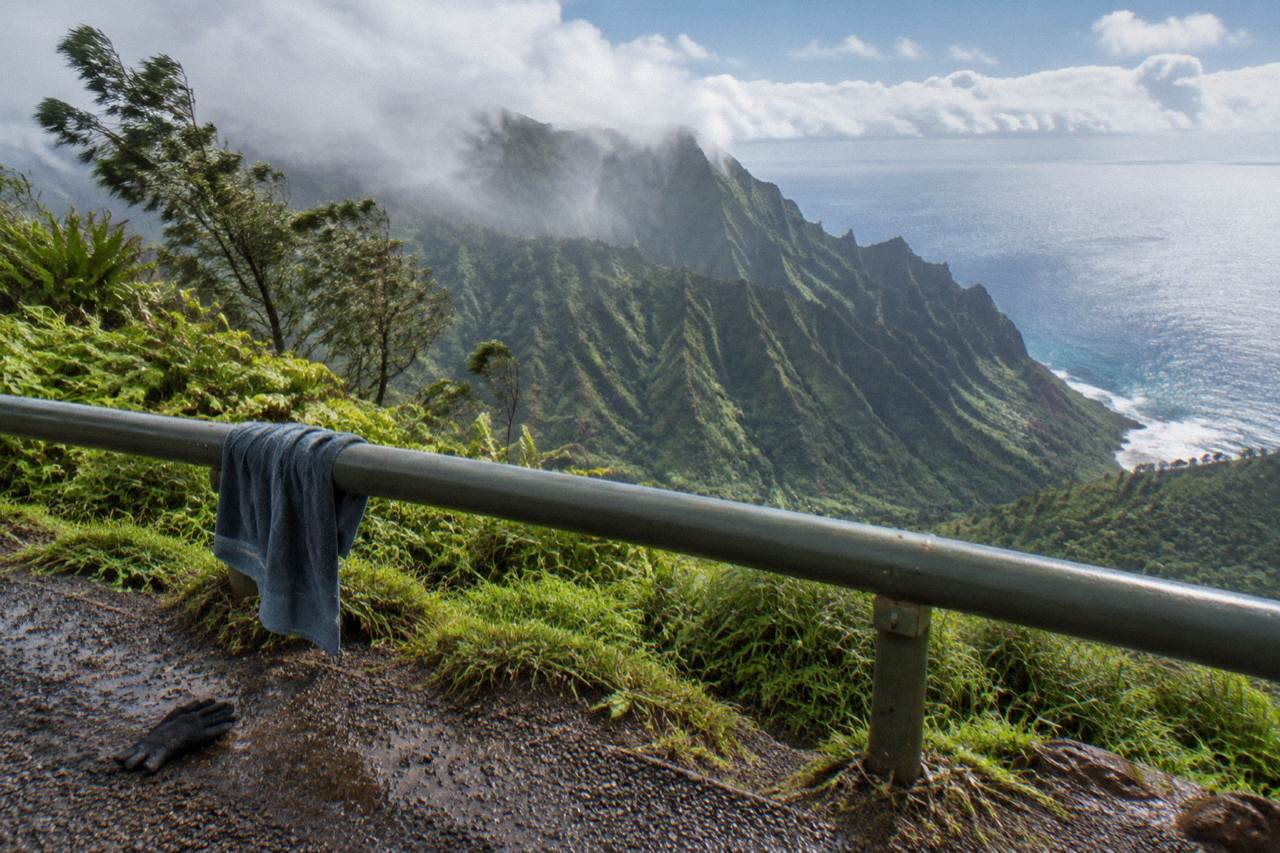
The Kalalau Trail owns the title of the hardest hike on Kauai, and for good reason (see Kalalau Trail Vs Tour). It is an 11-mile one-way trek along the Na Pali Coast, hugging cliffs that drop hundreds of feet straight into the ocean. The trail is narrow, often muddy, and crosses several stream valleys. The full hike ends at Kalalau Beach, a remote strip of sand only reachable by foot or boat. Most hikers who attempt it take two days, camping at Kalalau Valley, and even that is a serious physical challenge. The Tours In Kauai Hawaii team has examined the official trail data and spoken with local guides to give you a clear picture of what makes this hike so demanding and how to approach it safely. Whether you are planning to tackle the full Kalalau Trail or just want to understand why it is so tough, this guide covers the verified distances, the terrain, and the preparation you need.
What Is The Hardest Hike In Kauai?
The hardest hike on Kauai is the Kalalau Trail, an 11-mile one-way coastal route with steep cliffs, constant elevation change, and remote camping. The DLNR classifies it as strenuous, requiring a valid camping permit to go beyond the two-mile point. Even the first two miles to Hanakapiʻai Beach are tough, making this the island’s most physically demanding footpath.
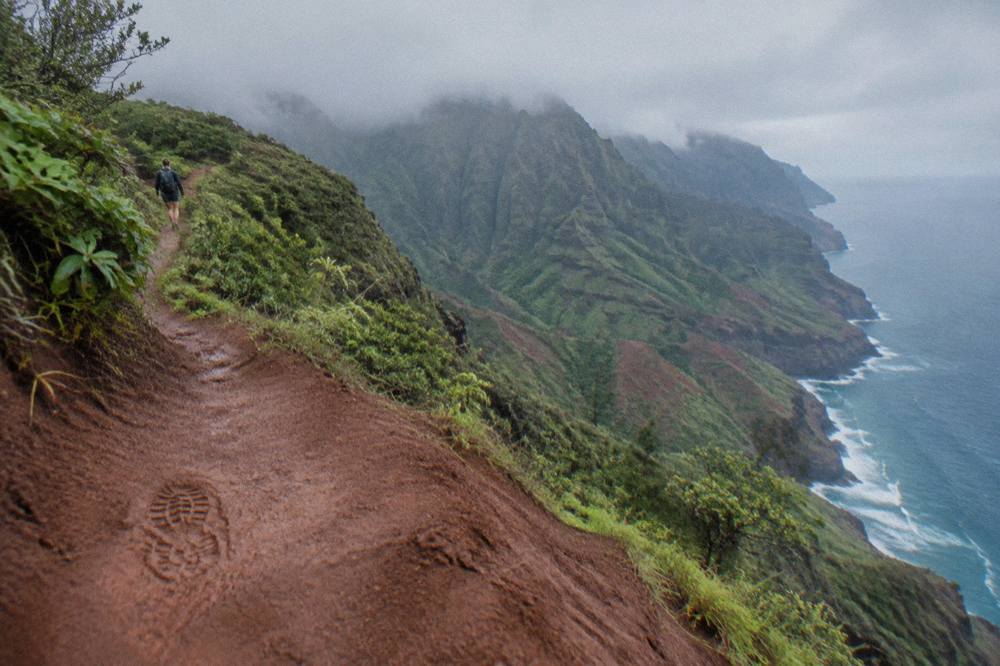
The Kalalau Trail starts at the end of the road at Haʻena State Park, on Kauai’s north shore. From the trailhead, it climbs immediately onto a rocky coastal shelf. The first half-mile includes a steep ascent that will have your heart pounding before you even round the first bend. After that, the trail undulates along the cliffs, with constant up-and-down sections that wear on your legs. The footing is often uneven, with loose rock and exposed tree roots. The trail is only about two feet wide in many places, and a slip could send a hiker tumbling down a steep slope. This is not a hike to take lightly.
The official distance of 11 miles one way comes from the DLNR’s own page for the Nāpali Coast State Wilderness Park. That page lists the Kalalau Trail at 11 miles and the side trail to Hanakapiʻai Falls at 4 miles round trip from Hanakapiʻai Beach. Those are the only two distances verified on the official site, and they are the ones we use throughout this article. Other trails on Kauai are certainly hard, but none combine length, exposure, and remoteness the way the Kalalau Trail does.
The trail’s difficulty is amplified by the weather. The north shore can receive heavy rain at any time, and a sudden downpour turns the dirt path into a slick, treacherous slide. Stream crossings that were ankle-deep in the morning can become impassable by afternoon. The DLNR warns hikers to check the weather forecast and never attempt the trail during a flash flood watch. When the park is open, rangers may close the trail if conditions are dangerous. This is one reason many hikers choose to go with a guide who knows the terrain and can read the water levels.
Why Is The Kalalau Trail So Difficult?
The Kalalau Trail combines extreme length, knife-edge exposure, and a remote location with no easy exit. The 11-mile one-way distance is only part of the story. The trail climbs and descends repeatedly, crossing steep gullies and narrow ledges. Heat, humidity, and frequent rain add to the physical toll. Hikers must carry all their own water and food, and the only way out is the same trail back.
The elevation profile is punishing. The trail starts near sea level, climbs to a high overlook, then drops back to sea level at Hanakapiʻai Beach at mile two. From there, it climbs again before dropping into Hanakoa Valley at mile six. The final stretch to Kalalau Beach climbs again before a long descent. The total elevation gain on the one-way trip is substantial, according to hiker GPS tracks, though the DLNR does not publish an official figure. That is a lot of climbing with a heavy pack.
The exposure is what gets the most attention. Several sections of the trail are cut into a near-vertical cliff face with a drop of hundreds of feet to the ocean below. There are no guardrails. The trail is wide enough for one person, and passing another hiker requires careful positioning. In wet conditions, these sections become extremely slippery. The wind can also pick up, making balance difficult. This is not a hike for anyone with a fear of heights.
The remoteness adds another layer of difficulty. Once you pass Hanakapiʻai Beach, you are committed. There is no road access, no cell service, and no ranger station until Kalalau. If you twist an ankle, you have to walk out on your own or wait for a helicopter rescue, which is not guaranteed. The DLNR requires that anyone going beyond Hanakapiʻai carry a valid camping permit, and rangers do check. The permit system limits the number of people on the trail, which helps preserve the wilderness character but also means you cannot just show up and hike.
Water management is a serious concern. There are streams along the trail, but all water must be treated. Giardia and other pathogens are present. Hikers need to carry a reliable filter or purification tablets. The heat and exertion mean you will drink more than you expect. A general rule is one liter per hour of hiking, and on a hot day you may need more. There are no water spigots or facilities anywhere on the trail. You carry everything in, and you carry everything out.
The mental challenge is often underestimated. The trail is relentless. Just when you think you have finished a tough climb, the path drops into a valley and you have to climb right back out. The constant focus required on the narrow ledges wears you down. Many hikers report that the section between Hanakoa and Kalalau, around mile seven, is the most draining because the terrain is less scenic and the fatigue has set in. This is not a hike where you can zone out. Every step requires attention.
What Other Challenging Hikes Exist On Kauai?
While the Kalalau Trail is the hardest, the Hanakapiʻai Falls trail is a strenuous day hike that demands respect. It is a 4-mile round trip from Hanakapiʻai Beach, climbing through bamboo forests and over boulders to a 300-foot waterfall. The trail gains significant elevation and involves multiple stream crossings. The DLNR lists it as a separate spur, and hikers need a Haʻena State Park entry reservation when the park is open.
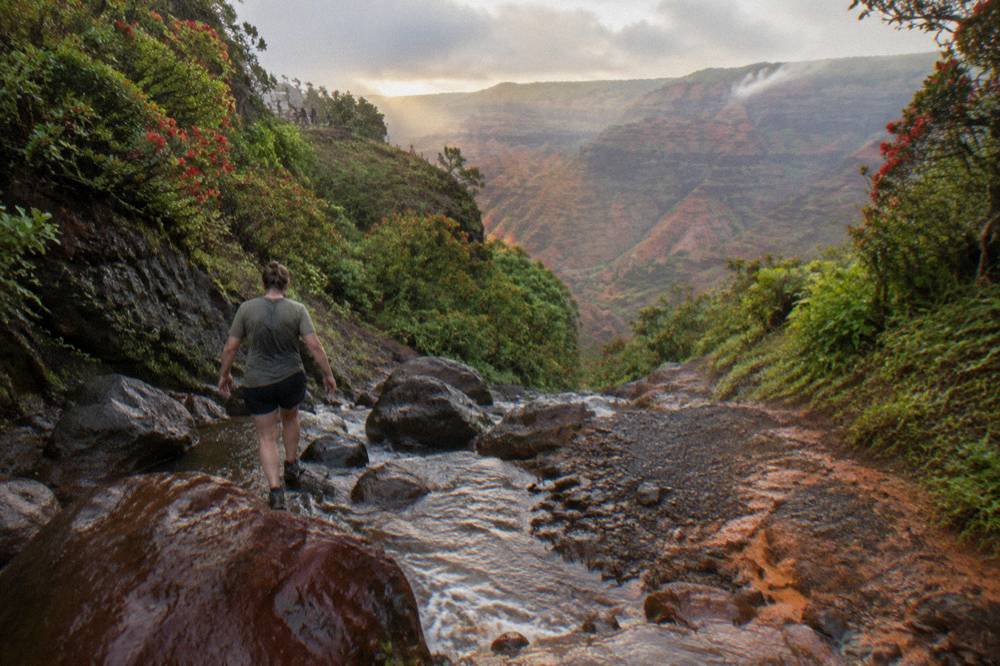
The Hanakapiʻai Falls trail branches off the Kalalau Trail at the two-mile mark. After reaching Hanakapiʻai Beach, you turn inland and follow the stream up a narrow valley. The trail is less exposed than the coastal section, but it is rocky and often muddy. You will cross the stream several times, and the rocks can be slick. The final approach to the falls requires scrambling over large boulders. The waterfall itself is a dramatic plunge into a cold pool, and many hikers take a quick swim before heading back.
The round-trip distance of 4 miles from the beach may sound short, but the terrain makes it a full-day outing for most people. The stream crossings can be dangerous after heavy rain, and the DLNR warns hikers to turn back if the water is rising. This trail is often attempted by people who have hiked to Hanakapiʻai Beach and want to add a challenge. It is not a beginner hike. The total distance from the trailhead to the falls and back is about 8 miles, which is a long day on rough ground.
Other trails on Kauai are known to be tough, but their exact distances are not published on the official DLNR site. The Awaʻawapuhi Trail in Kōkeʻe State Park is a steep descent down a ridge to a viewpoint over the Na Pali Coast, with a grueling climb back up. The Nuʻalolo Trail is similar, dropping into a valley with switchbacks that test your knees. The Pihea Trail follows the rim of Kalalau Valley and can be extremely muddy. Without verified distances from the DLNR, we cannot give precise numbers for these routes. When the parks are open, you can check the trailhead signs and the DLNR’s OuterSpatial app for current conditions.
| Trail | Distance (miles) | Notes |
|---|---|---|
| Kalalau Trail | 11 (one way) | Rugged coastal trail, cliff exposure, camping permit required beyond Hanakapiʻai. |
| Hanakapiʻai Falls Trail | 4 (round trip from Hanakapiʻai Beach) | Steep, rocky climb to a 300-foot waterfall, multiple stream crossings. |
| Awaʻawapuhi Trail | Not verified on DLNR site | Steep ridge descent in Kōkeʻe; check trailhead for current distance. |
| Nuʻalolo Trail | Not verified on DLNR site | Switchback-heavy valley trail; check trailhead for current distance. |
The table above shows the two trails with DLNR-verified distances and two others that are widely considered strenuous but lack official distance figures on the state’s website. If you are researching hard hikes on Kauai, start with the Kalalau Trail and Hanakapiʻai Falls trail, then explore the Kōkeʻe and Waimea Canyon options once you have built up your fitness and checked the current access status. For days when you want scenery over struggle, the guide to Kauai's most beautiful trails compares waterfall paths and canyon ridgelines so you can pick a gentler payoff.
How To Prepare For A Hard Hike In Kauai
To prepare for a hard hike on Kauai like the Kalalau Trail, you must train your body for steep, muddy terrain, secure entry reservations for Haʻena State Park and a camping permit if going beyond Hanakapiʻai, and pack at least three liters of water, high-energy food, a first-aid kit, and a water filter.
The entry reservation system for Haʻena State Park is managed through the Go Haena website. When the park is open, non-residents pay an entry fee of $5 per person and a parking fee of $10 per vehicle, or they can book a shuttle ticket. The shuttle and entry combination runs about $40 to $45 for ages 16 and up. Reservations open 30 days in advance and fill quickly, especially for morning slots. The DLNR rules prohibit all commercial activity inside the park, so guided hikes do not operate within Haʻena State Park itself. That means if you want to hike the Kalalau Trail, you are on your own or with a private group.
For the Kalalau camping permit, you must apply through the state’s camping reservation system. Permits are available 90 days in advance and are limited to a set number of campers per night. The cost is $25 per person per night for non-residents. Rangers patrol the trail and check permits at Kalalau Beach. If you are caught without one, you can be cited and escorted out. The permit system is strict, and it is one reason the trail maintains its wild character.
Physical training should start at least two months before your trip. You want to be comfortable hiking 8 to 10 miles with a 20-pound pack over hilly terrain. Stair climbing, lunges, and core work help with the constant up-and-down. The heat and humidity on Kauai can be draining, so if you are coming from a cooler climate, plan to acclimate for a few days before attempting a hard hike. Start early in the morning to avoid the midday sun, and know your turnaround time.
Footwear is critical. Sturdy hiking boots with good ankle support and aggressive tread are the minimum for the Kalalau Trail. The mud can be deep and slippery. Trail runners are popular with some experienced hikers, but they offer less protection on the rocky sections. Whatever you choose, break them in well before your trip. Blisters on mile three of an 11-mile trail are a serious problem.
Navigation is another piece of preparation. The Kalalau Trail is generally easy to follow, but side trails and stream crossings can be confusing. Carry a map and a compass or a GPS device with the track loaded. Cell service is nonexistent for most of the trail, so do not rely on your phone. Let someone know your planned route and expected return time. This is standard backcountry practice, and it is even more important on a remote trail like this one.
If the full Kalalau Trail feels like too much, a guided hike on private land can give you a taste of Kauai’s rugged interior without the same level of exposure. The Private Jungle Waterfall Adventure, for example, takes small groups into a lush valley with a waterfall, and the guide handles the navigation and safety. This tour is not inside the state park, so it operates under different rules. It is a way to experience a challenging hike with a local expert who knows the terrain. Check the operator’s live listing for current availability, as weather and trail conditions can affect the schedule.
What Permits Do You Need For The Kalalau Trail?
To hike the Kalalau Trail, you need two permits when the park is open: a Haʻena State Park entry reservation and a Kalalau camping permit if you go beyond Hanakapiʻai. The entry reservation is required even for a day hike to Hanakapiʻai Beach. The camping permit is required for anyone staying overnight at Kalalau or Hanakoa. Both are obtained through the state’s online reservation system, and they are separate from each other.
The Haʻena State Park entry reservation can be for a parking spot or a shuttle seat. Parking reservations are per vehicle and include the entry fee for everyone in the car. Shuttle reservations include the shuttle ride and entry fee. The system is designed to limit the number of people on the trail and reduce congestion on the narrow road to Haʻena. When the park is open, the daily limit is strictly enforced. If you show up without a reservation, you will be turned away.
The Kalalau camping permit is a separate reservation. You select your dates and pay the per-night fee. The permit allows you to camp at Kalalau Beach or Hanakoa Valley. Hanakoa is a smaller campsite at mile six, often used as a break point on the way to Kalalau. Both sites have composting toilets, but there is no running water. You must pack out all trash. Campfires are not allowed. The permit system helps protect the fragile coastal environment from overuse.
It is important to understand that these permits are not transferable and are tied to your name. Rangers will ask for identification. If you cannot produce a valid permit, you will be asked to leave. The DLNR has increased enforcement in recent years, and fines are substantial. This is not a trail where you can sneak in. The remote location means that getting caught without a permit can lead to a long, uncomfortable walk out.
Can You Hike The Kalalau Trail In One Day?
You cannot hike the entire 22-mile Kalalau Trail in one day; it's an extremely difficult marathon over rough terrain, and the DLNR prohibits day hiking beyond Hanakapiʻai without a camping permit. Instead, many visitors opt for the challenging 4-mile round trip to Hanakapiʻai Beach, which offers a stunning taste of the trail.
The first two miles to Hanakapiʻai Beach are the busiest section of the trail. It is a strenuous but achievable day hike for fit hikers. The beach itself is beautiful but dangerous for swimming due to strong currents and rip tides. The DLNR has posted warning signs, and drownings have occurred. Many hikers turn around at the beach or continue to the waterfall if they have the energy and the conditions are safe.
Beyond Hanakapiʻai, the trail gets much quieter. The climb out of the valley is steep, and the exposure increases. The section to Hanakoa at mile six is a long, hot grind. If you were to attempt a one-day push to Kalalau and back, you would need to start before dawn and hike well into the night, which is dangerous on the cliff sections. The trail is not lit, and a misstep in the dark could be fatal. The DLNR strongly advises against hiking at night.
The camping option is what makes the full Kalalau Trail feasible for most people. By splitting the distance over two or three days, you can enjoy the scenery and reduce the physical strain. The campsites at Hanakoa and Kalalau are basic but offer a place to rest. You will still need to carry a tent, sleeping bag, stove, and food, which adds weight to your pack. The lighter you can go, the more comfortable you will be, but do not sacrifice safety gear for weight savings.
What Is The Best Time Of Year To Hike Hard Trails In Kauai?
The best time for hard hiking on Kauai is the dry season, which runs from May through September. During these months, the north shore trails see less rain, the streams are lower, and the trail conditions are generally better. The Kalalau Trail and Hanakapiʻai Falls trail are most accessible when the weather is stable. However, even in summer, afternoon showers are common, and the heat can be intense.
The dry season coincides with calmer ocean conditions on the north shore, which is a bonus if you plan to combine hiking with a boat tour or snorkeling. The temperatures are warm but not extreme, with daytime highs in the low to mid-80s Fahrenheit. The humidity is lower than in the wet season, which helps with cooling. This is the window when most hikers tackle the Kalalau Trail, and permits are hardest to get.
The wet season presents a different set of challenges. The trail can become a muddy river, and the stream crossings can rise quickly. The DLNR may close the trail during flash flood warnings, and even if it is open, the conditions can be miserable. The north shore also gets large swells from October through April, which can affect the coastal sections of the trail with high waves and spray. Hiking during this season requires careful weather monitoring and a willingness to turn back if conditions deteriorate.
Regardless of the season, start your hike early. The morning hours are cooler and the light is better for photography. Afternoon clouds often build over the mountains, bringing rain and reduced visibility. If you are doing a long day hike, aim to be off the trail by mid-afternoon. This gives you a buffer in case you move slower than expected or encounter an obstacle.
What Should You Pack For A Strenuous Kauai Hike?
A packing list for a hard Kauai hike starts with water, food, and navigation. You need at least three liters of water per person, a water filter or purification tablets, and high-energy snacks. Sturdy hiking boots, a rain jacket, and a first-aid kit are non-negotiable. For the Kalalau Trail, you also need a tent, sleeping bag, stove, and a permit. A headlamp, map, and whistle are essential safety items.
Water is the heaviest item in your pack, but it is also the most important. There are streams along the trail, but they are not always flowing, and they can be contaminated. A reliable water filter, such as a pump or gravity filter, is the best option. Bring backup purification tablets in case the filter fails. Do not drink untreated water. The risk of giardia is real, and an intestinal illness on the trail can quickly become a medical emergency.
Food should be calorie-dense and easy to eat on the move. Trail mix, energy bars, dried fruit, and jerky are good choices. For an overnight trip, bring dehydrated meals that only require boiling water. A lightweight stove and fuel canister are necessary. Open fires are not allowed on the Kalalau Trail, so you must cook on a stove. Pack out all food waste and packaging. The trail has no trash cans, and leaving food behind attracts pests.
Clothing needs to handle both heat and rain. A lightweight, long-sleeve shirt protects against the sun. Quick-dry pants or shorts are better than cotton, which stays wet and causes chafing. A wide-brimmed hat and sunglasses reduce glare. A rain jacket is essential, even in the dry season. The weather can change in minutes. Bring an extra layer for the evenings, as temperatures drop at the campsites.
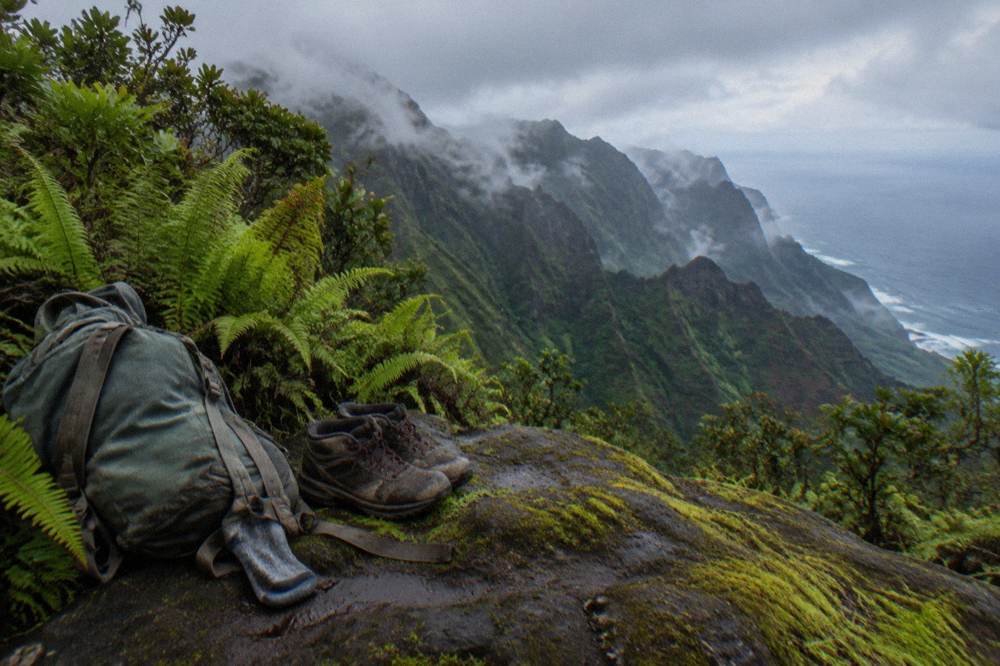
Safety gear includes a first-aid kit with blister treatment, antiseptic wipes, bandages, and any personal medications. A whistle can signal for help if you are injured. A headlamp with extra batteries is critical if you are caught out after dark. A map and compass or a GPS device with the trail loaded are your navigation tools. Do not rely on your phone. Cell service is spotty at best and nonexistent for most of the Kalalau Trail.
| Item | Why It Matters |
|---|---|
| Water (3+ liters) | Dehydration risk is high; streams require treatment. |
| Water filter or tablets | Giardia and bacteria are present in all surface water. |
| Sturdy hiking boots | Uneven, muddy terrain demands ankle support and grip. |
| Rain jacket | Sudden downpours are common even in the dry season. |
| First-aid kit | Blisters, cuts, and sprains are the most common injuries. |
| Map and compass/GPS | Cell service is unreliable; navigation tools are essential. |
| Headlamp | Unexpected delays can leave you on the trail after dark. |
| Permit (if required) | Rangers check permits; fines apply for non-compliance. |
The table above covers the core gear for any strenuous Kauai hike. If you are camping, add a lightweight tent, sleeping bag rated for tropical nights, a stove, and a bear canister or odor-proof bag for food. The weight adds up quickly, so test your fully loaded pack on a training hike before you arrive on the island. And once the trail is behind you, our guide to finding a luau in Kauai that actually feels authentic helps you plan a well-earned evening of food and music.
Are There Guided Hikes For Difficult Trails?
Guided hikes on Kauai are available for many challenging trails, but they operate on private land or in areas outside the state parks. The Kalalau Trail and Hanakapiʻai Falls trail are inside Haʻena State Park, where commercial guiding is prohibited. This means you cannot hire a guide to lead you on those specific trails. However, several operators offer guided waterfall hikes, jungle treks, and ridge walks on private property that rival the difficulty of the state park trails.
The best hiking tours on Kauai include options like the Private Jungle Waterfall Adventure, which takes small groups into a remote valley with a guide who knows the land. This tour is rated 5 from 143 reviews and is priced per group, making it a good fit for families or small parties who want a challenging hike without the logistical headaches. The guide handles navigation, stream crossings, and safety, so you can focus on the experience.
Another option is the Guided Hike and Waterfall Swim, a 2-hour tour that is less intense than a full-day trek but still gets you into Kauai’s lush interior. It is rated 4.8 from 79 reviews and starts from $93.19 per person. The hike includes a swim at a waterfall, and the guide provides insight into the local plants and history. This tour is a good introduction to Kauai hiking and can help you gauge your fitness for longer, self-guided trails.
For those who want to see the Na Pali Coast without hiking the Kalalau Trail, a boat tour offers a completely different perspective. The Amelia K Day Boat Tour is a 5-hour catamaran trip that runs along the coast, with snorkeling stops and views of the sea caves and cliffs you would see from the trail. It is rated 4.9 from 2,052 reviews and starts at $227.13 per person. This is a popular choice for visitors who want the scenery without the physical demand of the hike. You can check availability on the operator’s live listing.
Common Questions About Hard Hikes In Kauai
What Is The Hardest Hike In Kauai?
The Kalalau Trail is the hardest hike on Kauai. It is 11 miles one way along the Na Pali Coast, with steep cliffs, constant elevation change, and remote camping. The DLNR requires a camping permit to go beyond Hanakapiʻai, and the trail is only open when the park is not closed for weather or other hazards.
Is The Kalalau Trail Dangerous?
The Kalalau Trail has inherent risks from exposure, slippery conditions, and stream crossings. Several hikers have fallen from the cliff sections over the years. The DLNR posts warning signs and may close the trail during hazardous conditions. Proper preparation, good footwear, and checking the weather can reduce the risk, but the trail is never completely safe.
Can You Hike To Kalalau Beach Without A Permit?
No. Anyone going beyond Hanakapiʻai Beach must carry a valid camping permit. Rangers patrol the trail and check permits at Kalalau Beach. Hiking without a permit can result in a citation and removal from the park. The permit system is strictly enforced to protect the wilderness area.
How Long Does It Take To Hike The Kalalau Trail?
Most hikers take two days to complete the one-way hike, camping overnight at Kalalau Beach. A fast, fit hiker with a light pack can do it in one long day, but that is not recommended. The round trip is typically done in three days. The day hike to Hanakapiʻai Beach and back takes about two to three hours each way.
What Is The Second Hardest Hike On Kauai?
The Hanakapiʻai Falls trail is the second hardest verified hike. It is a 4-mile round trip from Hanakapiʻai Beach, climbing over boulders and crossing streams to a 300-foot waterfall. The trail is steep and often muddy, and it requires a Haʻena State Park entry reservation when the park is open.
Do I Need A Guide For The Kalalau Trail?
Commercial guiding is not allowed inside Haʻena State Park, so you cannot hire a guide to lead you on the Kalalau Trail. You must hike it independently. For guided hiking experiences on Kauai, look for tours on private land, such as waterfall hikes and jungle treks, which offer a challenging experience with a local guide.