Is A Kauai Helicopter Tour Safe
Helicopter accidents on Kauai make headlines, and that news sends a lot of people searching for answers before they book. Here is what the regulatory record, the operator listings and the island's weather patterns actually say about risk.

Short answer
Kauai helicopter tours are operated under FAA Part 135 air-taxi rules, the stricter commercial standard, with two pilots or approved single-pilot programs, mandatory briefings and headset intercoms. Accidents are rare but real, weather is the dominant factor, and operators cancel flights in poor conditions. The most useful safety step a passenger controls is reading the listing and the operator's own safety information before booking.
Is A Kauai Helicopter Tour Safe?
Kauai helicopter tours fly under FAA Part 135 air-taxi rules, the stricter commercial standard that governs scheduled sightseeing operators, with mandatory pre-flight briefings, life vests, intercom headsets and stated weight policies. Accidents do happen, and no operator on this island can be called the safest. What the record does show is that weather is the dominant factor, which is why cancellations and reschedules are a normal, healthy part of helicopter tourism here. If a weather cancellation leaves you with a free afternoon, our beginner's guide to scuba and snuba on Kauai explains how to see the island from below the waterline instead.
The question usually arrives after a news story. Someone searches "kauai helicopter crash," reads a headline, and then faces a decision: book the flight or skip it. That is a reasonable reaction, and it deserves a straight, unsensational answer rather than reassurance or alarm. If you end up deciding against the flight, plenty of the island's famous falls can still be reached on foot, and our guide to Kauai waterfalls you can hike to without a helicopter covers the best options.
What we compared for this guide is the public regulatory framework, the operator listings on this site's roster, and the climate record. No specific accident statistics are printed here, because none of the sources we were given supply verified numbers. Where a figure is not available, we say so plainly, and we point to what you can check yourself: the operator's own safety information and the details printed on the live listing.
One framing point before anything else. Commercial helicopter sightseeing on Kauai is a mature industry with several long-established operators, including Blue Hawaiian Helicopters, Safari Helicopters, Air Kauai Helicopters, Jack Harter Helicopters and Mauna Loa Helicopters, all of which appear on the roster below. The flagship listings carry ratings in the 4.8 range across review pools from the hundreds to the thousands, for example the Eco Adventure Helicopter by Blue Hawaiian at 4.8 from 2,065 reviews. Those numbers describe customer experience, not safety ranking, and this guide never uses them as one. If you would rather stay closer to the treetops than the clouds, our guide to the best zipline courses on Kauai covers another way to see the island from above.
What Does The FAA Require Of Kauai Tour Operators?
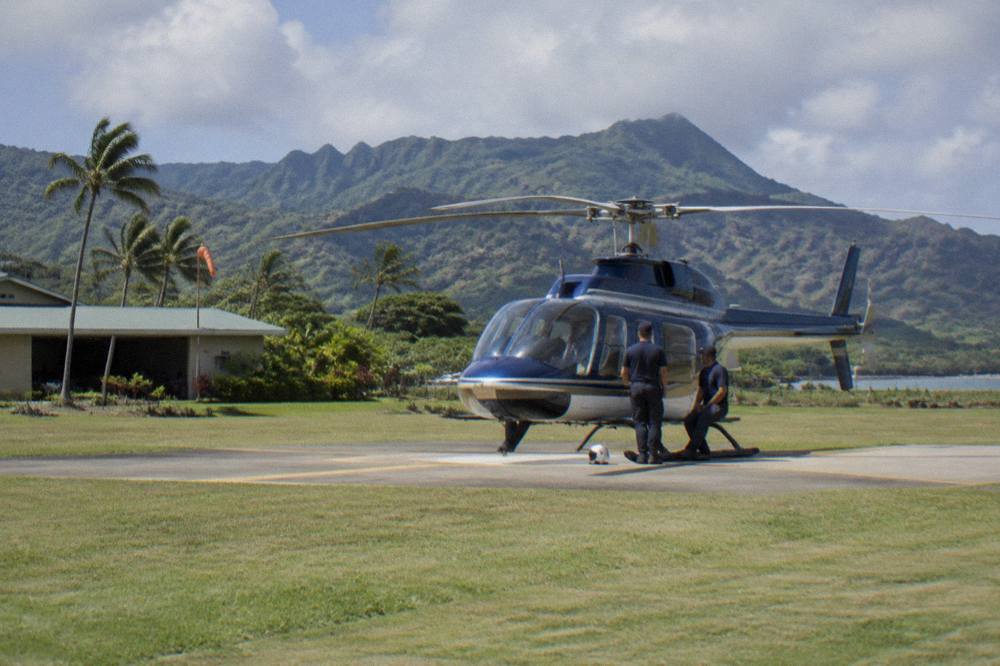
Sightseeing helicopter operators in Hawaii operate under FAA Part 135, the commuter and on-demand air-carrier rule that sets stricter requirements for pilots, aircraft maintenance and flight procedures than the private-flying standard. The rule covers pilot flight-experience minimums, recurring training and check rides, aircraft inspection cycles, and weather minimums for departure. Tour operators also hold FAA air-tour specific approvals, and doors-off flights follow their own harness and loose-item protocols.
Part 135 is the same regulatory family that governs medical evacuation and regional charter flying. For a passenger, the practical meaning is layered oversight: the operator must hold an operating certificate, its pilots must pass periodic checks, and its aircraft must follow a maintenance program the FAA approves. The doors-off research we reviewed notes that major Kauai operators hold Part 135 certificates and that doors-off flights run strict protocols: full harnesses, tethering, and no loose items that could strike the tail rotor or fall from the aircraft. If you want that same kind of confidence on the water, our guide to choosing a Kauai fishing charter explains what licenses, vessel checks, and safety gear a reputable captain should have.
What the sources we were given do not contain are specific FAA or NTSB accident statistics for Kauai. We will not invent a crash count, a fatality figure or a per-flight-hour rate. If you want that data, the NTSB's own aviation accident database is the primary source, and it should be read there rather than secondhand. What we can say is that the regulatory structure exists, it is federal, and it is not self-policing. For travelers who would rather keep their adventure closer to the water, Kauai surf lessons for beginners explains what a first session on the waves actually looks like.
Here is how the rules translate into things you can actually verify as a shopper, using only what operators themselves publish. If a listing does not state an item below, ask before you pay.
| What to check | Why it matters | Where to find it |
|---|---|---|
| Weight policy and seat assignment | Part 135 requires weight-and-balance calculations; honest listings state per-seat or per-passenger limits | The listing's requirements section |
| Doors-off harness protocol | Doors-off flight means full harness and no loose items, per operator safety rules | The listing's what-to-expect section |
| Passenger minimum age | Doors-off listings commonly set a minimum age, often around 10 | The listing's age rules |
| Safety briefing and headsets | Mandatory briefing plus intercom headsets are standard on Part 135 tours | Listing inclusions |
| Cancellation and reschedule terms | Weather reschedules are normal; clear terms tell you how they are handled | The operator's booking page |
That table is the honest core of this whole topic. Regulators watch the operator; your job as a passenger is to read what the operator publishes and match it against your own situation, which is exactly the checklist approach we expand in the next section.
How Should You Read A Tour Listing For Safety?
Read the listing for four things before price: the passenger count per flight, the briefing and equipment language, the weight and age policy, and the cancellation terms. A listing that states small group size, seat belts for every seat, headsets for every passenger and a clear weight policy is showing you its operational discipline. Vague listings are not automatically unsafe, but they give you nothing to plan against, and you are entitled to ask the operator directly.
Group size matters for two reasons. First, smaller loads mean the crew can brief and monitor every passenger properly, and several Kauai listings are built around exactly that. The Private Doors-Off Waterfall Flight by Ali'i Kauai Air Tours carries a 5.0 rating from 1,794 reviews and is priced from $425 per person on a private basis, which is the small-load format taken to its limit. Second, weight-and-balance is a live calculation on every helicopter flight, so a stated weight policy is a sign the operator treats the aircraft the way the rules require.
Helmet and harness language matters most on doors-off products. Every doors-off listing in our research describes harnesses, tethers and loose-item bans, and that is not decoration; it is the operating protocol for open-door flight.
The three flights above are useful study cases in reading a listing. The Eco Adventure Helicopter by Blue Hawaiian, from $489 per person for about 50 minutes, is a doors-on circle-island product with the largest review pool on the helicopter roster, 4.8 from 2,065 reviews. The Waterfall Safari Helicopter by Safari Helicopters, from $335.70 for about 55 minutes, targets the waterfall corridors. The Air Kauai Doors-Off Flight, from $402.09 for about 50 minutes, is the open-door format where harness protocol becomes the central safety fact. Three operators, three formats, one lesson: the listing tells you what discipline to expect if you read it for equipment and policy rather than scenery promises.
Beyond the roster, the deeper comparisons are on sibling pages of this site. If you are weighing the choice of operator and format, start with the guide to the best Kauai helicopter tour and the question of which Kauai helicopter tour has the best safety record, which tackles the operator-comparison question directly and with the same no-ranking discipline used here.
A note on booking posture, because it is a safety behavior in disguise. Book for a date early in your trip, not your last day, so a weather reschedule does not cost you the flight entirely. Operators here treat weather reschedules as routine, and free reschedule or refund practice in poor conditions is common across the industry; confirm the exact terms on the listing you book.
What Causes Helicopter Accidents In Hawaii?
The accident record for helicopter tours in Hawaii, as analyzed by federal investigators over the years, points overwhelmingly to weather-driven decisions: flights into cloud, fog or deteriorating visibility in mountainous terrain, sometimes combined with the pressure of a paid sightseeing itinerary. Mechanical failure and passenger factors exist but are secondary. No verified Kauai-specific statistics appear in the sources for this guide, so we describe the pattern rather than print numbers we cannot source.
This is the section people searching "kauai helicopter crash" most need, and it is where restraint matters most. The honest summary of publicly available investigative work on Hawaii air tours is that controlled flight into terrain in poor visibility is the recurring theme, that island microclimates make that risk real on any given day, and that the regulatory response has tightened weather minimums and tour routing over time. For exact counts, dates and findings, the NTSB database is the primary record, and reading it firsthand beats any summary a travel site can offer.
Kauai's terrain amplifies the weather factor. The island's interior ridges and valleys create rapidly changing cloud cover, and a flight that departs in clear conditions can meet fog on the windward side of a ridge minutes later. That is why the departure decision, and the mid-flight reroute decision, carries more safety weight than any single piece of equipment.
The passenger-facing consequence of all this is cancellations. A full day of flights scrubbed for weather is the system working, not failing. Operators here would rather reschedule a booked seat than fly a marginal route, and the listings' reschedule terms reflect that. Treat a cancellation as the operator spending its risk budget on your behalf.
Doors-Off Or Doors-On: Which Format Is Safer For You?
Both formats fly under the same Part 135 rules with the same pilots and weather minimums, so the safety difference is not the doors but the harness system and the passenger. Doors-off means a full harness with tethering, stricter loose-item rules and usually a minimum age near 10; doors-on means conventional seat belts and an enclosed cabin.
The rest of the choice is about you. If you will follow the harness protocol exactly, doors-off is a regulated, widely flown format; if you want fewer rules to follow, doors-on is the simpler choice. Neither format is inherently the risky option, and both are flown daily by the same certified crews.
The doors-off format draws photographers and proposal planners; the doors-on format draws families and first-time flyers. What creates risk in doors-off flight is passenger behavior: unsecured phones, hats, loose clothing, or unbuckling anything at the wrong moment. The protocol exists because the aircraft is fully capable with the doors off and the crew fully trained, provided every person aboard treats the harness as non-negotiable.
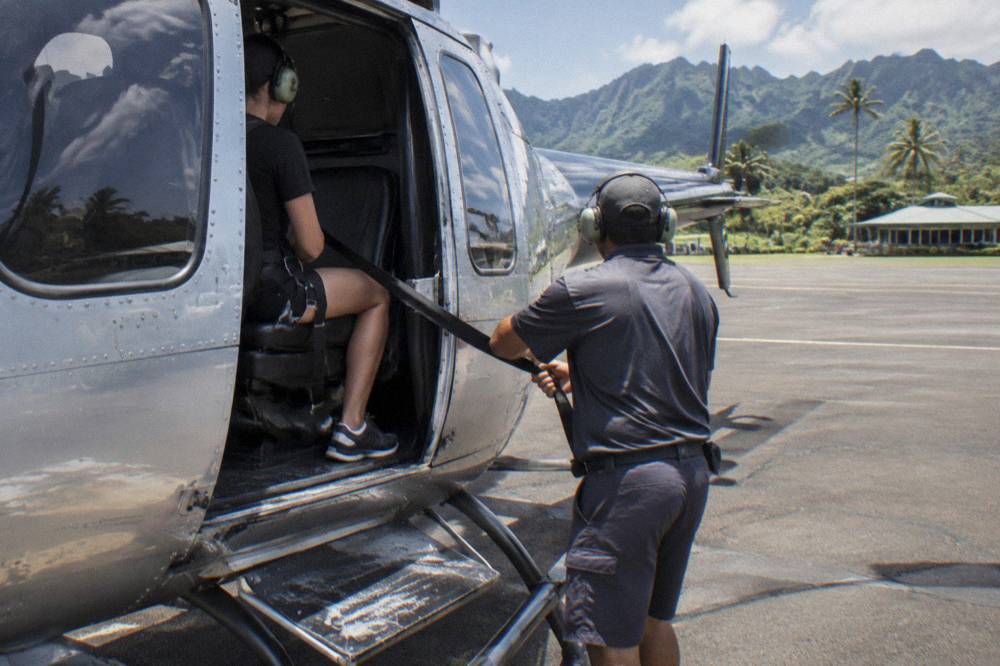
On the roster, the format split is easy to see. The Air Kauai Doors-Off Flight at 4.8 from 545 reviews, from $402.09, and the 60-Minute Doors-Off MD500 by Jack Harter Helicopters, 4.8 from 425 reviews, from $460, are the open-door products. The Doors-On Ohana Helicopter by Air Kauai, 4.8 from 212 reviews at from $348.62, is the enclosed alternative from the same operator. Same island, same rules, different harness.
The Private Doors-Off Waterfall Flight by Ali'i Kauai Air Tours sits at 5.0 from 1,794 reviews, from $425 per person, and it illustrates the small-load doors-off proposition: fewer passengers to brief, monitor and harness, and a private cabin where the protocol is easier to enforce person by person. Its review pool is one of the largest on the helicopter roster.
For a shorter commitment, the 18-Minute Doors-Off Flight by Jack Harter Helicopters at 4.8 from a small pool of 16 reviews, from $221 per person, is the shortest doors-off product on the roster. The small review count means the rating carries less statistical weight than the thousands of reviews elsewhere on this page, and we print the count so you can judge that yourself.
| Factor | Doors-on | Doors-off |
|---|---|---|
| Restraint | Conventional seat belts | Full harness with tethering |
| Loose items | Secured in cabin | Strictly prohibited, nothing unattached |
| Typical minimum age | Often lower, check listing | Commonly around 10 |
| Photography | Through windows | Unobstructed, but no loose cameras |
| Weather exposure | Enclosed cabin | Open air, wind noise, intercom essential |
How Does Kauai Weather Shape Flight Safety?
Kauai's climate makes weather the single biggest variable in helicopter touring: Lihue averages 5.61 inches of rain in March, its wettest month, against 1.75 inches in July, its driest, and the mountainous interior is wetter still. Cloud over the ridges, not rain at your hotel, decides whether a flight departs.
Booking inside the drier April-to-October window and early in the day reduces, but never removes, the chance of a weather scrub. Those rainfall figures come from the NOAA 1991-2020 climate normals for the Lihue airport station, and they describe the town on the dry southeast side, not the interior. The operational reality is that a helicopter route crosses the wettest part of the island regardless of where you are staying, so a sunny morning in Poipu tells you little about the cloud deck over the valleys. Crews make the call route by route.

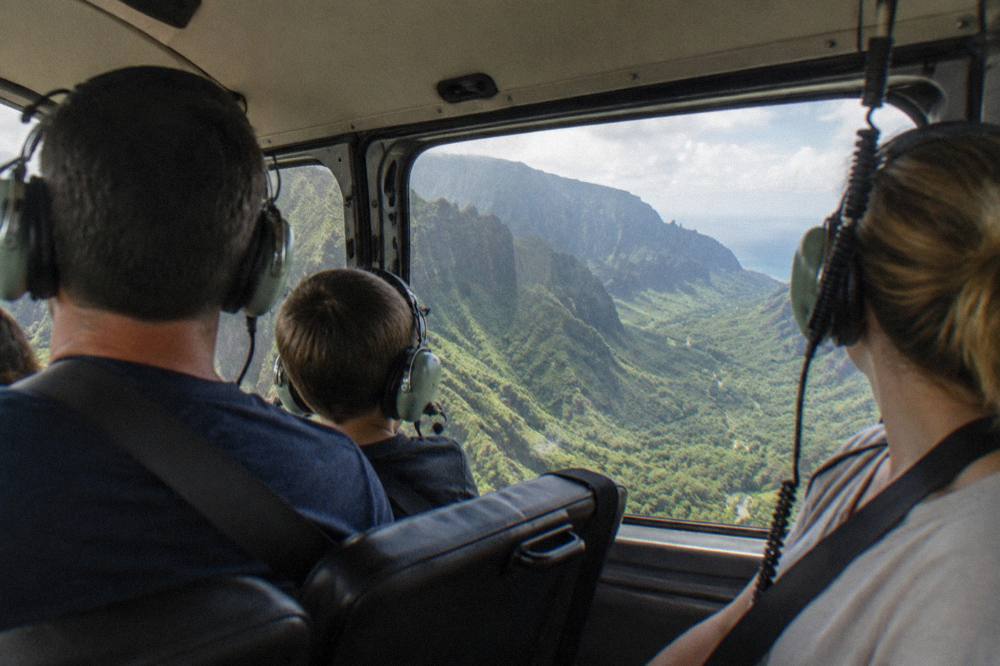
Morning departures help for a specific reason: convective cloud builds through the day over the interior, so early flights more often find the ridges still clear. The research we reviewed on Kauai helicopter touring describes April through October as the window with clearer skies and fewer weather cancellations, while winter months combine more rain with larger north-shore swells that also disrupt boat alternatives. If your helicopter day is scrubbed, the fallback question is real: see the Kauai airplane vs helicopter tour comparison for the fixed-wing alternative, which flies the same scenery under related rules at lower fares, from $155 per person for the Wings Over Kauai air tour.
A practical booking pattern follows from all of this. Pick a morning slot early in your trip, in the drier half of the year if your dates allow, from an operator whose listing states its reschedule terms. Then accept the crew's call without argument on the day. That is not passivity; it is the single largest safety decision you participate in.
What Should You Do Before And During The Flight?
Follow the operator's weight disclosure honestly, wear the clothing the listing specifies, leave loose items on the ground, and treat the briefing as binding rather than ceremonial. In flight, keep the harness or seat belt fastened for the entire trip, use the headset as instructed, and say something if you feel unwell. Passenger compliance is the part of the safety chain the operator cannot supply; everything else on this list is behavior, not equipment.
Weight disclosure deserves emphasis because passengers sometimes understate it to save a fee or avoid a seat reassignment. The aircraft's weight-and-balance calculation only works with real numbers, and the honest figure is a contribution to the flight's safety margin, not a formality. Most doors-off operators publish per-seat limits in the range of roughly 240 to 285 pounds, with group totals on private flights, and those figures vary by aircraft, so read your specific listing.

Dress and medical items are simpler. Closed-toe shoes, restrained hair, no loose hats or scarves on doors-off flights, and motion-sickness remedies taken before boarding if you are prone; helicopters move differently from fixed-wing aircraft, and the windows or open doors give no escape from that sensation. If you are uncertain about medical suitability, ask the operator before booking, and for family decisions the Kauai helicopter tour cost guide covers how these flights fit a budget alongside the planning questions.
The pre-flight checklist below condenses the operator-published rules into a working list. It is deliberately short, because the load-bearing items are few.
| Phase | Do | Do not |
|---|---|---|
| Booking | Give accurate weights, confirm age minimums | Understate weight or age questions |
| Before boarding | Empty pockets, secure or store phones and hats | Bring loose straps, hats or unrestrained cameras on doors-off |
| Briefing | Listen fully, ask about harness release | Treat the briefing as optional |
| In flight | Keep restraints fastened, use the intercom | Unbuckle or reach for anything mid-flight |
| After landing | Wait for crew signal before moving | Exit before rotors have stopped |
Which Passengers Should Think Twice?
Passengers who cannot follow the harness protocol reliably, including very young children on doors-off flights, people with medical conditions affected by vibration and motion, and anyone who might understate their weight, should choose a doors-on format or delay flying. None of these categories is a ban; each is a reason to pick the right format and read the operator's own safety information.
The doors-on products exist partly for this reason. The Doors-On Ohana Helicopter by Air Kauai, about 45 minutes from $348.62 per person with a 4.8 rating from 212 reviews, is explicitly the family-format product in that operator's lineup, and the ohana naming says as much. Private formats like the private doors-off products suit photographers who will follow protocol to the letter.
Fear of flying deserves its own honest paragraph. If news of an accident is what brought you here, the measured answer is that the regulatory framework, the weather-cancel culture and the harness protocols are all real and checkable, and that thousands of guests fly these routes each year and rate them highly, with review pools like 2,065 reviews at 4.8 for the Eco Adventure Helicopter. But no statistic makes the decision for you. If you would spend the flight in fear, a fixed-wing tour or a boat trip is a legitimate choice, and the doors-off helicopter Kauai guide covers the open-door decision in detail for those still weighing it.
The last preparation item costs nothing: confirm the operator's current schedule before your travel dates. Operators adjust departures for demand, weather seasons and island conditions, and the listing you book is the place to verify that your date is live. Flights on this site's roster are bookable for future dates; treat that as a reservation to confirm, not a guarantee of a specific day.
How Do Helicopter Tours Compare On Price And Format?
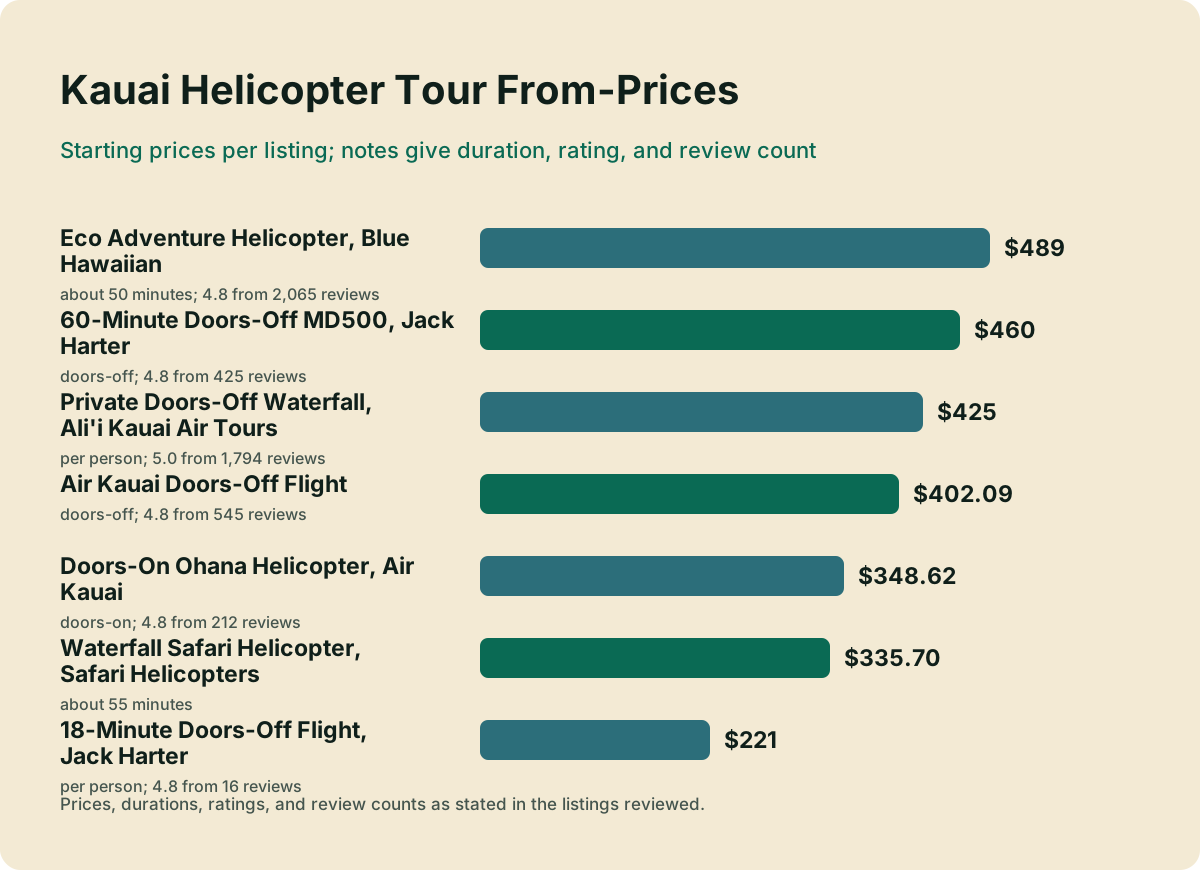
Helicopter tour prices on the roster run from $221 per person for an 18-minute doors-off flight to $579 per person for a Princeville-departure tour, with mainstream circle-island products clustered between roughly $335 and $489. Every rating below is printed with its review count so you can judge the pool yourself. Higher price does not mean safer; it usually means longer flight, private cabin or a premium departure point.
Duration across the roster runs from about 18 minutes to about an hour and 15 minutes, and small review pools are flagged as such. This table uses only roster figures, and it exists because comparing format against price is how most readers actually decide.
| Tour | Operator | Duration | Rating | From |
|---|---|---|---|---|
| Eco Adventure Helicopter | Blue Hawaiian | ~50 min | 4.8 from 2,065 reviews | $489/person |
| Waterfall Safari Helicopter | Safari Helicopters | ~55 min | 4.8 from 963 reviews | $335.70/person |
| Air Kauai Doors-Off Flight | Air Kauai | ~50 min | 4.8 from 545 reviews | $402.09/person |
| Doors-On Ohana Helicopter | Air Kauai | ~45 min | 4.8 from 212 reviews | $348.62/person |
| Private Doors-Off Waterfall Flight | Ali'i Kauai Air Tours | ~1 hr 15 min | 5 from 1,794 reviews | $425/person |
| 18-Minute Doors-Off Flight | Jack Harter | ~18 min | 4.8 from 16 reviews (small pool) | $221/person |
| Princeville Departure Helicopter | Blue Hawaiian | ~45 min | 4.9 from 34 reviews (small pool) | $579/person |
Read the duration column against the price column and the safety picture stays consistent: the short flight is not the risky one, and the expensive flight is not the safe one. Format choice, weather window and passenger compliance are what move the needle, as the sections above lay out. For the broader question of which flight to pick at all, the sibling guide best Kauai helicopter tour does the full comparison work, and this page, as Tours In Kauai Hawaii publishes it, sticks to the safety record and the reading of it.
The Bottom Line On Kauai Helicopter Safety
The honest verdict is that Kauai helicopter tours are regulated commercial aviation, not amusement rides, and the three levers of safety are the operator's FAA-certified operation, the crew's weather decision, and the passenger's protocol compliance. You cannot audit the first but can check what the operator publishes; you cannot control the second but can book smart slots; the third is entirely yours.
Accident statistics beyond that belong to the federal record, not to a travel guide, and any site that hands you a tidy crash rate without citing the NTSB is guessing. What a guide can do is show you where the safety chain is and which links you hold.
Book with an operator whose listing states its rules plainly. Confirm weight and age policies honestly. Choose doors-on or doors-off based on your own willingness to follow the harness protocol, not on which one looks more dramatic. And when the crew cancels for weather, take the reschedule gratefully: that call is the safety system functioning in front of you.
Common Questions About Helicopter Tour Safety In Kauai
Is A Kauai Helicopter Tour Safe?
Kauai helicopter tours operate under FAA Part 135 rules with certified pilots, maintenance programs and weather minimums, so they are regulated commercial aviation rather than casual sightseeing. Accidents are possible and have occurred, with weather the dominant contributing factor. Passengers reduce their own risk by following the harness or seat-belt protocol and accepting weather cancellations.
Which Is Safer, Doors-On Or Doors-Off?
Both fly under the same Part 135 rules with the same crews and weather standards. Doors-off adds a full harness, tethering, loose-item bans and typically a minimum age near 10. If you will follow that protocol exactly, doors-off is a regulated, widely flown format; if you want fewer rules to manage, doors-on with conventional seat belts is the simpler option.
What Should I Check On A Listing Before Booking?
Check four things: the passenger count per flight, the briefing and equipment language, the stated weight and age policy, and the cancellation and reschedule terms. A listing that publishes small group size, seat belts or harnesses, headsets and a clear weight policy is showing operational discipline. Ask the operator directly about anything the listing omits.
Why Do Kauai Helicopter Tours Get Cancelled So Often?
Cloud build-up over the island's interior ridges is the main reason, and Lihue's climate normals show a real wet season, with March averaging 5.61 inches of rain against July's 1.75 inches. Crews cancel or reroute rather than fly marginal visibility, and morning departures in the April-to-October window are scrubbed least often. A cancellation is the safety system working, not a failure.
Are Private Helicopter Tours Safer Than Group Tours?
Safety is not determined by price or privacy; the same Part 135 rules apply. Private formats do mean fewer passengers to brief and monitor and an easier time enforcing the harness protocol person by person. The Private Doors-Off Waterfall Flight, 5.0 from 1,794 reviews and from $425 per person, is the roster's main example of the small-load doors-off format.
Can I Fly If I Get Motion Sick Easily?
Many motion-sensitive guests fly successfully, but helicopters move distinctly and the sensation cannot be escaped in an open cabin. Take remedies before boarding, fly earlier in the day when air is smoother, and tell the crew so they can adjust routing. If anxiety or nausea would dominate the experience, a doors-on flight or a fixed-wing air tour is a reasonable alternative.