Best Time To Visit Kauai
Kauai changes character with the calendar: summer brings calm seas along the north shore, winter brings humpback whales, and the months between carry the island's biggest swings in rain and swell. Matching your dates to the tours you actually want is the single most consequential planning decision on the island.
Short answer
The best time to visit Kauai is May through September for calm seas, Na Pali boat trips and snorkeling, or December through March for whale watching and lush green landscapes. Lihue's driest months are June and July at under two inches of rain each, while March is the wettest at 5.61 inches. Humpback whales run November through April.
Kauai does not have a bad season so much as a set of trade-offs. The same island that serves up glassy summer water along the Na Pali coast serves up twenty-foot northwest swells in the middle of winter, and the same north shore that feels tropical and calm in July can be unswimmable in February. Picking dates without thinking about the tours you want is how people end up booking a raft trip in a swell week or a whale watch in September, when the humpbacks have already left for Alaska. If your dates are flexible enough to consider a different island entirely, this side-by-side comparison of Kauai and Maui explains how the seasonal trade-offs shift from island to island.
The planning math is simpler than it looks. Three patterns drive almost everything on this island: the rainfall calendar, the north shore swell season, and the whale migration. Rain is measurable and predictable in the long run, swells follow a broad October-to-April pattern, and the whales keep a schedule that NOAA documents clearly, November through April. Everything else, including which boat, helicopter or luau to book, flows from where your dates sit inside those three cycles.
This guide walks the calendar month by month and names the tour formats each stretch of the year favours. It also flags the one thing no month-by-month table can fix: access. State parks, landings and roads on Kauai can close after storms, so before any trip, check the current status on the DLNR Important Park Notices page and confirm the operator's schedule for your dates.
When Is The Best Time To Visit Kauai Overall?
For most visitors the best window is mid-April through early June, or September through mid-October, when crowds thin, prices soften and the ocean sits in its calmest stretch of the year. If the trip is built around a Na Pali boat day or snorkeling, aim for May through September. If it is built around whales, aim for January through March, accepting rougher seas on the north shore as the cost.
The shoulder logic deserves a sentence of explanation. Summer, roughly May through September, is when the north shore settles down and the Na Pali coast becomes reliably reachable by boat, raft and even small Zodiac. That is the season for the trips that define most Kauai photo albums: sea caves, beach landings and long snorkel runs. Winter flips the island. Northwest swells roll in from October through April, small rafts get cancelled more often, and the action shifts to the sheltered south and west sides, where Poipu surf lessons and Port Allen departures keep running.
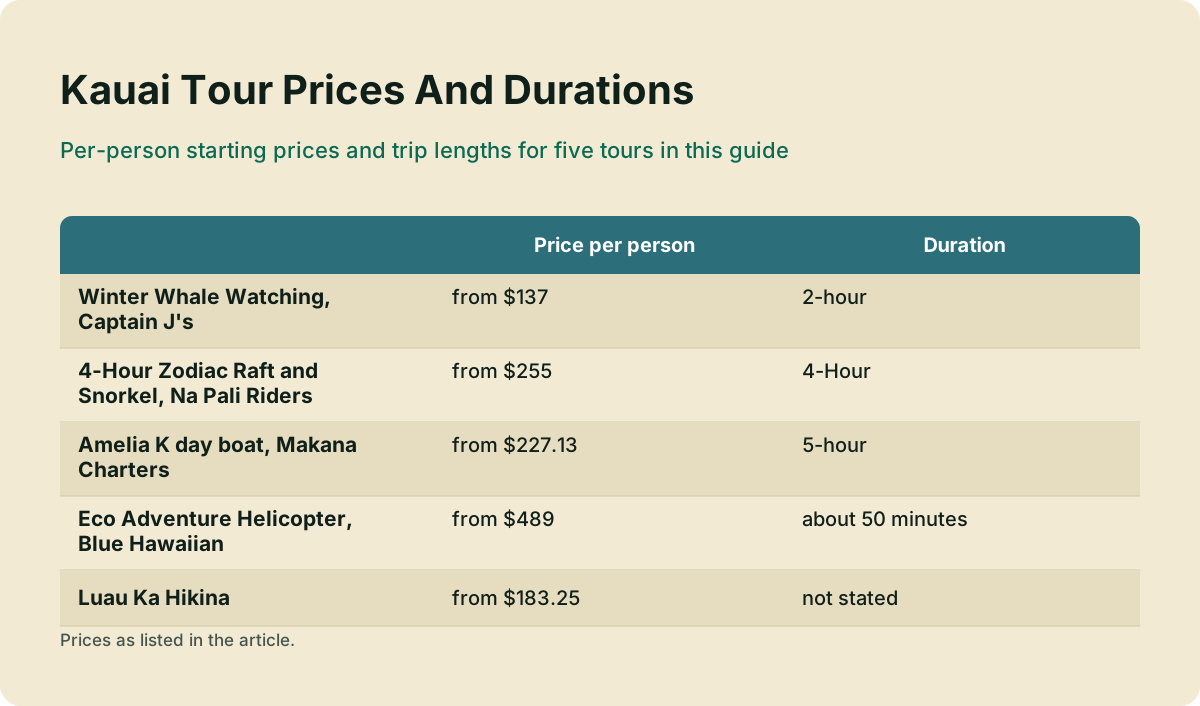
The whale migration overlaps that winter window, which is why January through March is a genuinely good time to visit even though the ocean is at its moodiest. A 2-hour whale watch from the south side, such as the Winter Whale Watching trip from Captain J's Kauai Offshore Adventures at from $137 per person, turns a rough-water season into a reason to be out on it.
Spring and fall are the compromise picks. Lihue's rain normals from NOAA's 1991 to 2020 records put March at 5.61 inches, the wettest month, against July's 1.75 inches, the driest. April and May sit in between and trend dry, and the summer crowds have not yet arrived. There is no month without trade-offs, but there is a best month for every kind of trip, which is what the rest of this guide sorts out.
How Does Kauai's Weather Change Month By Month?
Lihue's official NOAA rain normals show a clear pattern: March is the wettest month at 5.61 inches, July the driest at 1.75 inches, and the island averages 36.22 inches across the year at the airport station. Temperatures barely move, with mean highs from 78.6 to 85.3 degrees across the year. The real month-to-month change is rain, swell and whales, not warmth.
Kauai's temperature curve is famously flat. Mean daily highs at Lihue run from 78.6 degrees in January to 85.3 in September, and overnight lows never leave the sixties and seventies. Nobody needs a jacket for warmth. What changes sharply is water: how much falls from the sky, and how much swell arrives from the northwest. The table below folds the official Lihue numbers together with the seasonal patterns that matter for tours.

| Month | Lihue rain (in) | Mean high | What the month favours |
|---|---|---|---|
| January | 2.78 | 78.6 | Whales peak, big north swells, south-side boats |
| February | 3.63 | 78.1 | Whales, surf watching, sheltered-south tours |
| March | 5.61 | 78.5 | Wettest month, lush falls, whales tail off |
| April | 2.03 | 79.8 | Swells easing, shoulder-season pricing |
| May | 2.18 | 81.6 | Calm north shore begins, boats ramp up |
| June | 1.79 | 83.3 | Driest stretch, prime Na Pali season |
| July | 1.75 | 84.6 | Driest month, peak snorkel and raft trips |
| August | 2.33 | 85.2 | Hot, calm, busiest family weeks |
| September | 2.18 | 85.3 | Warmest seas, crowds thin after Labor Day |
| October | 3.27 | 83.9 | Swells return, shoulder deals begin |
| November | 4.03 | 81.2 | Whales arrive, north shore turns rough |
| December | 4.64 | 79.1 | Whales build, holiday pricing, wet side |
Two caveats keep this table honest. First, Lihue sits on the drier southeast side of the island; the north shore around Hanalei and Haena is considerably wetter in every month, and the summit country inland is wetter still. Second, rain on Kauai is usually a shower, not a day. A wet month still delivers most of its hours in sunshine, which is why rainy-day planning is about backup tours, not cancelled trips. For a deeper dive, the companion guide to Kauai weather month by month breaks the same data down further.
The month-by-month picture also decides your boat options more than most visitors expect. Zodiac rafts and small vessels feel the winter swell first and cancel most often, while larger catamarans from the west side run through more of the year. If your heart is set on a small-raft sea cave run, the calendar is not a detail, it is the whole decision.
Which Tours Work Best In Each Season?
Summer, May through September, favours Na Pali boat trips, snorkel tours, sea cave rafts and kayak adventures on calm water. Winter, October through April, favours whale watching, helicopter flights, luaus and south-side surf lessons, since big northwest swells cancel small-raft trips more often. Spring and fall split the difference and suit travelers who want both worlds.
The single most weather-dependent product on the island is the Na Pali boat tour, and the format you choose should match the season you arrive in. Small Zodiac rafts, like the 4-Hour Zodiac Raft and Snorkel from Na Pali Riders at from $255 per person with a 4.9 rating from 957 reviews, deliver the closest experience to the cliffs and the best odds of entering sea caves, but they are the first trips cancelled when the swell rises. Larger power catamarans, such as the Na Pali Experience Power Catamaran at from $274.93 per person, rated 5 from 819 reviews, ride winter chop better and run across more of the year.
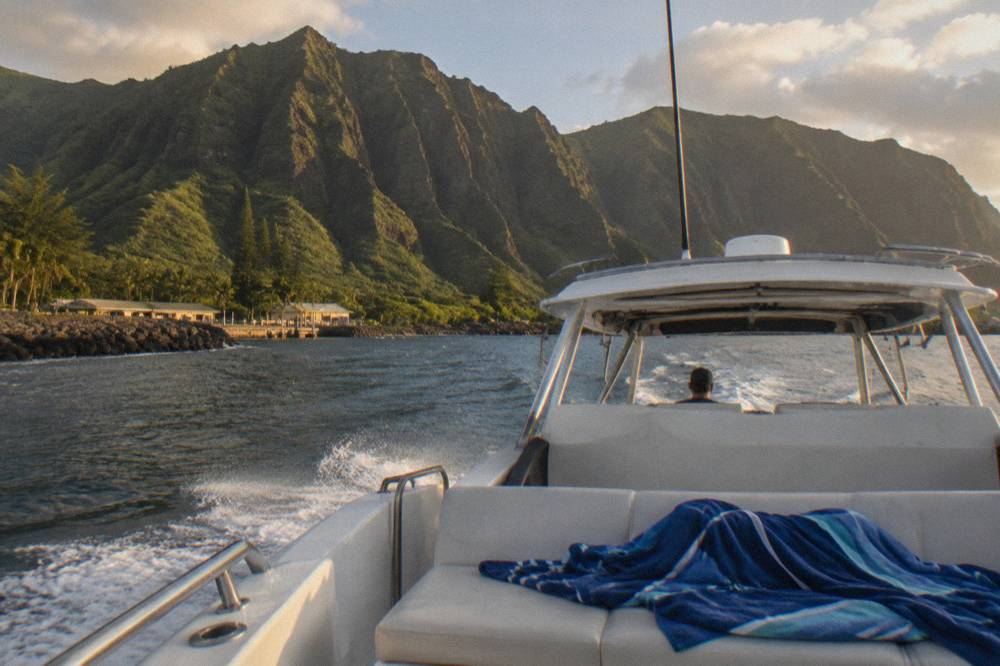
The Amelia K, a 5-hour day boat tour from Makana Charters, is the roster's most-reviewed Na Pali trip, rated 4.9 from 2,052 reviews and priced from $227.13 per person. Its small-boat format sits between the rafts and the big catamarans: intimate enough to slide close to the cliffs, stable enough to appeal to nervous stomachs. It is the trip this site points most first-time visitors toward, in any month from late spring through early fall. You can Check availability on the operator's live listing, and confirm the departure schedule for your dates.
Helicopter tours, by contrast, run all year and are the one premium format that barely notices the season. The Eco Adventure Helicopter from Blue Hawaiian, about 50 minutes and from $489 per person with a 4.8 rating from 2,065 reviews, sells the island's interior: Waimea Canyon, the Na Pali valleys and the wettest summit country, none of which a boat can reach. Morning flights usually get the clearest air, and weather cancellations come with reschedule options, so a helicopter slot is a strong anchor activity in any month, especially in winter when sea conditions complicate everything else. The full decision between rotors and fixed-wing is covered in Kauai airplane versus helicopter tours.
| Season | Best tour formats | Watch out for |
|---|---|---|
| Spring (Apr to May) | Helicopter flights, waterfall hikes, early-season boats | Wet trails in March, variable swell |
| Summer (Jun to Aug) | Na Pali rafts, snorkel cruises, sea caves, kayaks | Peak crowds and peak pricing |
| Fall (Sep to Oct) | Everything, with thinner crowds | Swell returns mid-October |
| Winter (Nov to Mar) | Whale watches, helicopters, luaus, south-side surf | Small-raft cancellations, north shore closures |
Land-based tours are the least seasonal of all. Luaus such as Luau Ka Hikina, from $183.25 per person with a 4.6 rating from 851 reviews, run on their own weekly schedules regardless of swell, and food, farm and chocolate tours move indoors when a shower passes. That makes them the natural bad-weather backups in a winter itinerary, and the natural evening bookends to a summer beach day.
When Can You See Whales On Kauai?
Humpback whales are visible in Hawaiian waters from November through April, per NOAA's Hawaiian Islands Humpback Whale National Marine Sanctuary, with the strongest sightings typically in January through March. No tour guarantees a sighting, but winter whale watch trips from Kauai's south side operate right through that window and price far below a full Na Pali day.
The migration is the winter calendar's anchor event. The sanctuary's own guidance is plain: from November through April, visitors can see whales from shore and at sea. Kauai sits at the northwestern edge of the main Hawaiian whale grounds, and the south and west sides of the island are where the tour boats work, since the leeward channels stay calmer when the north shore is closing out. A dedicated winter watch, such as the 2-hour Winter Whale Watching trip from Captain J's, from $137 per person and rated 4.7 from 355 reviews, is one of the cheapest ways on the island to get on the water with a purpose.
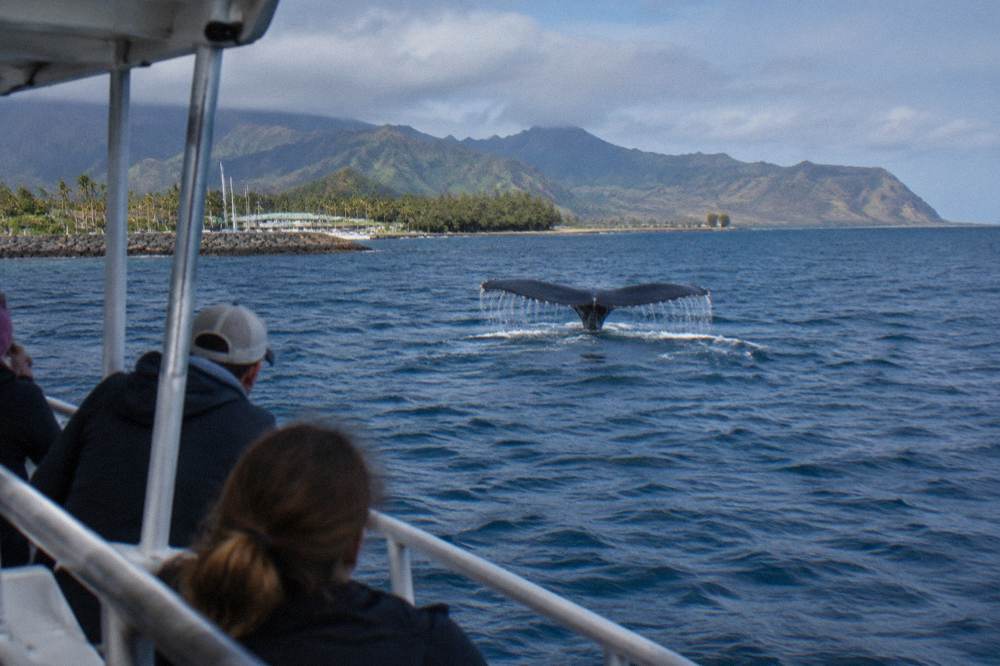
Two practical notes. First, a whale watch is a sighting lottery, not a guarantee; no Kauai listing sells a confirmed whale, and any that did would be lying. Second, winter whale trips double as coastal sightseeing runs, so even a quiet hour on the water returns cliffs, spinner dolphins when they are around, and a sunset on the way home. Travelers who want whales plus a full Na Pali experience can look at longer winter catamaran runs, which combine the coast with whale watching in one ticket; the trade-off is a bigger price and a bigger commitment of sea time. The seasonal details are expanded in the Kauai whale watching season guide and on the winter hub at /seasons/winter/.
What About Rain, Swells And Hurricane Season?
Hurricane season in the Central Pacific runs June 1 through November 30, and the north shore's big northwest swells run roughly October through April, with the calmest window May through September. Rain peaks in March at Lihue, but showers on Kauai are usually brief, and the bigger planning risk is swell-driven boat cancellations, not washed-out days.
The swell season is the fact that reshuffles the whole island. From October through April, large northwest swells make north shore beaches like Hanalei and Haena hazardous for swimming and push small-raft operators toward cancellation or rerouting. From May through September, that same shore often sits at one to three feet, which is why every sea cave and beach landing product concentrates in those months. Boats departing from Port Allen on the west side have the most reliable year-round odds, since they start in the island's lee.
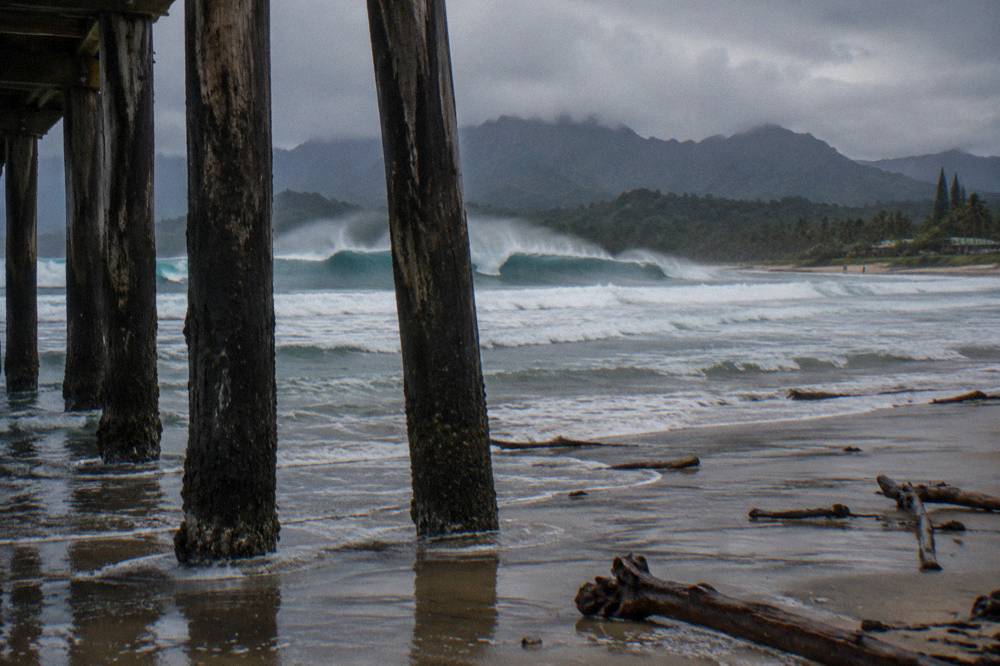
Hurricane season deserves respect but not panic. The official Central Pacific window is June 1 to November 30, and the practical takeaway is booking flexibility: choose tours with clear cancellation terms, keep a land-based backup for each ocean day, and watch the forecast rather than the calendar. Storms can also close state parks, trails and landings for extended stretches, and access can change between your booking and your arrival, so the standing advice on this site is to check the current DLNR status before you go and to confirm each operator's schedule. Bookings for future dates stay open even when this week's departures do not.
Rain, finally, is the least of the three worries. Kauai's showers are famously localized and short; the wettest month at Lihue still posts most of its daylight hours dry. What rain does affect is water clarity for snorkeling and hiking conditions on muddy trails, which is why the Kauai rainy day tours guide exists as the third leg of any shoulder-season plan.
Which Month Should You Actually Pick?
Pick May or June for the best all-round mix: calm seas, drying landscapes, thinner crowds and full boat schedules. Pick July or August if snorkeling is the priority and crowds do not bother you. Pick January or February for whales and waterfalls at their most dramatic, and September or October for the island at its warmest with the summer rush gone.
The month-by-month logic below is how this site would match a first trip to the calendar. It assumes the traveler wants one flagship day on the water, one big view from the air, and evenings that do not depend on weather.
| If you want | Best months | Why |
|---|---|---|
| Na Pali by small raft, sea caves | May to September | Calm north shore, fewest cancellations |
| Whales | January to March | Peak of the Nov-Apr migration |
| Waterfalls at full flow | March to April | Wettest months fill the streams |
| Lowest rain odds | June to July | 1.79 and 1.75 inches at Lihue |
| Fewer crowds, good weather | September to mid-October | Post-Labor Day lull, warm seas |
| Cheapest accommodation | Late April to early June | Shoulder pricing before summer |
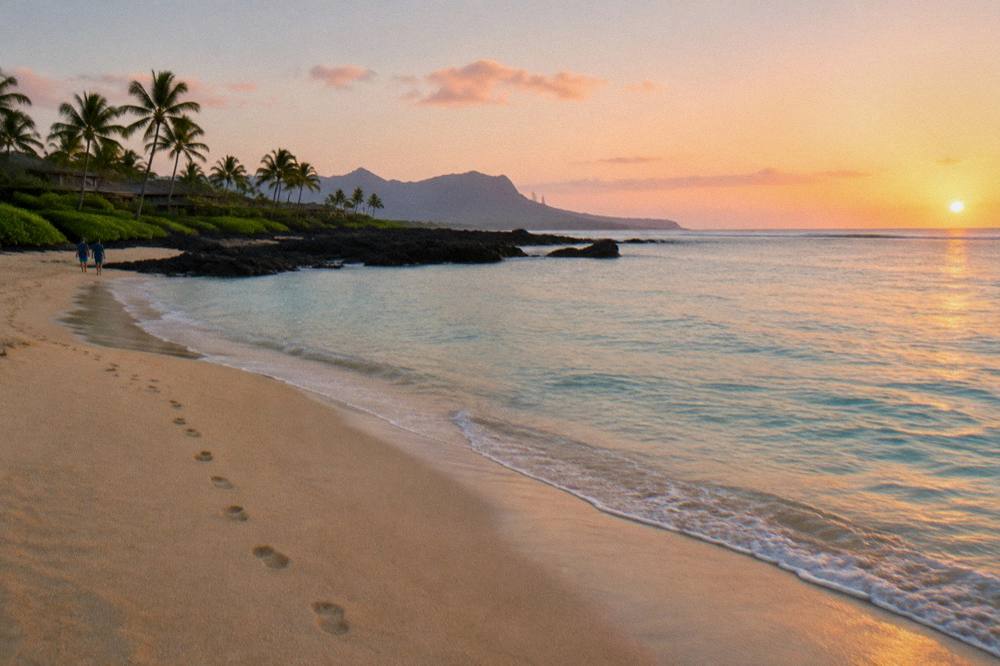
One booking note ties the whole calendar together. The best months are also the months that sell out first: summer Zodiac trips and the most-reviewed catamaran days, including the Amelia K, fill weeks ahead in June through August, while winter whale watches fill over holidays. The pattern on Tours In Kauai Hawaii is consistent: travelers who book the flagship water day before the flight and hotel save the dates they actually wanted. Free-cancellation terms on most listings make early booking low-risk, and every operator's live listing shows the real remaining inventory for your dates.
For travelers spreading a trip across seasons, the four seasonal hubs collect the details: spring at /seasons/spring/, summer at /seasons/summer/, fall at /seasons/fall/, and winter at /seasons/winter/. Pair this guide with the best time to visit Kauai's companion itineraries when the dates are set.
Common Questions About The Best Time To Visit Kauai
What Is The Best Month To Visit Kauai?
May and June offer the best overall mix: the north shore has calmed down for boat season, rainfall is trending down from the March peak, crowds are thinner than midsummer, and every tour format is running. July is the driest month at Lihue, 1.75 inches, if clear skies matter more than solitude.
What Is The Rainiest Month On Kauai?
March, with 5.61 inches of rain at the Lihue airport station in the official NOAA 1991 to 2020 normals. The north shore is wetter than Lihue in every month. Kauai rain usually arrives in brief showers rather than full washed-out days, so a wet month rarely ruins a trip.
When Is Whale Season On Kauai?
Humpback whales are present in Hawaiian waters from November through April, per NOAA's Hawaiian Islands Humpback Whale National Marine Sanctuary, with sightings typically strongest January through March. No tour guarantees a sighting, but dedicated winter whale watch trips run through the whole window.
Is Winter A Bad Time To Visit Kauai?
No, but it is a different trip. Northwest swells from October through April cancel small-raft tours more often and make north shore swimming hazardous, yet whale watching is at its peak, waterfalls are dramatic, and helicopters, luaus and south-side tours run normally.
When Is Kauai's Hurricane Season?
The Central Pacific hurricane season runs June 1 through November 30. The practical response is flexible bookings and clear cancellation terms, plus checking the current DLNR park status and each operator's schedule before your dates, since storms can close parks and pause departures.
When Should I Book Kauai Tours?
Book the flagship water day first, months ahead for June through August, since the most-reviewed Na Pali trips sell out in peak summer weeks. Most listings carry free-cancellation terms, so early booking carries little risk; confirm the operator's current schedule once your dates are fixed.