Can You Kayak The Wailua River Without A Tour?
Yes, you can rent a kayak and paddle the Wailua River on your own, but DLNR rules shape when and how. Here is what independent paddling really involves.
Can You Kayak The Wailua River Without A Tour?
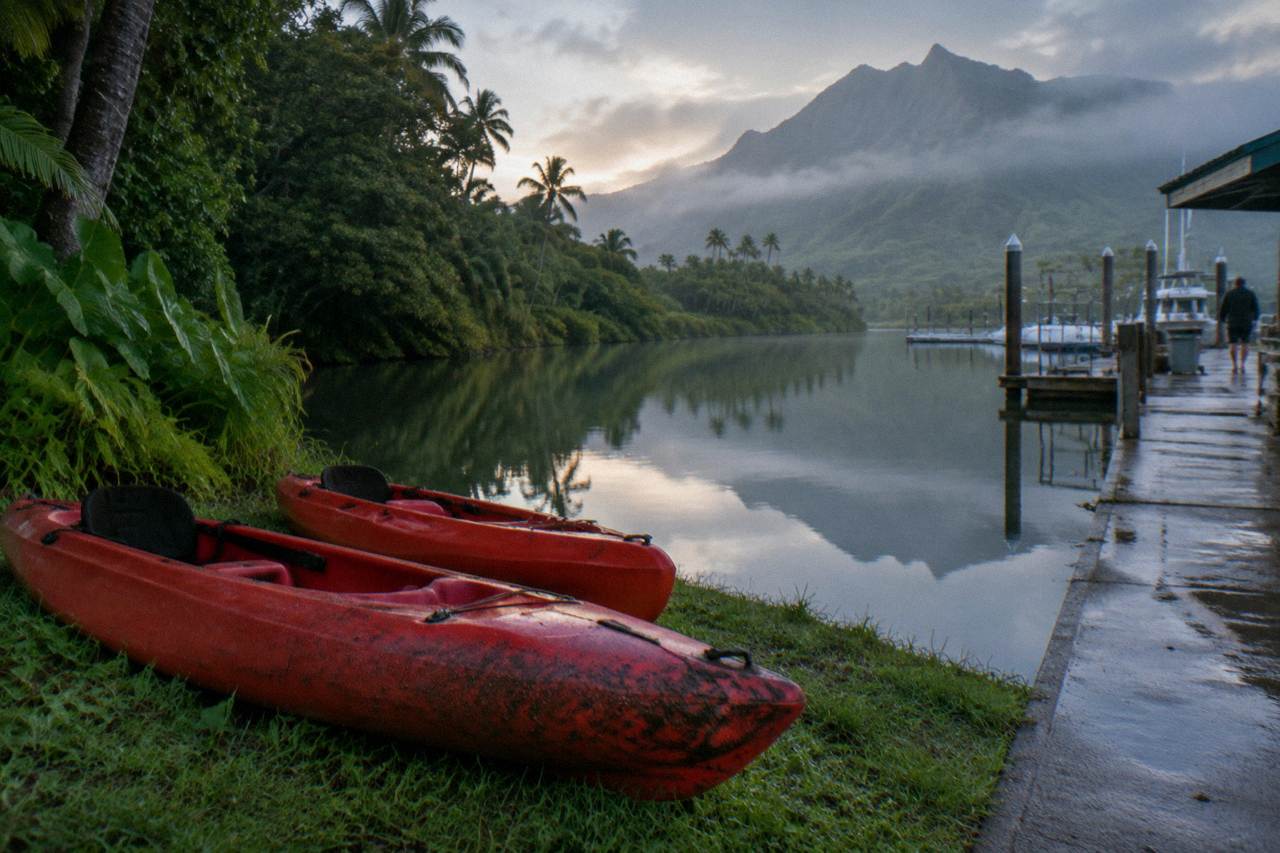
Yes, you can kayak the Wailua River without a tour. Independent rentals are a recognized, permitted use of the river under state rules, and paddling the flat lower reaches on your own is one of the cheapest activities on Kauai. But it is not a free-for-all: commercial rentals may only operate Monday through Friday, a state park entry and parking fee applies to non-residents when the park is open, and where you may land is restricted. If the grotto upstream is your goal, what changed at the Fern Grotto explains why independent paddlers can no longer step ashore at the landing itself.
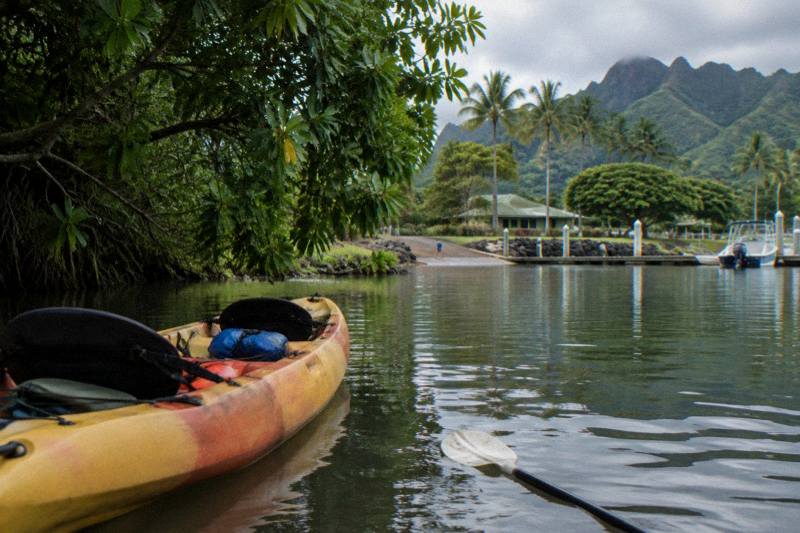
The Wailua is the only major navigable river on Kauai, and its lower stretch is genuinely beginner friendly: flat water, a slow current, and jungle walls on both sides (see Beginner Surf Lessons). A rental from one of the outfits near the Wailua Marina area puts you on the water in minutes, and you can paddle upriver toward the Fern Grotto landing or simply explore the wide lower river and its side channels. Plenty of visitors do exactly this and love it.
The catch is that the river sits inside Wailua River State Park, and the state has tightened how it is used. The DLNR rental vessel permit conditions restrict commercial rentals to Monday through Friday during park hours, and guided tours require their own separate special use permit. In practice that means a Saturday or Sunday visit may limit your rental options, and it is one reason guided trips book up on the days rentals cannot run. Before you plan, check the current DLNR park status for the river, since conditions and access rules can change.
If you want the full classic experience, paddling to a landing and hiking inland, a guided trip earns its price. The three most booked options on this site cover the same river with different formats:
The choice between a rental and a guided tour usually comes down to three questions: do you want to hike inland, are you comfortable finding the route yourself, and which day of the week are you on island. The rest of this article works through each of those in the order you will meet them.
What Do The DLNR Rental Rules Actually Say?
The rules cover three things: who may rent to you, when, and where guided activity is allowed. Commercial rentals accessing Wailua River State Park are limited to Monday through Friday during park hours, rental vessels must be registered with the state at $75 per vessel per year, and no guided tours are allowed unless the operator holds a separate DLNR special use permit. Rentals also stop during a flash flood watch.
Those conditions come straight from the permit terms the state attaches to rental operators, and they matter to you as a renter in a couple of concrete ways. First, the Monday to Friday window means weekend paddling may mean bringing your own vessel or going with a permitted tour operator rather than a rental counter. Second, the flash flood watch clause is a safety rule, not paperwork: the Wailua drains a very wet interior, and the river can rise fast. Operators cancel or hold rentals when a watch is posted, and an independent paddler should hold themselves to the same standard.
The fee side is straightforward when the park is open. Per the DLNR Wailua River State Park page, non-residents pay a $5 per person entry fee (credit card only) and $10 per non-commercial vehicle, a requirement introduced in February 2026. If you rent a kayak and drive to a launch inside the park, budget for those fees the same as any park visitor. Hawaii residents with ID enter free.
One more rule deserves its own sentence because it surprises people: state park rules at the Fern Grotto landing restrict individual kayakers from accessing the Fern Grotto itself, with the landing serving the permitted riverboat operation. Treat that as a rule to confirm on the current DLNR notices page before you go rather than a permanent fact of the river, but plan your paddle assuming the grotto itself is not part of a DIY itinerary. The natural target for independent paddlers is the river itself.
Where Do You Launch And How Far Is The Paddle?
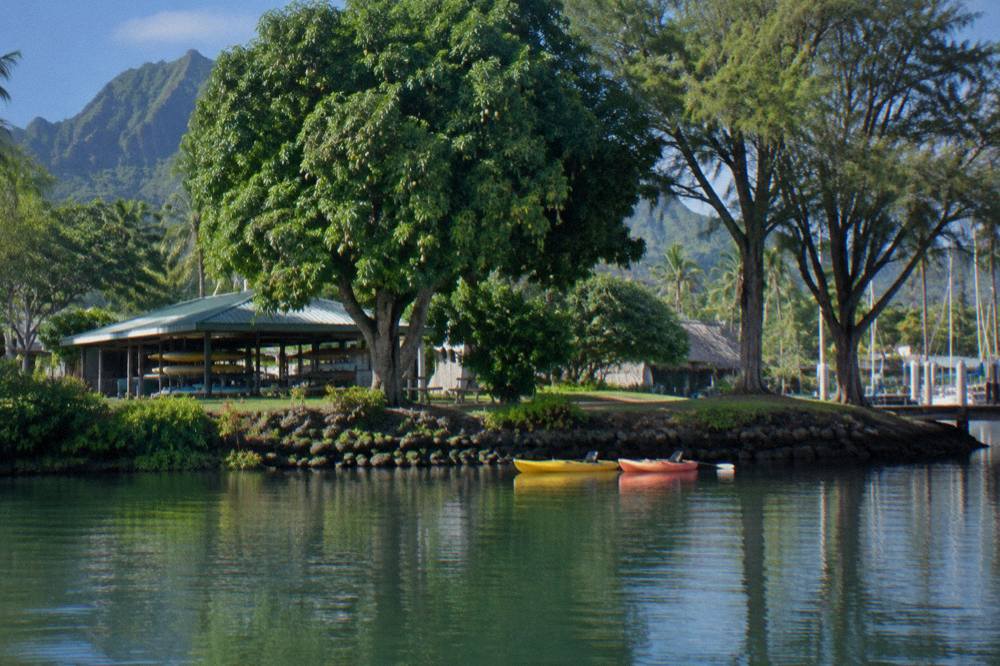
Most independent paddlers launch from the Wailua Marina area on the river's south bank near the mouth, where rental outfits cluster, and paddle upriver against a gentle current. The lower river is wide, sheltered and flat, and a round trip to the Fern Grotto landing area and back is a few miles of easy paddling that takes most casual pairs two to three hours with stops.
The paddle is the payoff. Unlike Kauai's ocean trips, there are no swells, no surf launch and no seasickness; the water is glassy in the morning, and the walls of coconut palm, hau thicket and mountain ridge give the whole stretch a tunnel-of-green feel. Early morning is the calmest and coolest window, and the light for photographs is best before midday. Wind can pick up in the afternoon and push back against downriver paddlers heading home, which is the main reason locals recommend starting early.
Navigation is simple in the lower reaches: the main channel is obvious, and side channels dead-end or go quiet. Upstream near the grotto landing the river narrows and the current stiffens slightly, but it never becomes anything a first-timer cannot handle with steady strokes. There are no rapids on the section rentals use. The main hazards are sun exposure, dehydration, and the temptation to overextend on a hot day, not the water itself.
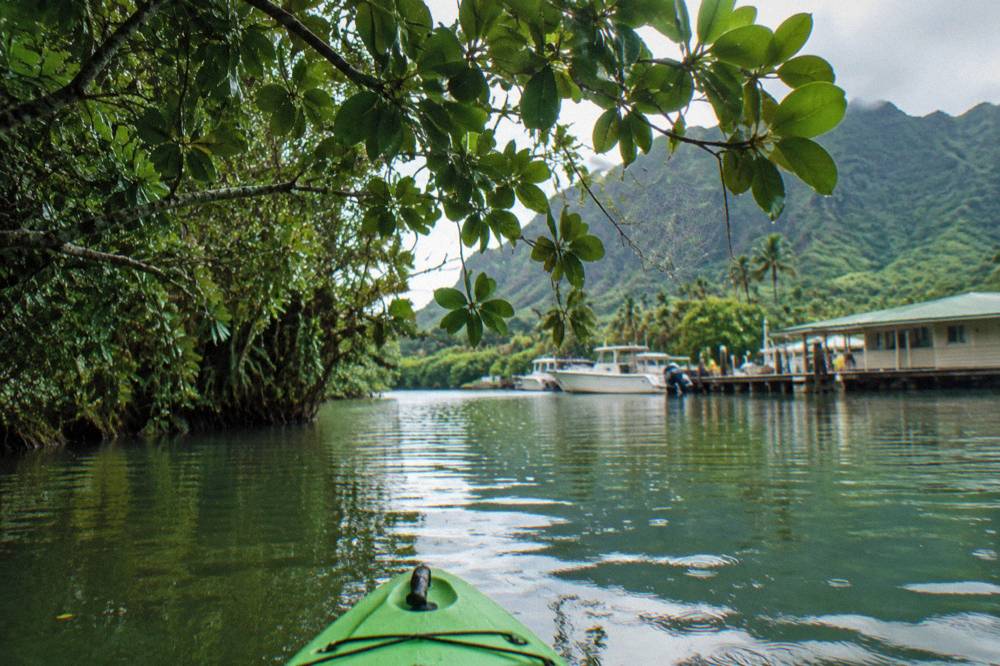
Parking and launch logistics are where a guided tour quietly saves effort. Rental customers handle their own transport to the launch, their own fees, and their own boat loading, while a tour operator stages boats, gear and guides at the put-in. Neither is difficult; one is simply more work. If you are pairing the paddle with other east side plans for the day, the self-guided version slots into a flexible schedule better than a fixed tour departure.
Can You Kayak To Secret Falls Without A Guide?
Not reliably, and this is the single biggest reason travelers book a tour. The trail to Uluwehi Falls, better known as Secret Falls, starts from an upriver landing inside the state park, and access rules for that landing and the trail beyond the trailhead have been tightened by DLNR, with hiking beyond the trailhead restricted under current notices. Check the live DLNR status before planning any hike.
The pattern of the classic guided day is: paddle roughly two miles upriver, land at a designated spot, hike a muddy 20 to 40 minutes through the forest, and swim at the base of the falls. When access is open, that landing is where permitted commercial tours tie up. Independent kayakers face two problems. First, the landing itself has been the subject of access restrictions tied to park management. Second, the trail is genuinely easy to lose if you have never walked it: it forks, crosses mud, and only locals and guides know the line.
When hiking beyond the trailhead is not permitted, some operators run paddle-only versions of their tours, and a rental mirrors that reality: you get a beautiful river paddle and no waterfall. That is still a good morning. But if the waterfall swim is the reason you are renting a kayak, confirm the current access situation with DLNR's important park notices and with any operator you are considering, because a rental company cannot hand you a trail that is closed.
Guided tours exist precisely for this stretch. The Secret Falls Kayak and Hike run by Alii Kayaks, from $135 per person and rated 4.8 from 1,660 reviews, is built around the landing and the trail, and its guides adjust when conditions or rules change. It is one of the most reviewed activities on the island for a reason: the combination of paddle and waterfall is the east side's signature day out.
For more on the route and what the hike itself involves, see the site's companion guide to the Wailua River and Secret Falls kayak trip. If you are weighing other rivers, the site also answers which river is best to kayak on Kauai.
How Much Does A Rental Cost Compared To A Guided Tour?
A self-guided rental is the budget option, but the gap narrows once you add park fees and consider what a tour includes. Guided Wailua kayak trips on this site run from $135 to $164.87 per person, while a rental plus the $5 entry and $10 parking fees lands lower per person, especially for a group sharing a double kayak. The real difference is what comes bundled: guide, gear staging, and the hike.
Here is how the three guided options on this site stack up against a do-it-yourself day:
| Option | Format | Duration | Price (from) | Rating |
|---|---|---|---|---|
| Rental kayak, self-guided | Paddle only, lower river | Your own schedule | Rental fee plus $5 entry and $10 parking per vehicle when the park is open | Not applicable |
| Secret Falls Kayak and Hike (Alii Kayaks) | Guided paddle plus waterfall hike | ~4 hours 30 minutes | $135 per person | 4.8 from 1,660 reviews |
| Dukes Kayak to Secret Falls | Guided paddle plus hike | ~5 hours | $150 per person | 4.8 from 1,488 reviews |
| Wailua River Kayak and Hike (Rainbow Kayak Tours) | Expert-guided paddle plus hike | ~5 to 6 hours | $164.87 per person | 4.8 from 846 reviews |
Read that table as a decision matrix rather than a ranking. All three guided trips cover the same river and, when access allows, the same waterfall, and all three carry a 4.8 rating with review pools large enough to trust. The Alii Kayaks trip is the shortest and cheapest. The Rainbow Kayak Tours version is the longest and most instructional, which suits nervous paddlers. Duke's sits in the middle with the largest mid-length review pool after Alii. Everything else covered here is indexed on Tours In Kauai Hawaii.
The rental column deserves honesty: rental prices are set by the individual outfitters and are not published on this site, so check the rental counter directly. What is certain is the fee structure around the rental, and that a rental never includes the hike, the guide, or dry bags staged for you. For a couple who just wants a peaceful morning paddle, that is a fine trade. For a traveler whose heart is set on the waterfall, it is usually the wrong trade.
Is The Wailua River Safe For Beginner Paddlers?
Yes, the lower Wailua is one of the safest paddling environments in Hawaii: flat water, no surf launch, minimal current and no motorized traffic beyond the riverboat. The genuine risks are weather driven: flash floods after heavy rain in the interior, strong afternoon trade winds, and sun exposure. The state's own rules acknowledge this by suspending rentals during a flash flood watch.
Flash flooding deserves respect because the Wailua's headwaters sit under one of the wettest zones on the island. Rain can fall miles upslope under clouds you cannot see from the launch and arrive as a rising, debris-carrying river an hour later. The practical discipline is simple: check the forecast for the interior as well as the coast, never paddle during or right after a flood watch, and if the water turns brown and starts moving branches, get off it. Operators apply exactly this standard.
Wind is the everyday nuisance. The trade winds blow up the river most afternoons, and a headwind on the return leg tires out unpracticed paddlers fast. Starting in the morning solves it. Sun is the other quiet one: the river offers little shade mid-channel, the tropical sun is intense even under cloud, and reapply-able sunscreen, a hat and a full water bottle belong in the boat, not the car.
For a first-timer who wants hand-holding, the Rainbow Kayak Tours trip above spends five to six hours on exactly this kind of coaching. For a confident paddler, the rental route is entirely reasonable, and many locals paddle this river weekly their whole lives. Your honest self-assessment is the guidebook here.
What Gear And Planning Does An Independent Paddle Need?
Plan like a day hike on water: dry bag, water, sunscreen, hat, water shoes, and a phone in a waterproof case, plus the park fees paid by card and a launch window in the morning. You supply everything a guide would otherwise hand you, which is the hidden work of going independent, and it is also why the rental experience rewards preparation more than the tour does.
Footwear matters more than people expect. The banks and any landing are soft mud and rounded stones, and flip flops fail here; strap sandals or old sneakers work. A dry bag or at least a sealed plastic tub keeps towels and phones alive, because even stable sit-on-top kayaks collect a few inches of water from paddle drip. Bring more water than feels necessary: two hours of paddling in tropical sun dehydrates people faster than they notice.
Timing shapes the whole day. Mornings are calmer, cooler and less crowded on the water and at the rental counters; by early afternoon the wind fills the channel and the experience sours for beginners. A weekday morning also sidesteps the weekend rental restriction entirely, aligning your plan with the state's Monday to Friday commercial rental window rather than fighting it.
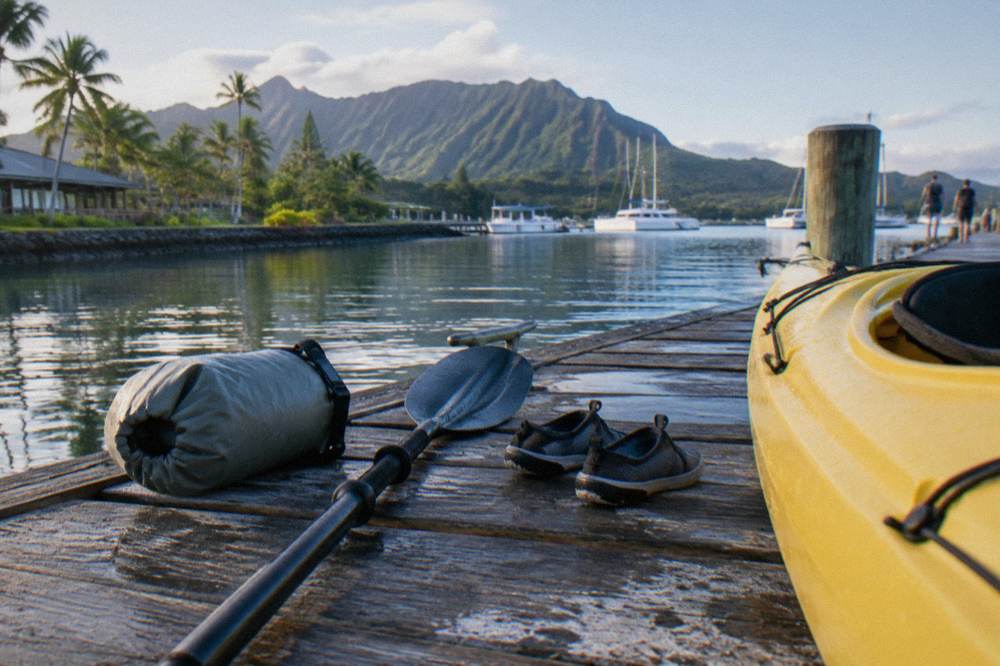
One planning note on the wider island picture: river conditions and access rules on Kauai can shift after major weather events, and the state's notices page is the source of truth for the Wailua as much as for the trailheads and lookouts. This is the same reason Tours In Kauai Hawaii treats access facts as things you confirm close to your date rather than things you assume from an article. Build one "check the DLNR notices" step into your planning and everything downstream gets easier.
Which Day And Season Work Best For A Wailua Paddle?
Summer months, roughly May through September, are the most reliable window on the east side: drier, less windy and warmer, with the river at its calmest. The Monday to Friday rental rule makes a weekday morning the ideal slot, and spring through fall gives you the most days that match it. Winter paddling is possible but wetter, with higher water and more frequent flood watches.
The climate record for Lihue, the nearest long-term station, shows the pattern plainly: July averages about 1.75 inches of rain while March, the wettest month, averages 5.61 inches, and the annual total runs about 36 inches at the airport itself. The Wailua basin catches more rain than Lihue does, so treat those numbers as the floor. What they tell you is directionally correct: the dry-season window is real, and the wet-season river demands more caution and flexibility.
For travelers tied to winter dates, the river is still very often paddleable, and winter brings a bonus the summer does not: humpback whales are in Hawaiian waters from November through April, and while the Wailua is not a whale watching venue, ocean-facing activities island-wide benefit. If your December or January trip includes a river morning, simply keep the forecast check habit and hold your plans loosely.
| Factor | Best Case | What To Watch |
|---|---|---|
| Month | May to September for calm, dry conditions | March is the wettest month on average at Lihue |
| Day | Monday to Friday, matching the commercial rental window | Weekend rental availability is restricted by permit rules |
| Time of day | Early morning launch | Afternoon trade winds push against the return leg |
| Weather check | No flash flood watch posted | Brown, fast water after interior rain means stay off |
That table is the whole planning argument in four rows. If your trip lets you pick, a weekday morning in summer is as close to a guarantee as this river offers.
Should You Rent Or Book A Guided Wailua Trip?
Rent if you want a cheap, flexible, paddle-only morning and you are comfortable managing your own gear, fees and route. Book a guided trip if the waterfall hike is the point, if you want coaching or fixed logistics, or if your dates fall on a weekend when commercial rentals cannot operate. The river rewards both approaches, but only one of them comes with the trail.
Here is a fair summary of the trade. The rental gives you independence, a lower cost and the simple pleasure of a flat-water paddle through jungle at your own pace. The tour gives you the falls when access allows, a guide who reads water and weather, gear staged and carried, and a schedule that has already absorbed the state's rules. Reviews for the guided options consistently cite the guides' knowledge as the value, and the large review pools behind those 4.8 ratings suggest the model works for most visitors.
Duke's Kayak Adventures runs the middle option of the three, from $150 per person, rated 4.8 from 1,488 reviews, over roughly five hours. It suits travelers who want the full Secret Falls experience with a slightly longer, more relaxed pacing than the shortest version.
Whichever you choose, book the river day early in your trip, not at the end. If weather cancels you, an early-week booking leaves room to reschedule, and both rentals and tours on this island work on that logic. Flexible planning is the difference between a washed-out day and a story.
The three guided trips side by side, one more time, for the decision moment:
Common Questions About Kayaking The Wailua River Without A Tour
Can You Kayak The Wailua River Without A Tour?
Yes. Independent kayaking is allowed, but commercial rentals operate under state permit conditions that limit them to Monday through Friday during park hours, and non-residents pay entry and parking fees when the park is open. Where you may land and whether any hiking is possible depends on current DLNR rules, so check the notices page before your paddle.
Can You Rent A Kayak On The Weekend?
Usually not from a commercial rental outfit. The DLNR rental vessel permit conditions restrict commercial rentals accessing Wailua River State Park to Monday through Friday. Weekend paddling generally means a permitted guided tour operator or your own vessel.
Can Individual Kayakers Visit Fern Grotto?
State park rules restrict individual kayakers from accessing the Fern Grotto, with the landing serving the permitted riverboat operation. Treat the landing as off-limits for a DIY grotto visit and confirm the current rule on the DLNR notices page before you go.
How Long Does The Wailua River Paddle Take?
A casual round trip on the lower river to the grotto landing area and back takes most pairs two to three hours with stops. Guided trips that add the waterfall hike run roughly 4 hours 30 minutes to 6 hours door to door.
Is The Wailua River Good For First-Time Kayakers?
Yes, the lower river is flat, sheltered and free of surf and rapids, making it one of the most beginner friendly paddles in Hawaii. The main risks are weather driven: flash floods after interior rain, afternoon trade winds and sun exposure. Rentals are suspended during flash flood watches, and independent paddlers should follow the same rule.
What Fees Apply To An Independent Paddle?
When the park is open, non-residents pay a $5 per person entry fee, credit card only, plus $10 per non-commercial vehicle, per the DLNR park page. The rental fee itself is set by each outfitter, so check the counter directly. Hawaii residents with ID enter free.